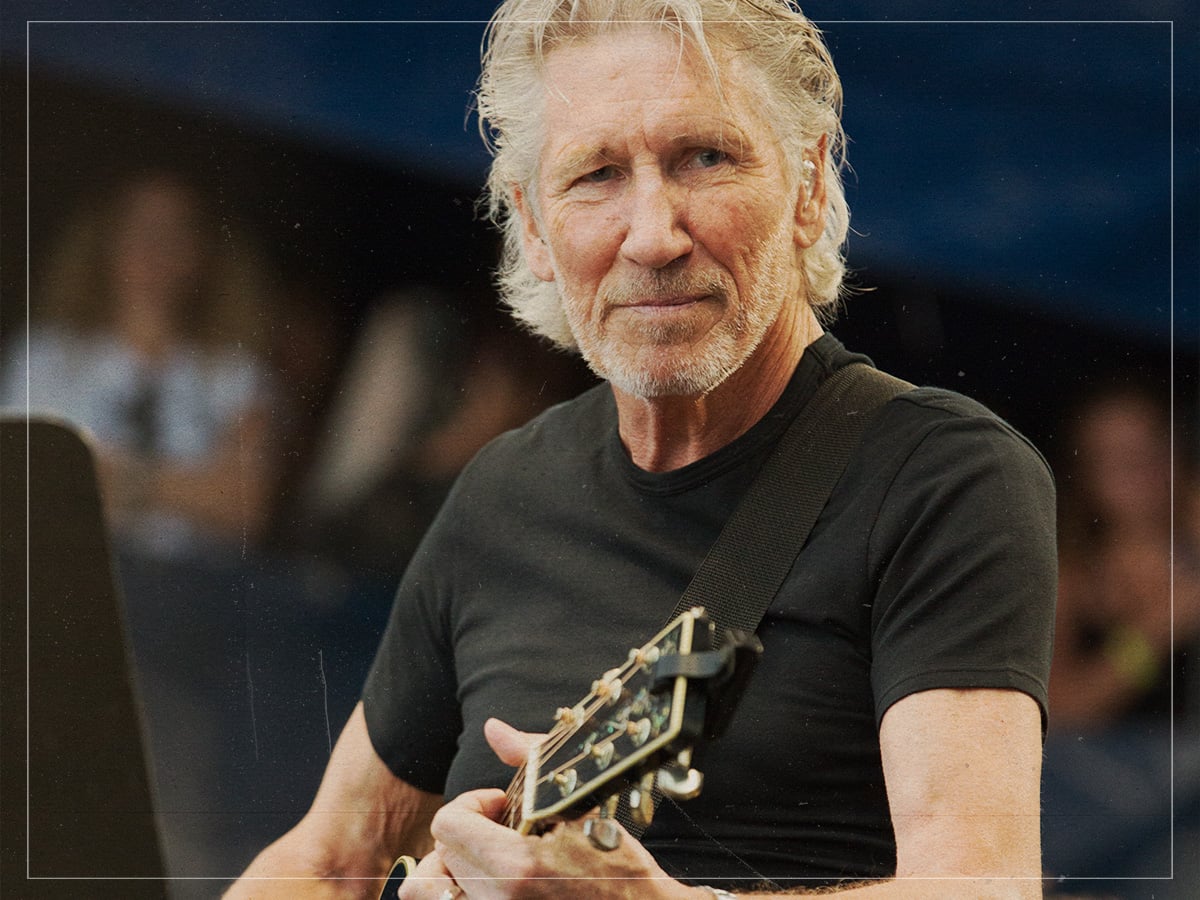
Credit: Far Out / digboston
When Roger Waters initially had the idea to front Pink Floyd, he wasn’t exactly cut out to be a songwriter quite yet.
The whole idea of being able to make tunes that resonated half as well as Syd Barrett’s did was never going to work, and it took a while before Waters was even comfortable writing for the group before he stumbled on what the band were supposed to be doing on a record like ‘Echoes’. He wanted to make people see the more personal side of what rock and roll could do, but that wouldn’t have happened if not for bands like The Beatles coming before them.
Because if you were to take any five bands from England at the time and ask them why they wanted to play music, four of them would have probably said that they were influenced by the Fab Four, and the other one would be lying. The Beatles were the ones that opened people’s eyes about what rock and roll could be like for a young British kid, and when Waters first heard an album like Sgt Pepper, he felt like he was listening to what the future of music could be if they didn’t worry about what people wanted to hear.
The Fab Four didn’t need to be absolutely perfect on record to have a bit more charm to their music, and a lot of their best songs were about pushing the envelope like any good prog-rock band. But instead of taking the model of King Crimson and turning their songs into exercises, Waters felt that it was better to pull from what John Lennon and Paul McCartney were doing whenever they sculpted the massive tapestry of sound on Abbey Road or the brilliant mess on The White Album.
When you look at all of them in a row, though, it’s not hard to see why Waters would have eventually gone for what Lennon was doing. Having met him in Abbey Road Studios while working on Floyd’s first album, Waters was already disappointed meeting Lennon, but he couldn’t deny that the man wrote songs that fell more in line with what he had in mind for Floyd later.
Lennon was quoting his own heart half the time he played, and Waters wanted the opportunity to do the exact same thing, saying, “We’ll never know who did what in The Beatles as we weren’t there. I confess I always felt an affinity with John Lennon in his troubled search for the meaning of life and love and truth. We all have our favourite Beatle, but whatever they did they did together.” And that last statement is really what made the band one of a kind when they made their masterpieces.
McCartney always likened the band to four corners of a square because of how essential they all were, and since all of them brought something to the table, they would have never sounded the same with anyone else. George Harrison did have a lot more inventive songs than the average songwriter, but that was only because he knew where he wanted to go in a way that didn’t have to cater to what Lennon and McCartney thought could be a hit.
When looking at where Lennon went after The Beatles, though, you can see a clear line between his musical journey and what Waters would eventually start doing. Lennon was crying out in pain on a lot of his records, and while The Wall still gets a lot of praise for being one of the most sprawling concept albums ever made, a lot of that wouldn’t have been able to happen without listening to a record like Plastic Ono Band first.
What Lennon was doing was taking the fabric of pop songs and tweaking it ever so slightly on every one of his tunes, and while people might not have understood it at the time, Waters knew that understanding every line wasn’t the point. It was about hearing one person’s honest view of the world, and that was all that Waters could have asked for from someone on the same creative wavelength as he was.
ADD AS A PREFERRED SOURCE ON GOOGLE  The Far Out Beatles Newsletter
All the latest stories about The Beatles from the independent voice of culture.
Straight to your inbox.