More Ryzen and Radeon options please (and FSR8 INT8)
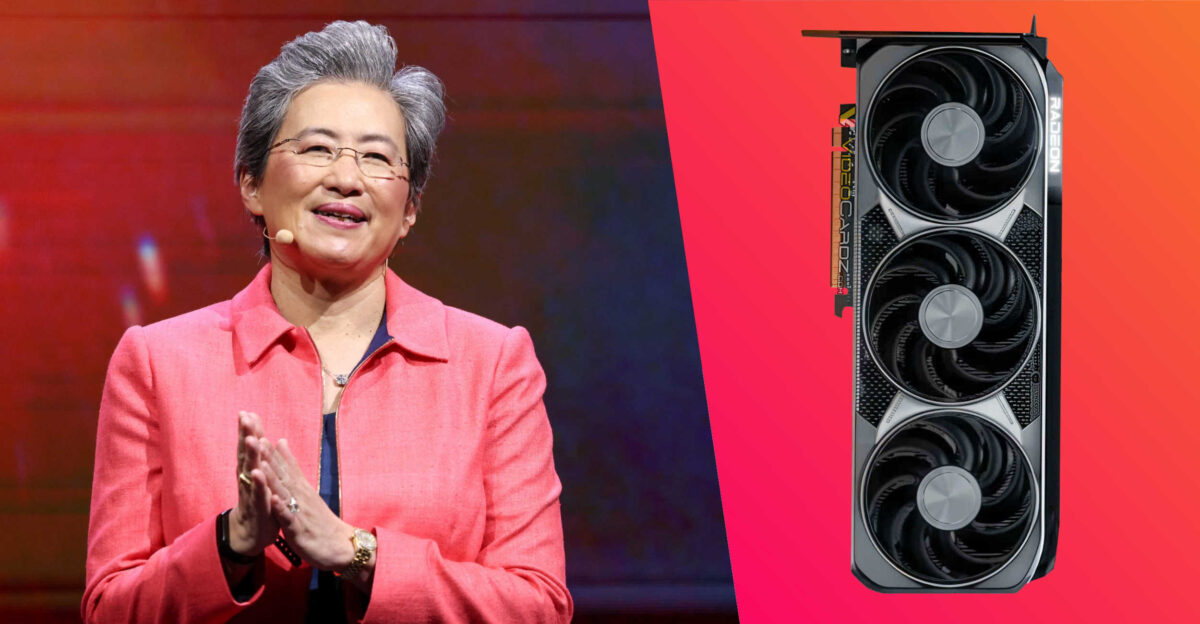
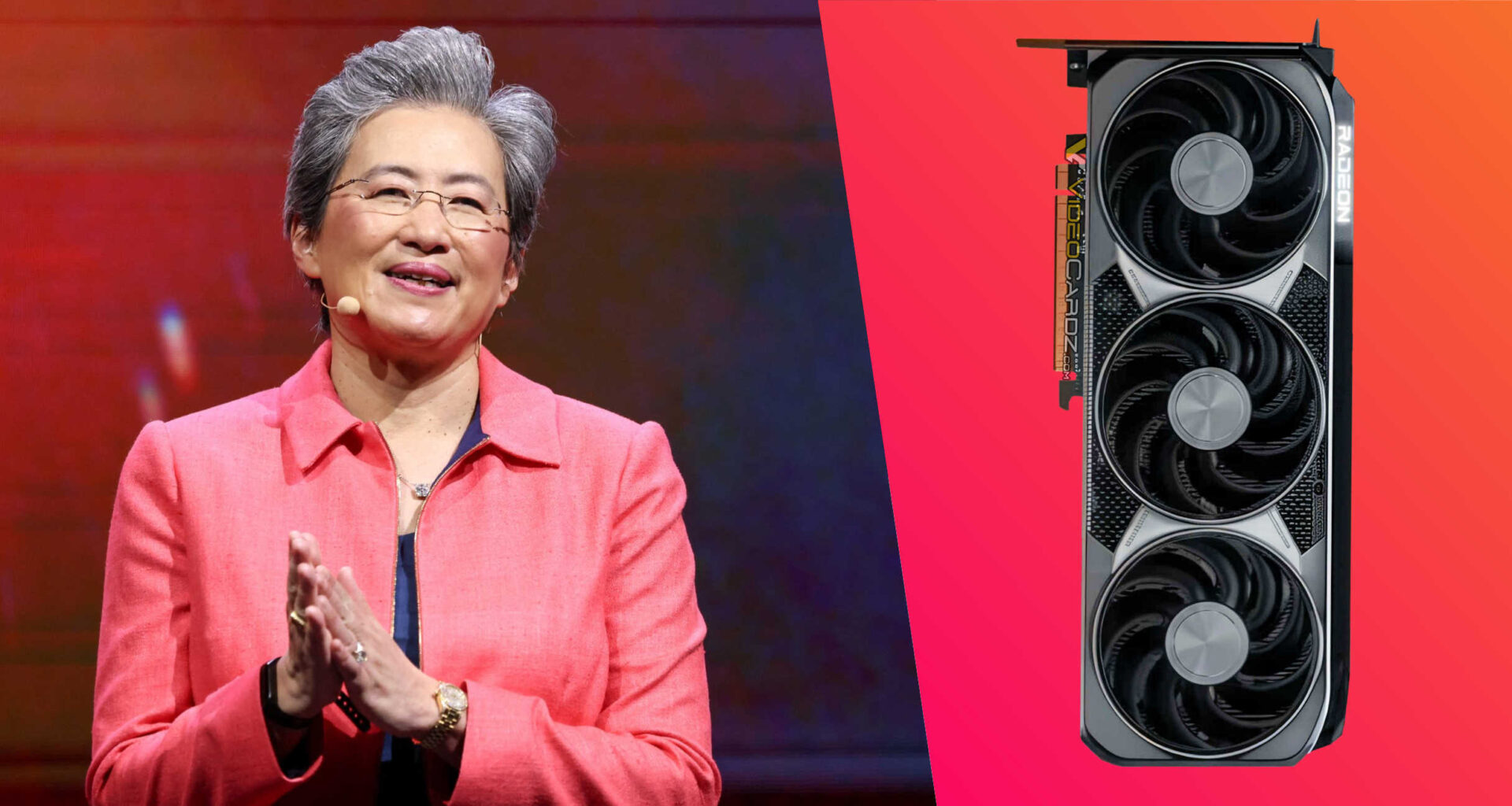
AMD says higher memory and component costs will pressure PC and gaming demand in the second half of 2026. The company reported strong Q1 results, with Client and Gaming revenue up 23% year over year to $3.6 billion. However, AMD now expects gaming revenue in the second half to decline by more than 20% compared with the first half.
Looking ahead, we expect demand for our Ryzen CPUs to remain solid in the second quarter. However, we are planning for second-half PC shipments to be lower due to higher memory and component costs. Against this backdrop, we still expect our client revenue to grow year over year and outperform the market, driven by the strength of our Ryzen portfolio and expanding commercial adoption.
Similar to the PC market, we believe that second-half demand in gaming will be impacted by higher memory and component costs, and we are planning the business accordingly.
— CEO Dr. Lisa Su, AMD
AMD gaming products in 2026
AI demand has pushed memory pricing higher across the industry. Still, AMD has also given gamers fewer reasons to upgrade this year. If we go through the consumer-focused products launched this year, the Ryzen 400G series is focused on OEM systems, and the chips are not full Strix Point desktop APUs. They are based on Kraken-class silicon with lower performance targets.
AMD also launched Ryzen 9850X3D and 9950X3D2 SKUs, but due to their higher price and minimal performance improvement over 9800X3D/9950X3D they were not among reviewers’ favorite recommendations.


AMD could bank big with Strix Halo and Ryzen Z2 Series, but the Halo series is now exclusively promoted for AI, while Ryzen Z2 chips are now in the premium category. The cheapest Strix Point based handheld now cost $999, while the architecture is already 1.5 years old.
This brings us to Radeon, which has been (awfully) quiet as well. AMD has not launched a new gaming GPU generation this year, and the driver cadence has also slowed. The latest Adrenalin 26.5.1 driver arrived on May 6, while the previous major public release was 26.3.1 from March 20. That left Radeon users waiting around a month and a half between updates.

Gamers are waiting for two things: Radeon RX 9000 prices to return to AMD’s promised MSRPs, or FSR 4 support for Radeon RX 7000 and RX 6000 series GPUs. Either would help ease frustration, but AMD has delivered neither.
Source: AMD Investors Call, NotebookCheck