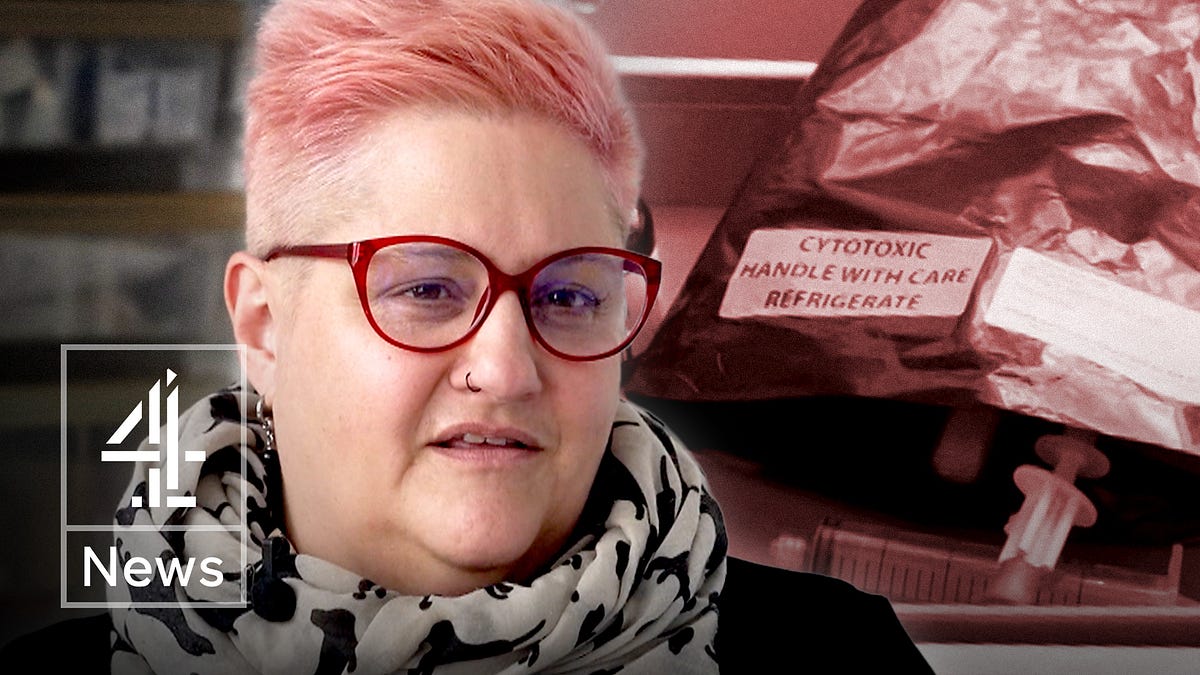
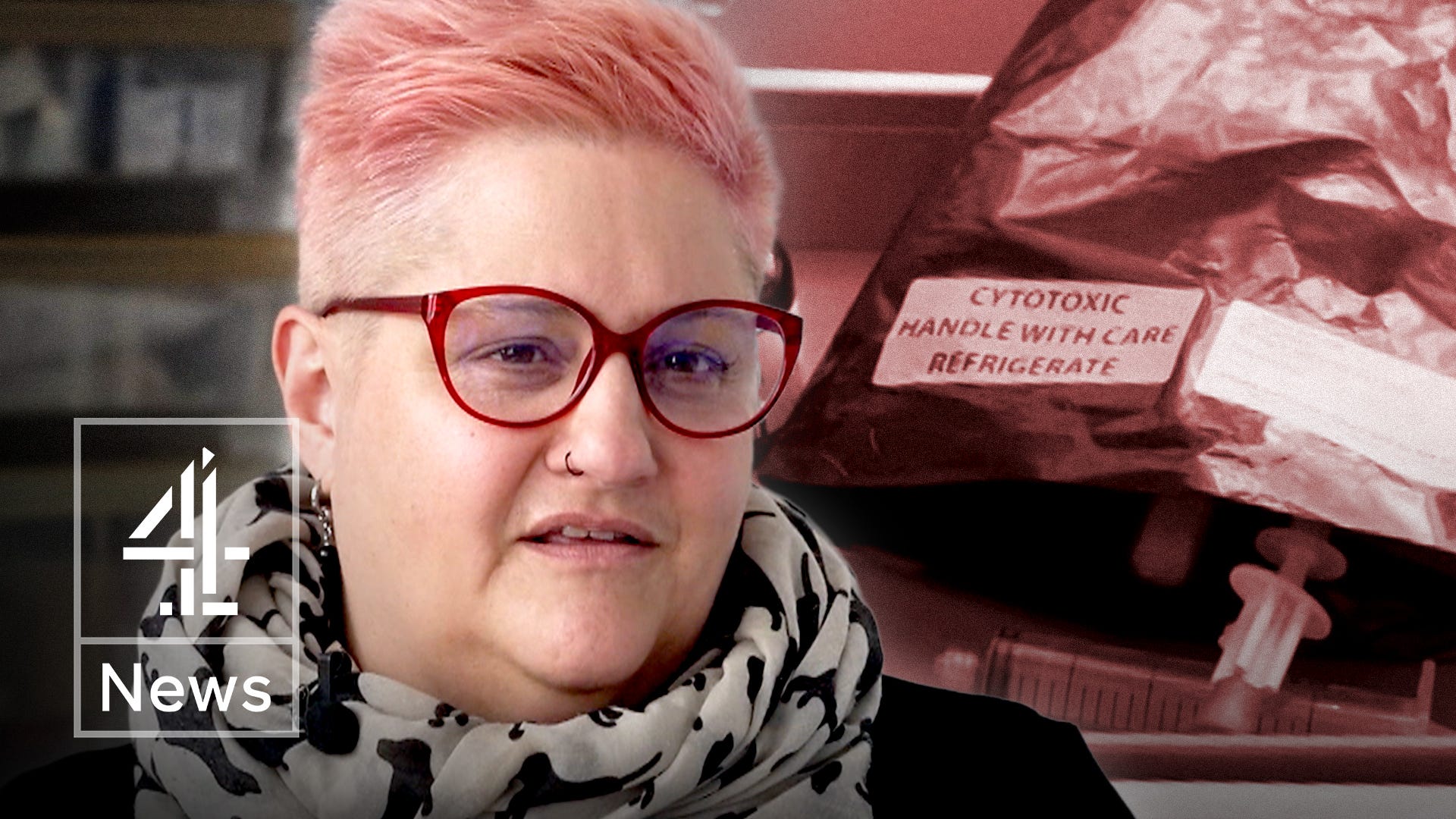
Chemotherapy drugs are life-extending or life-saving. They are also classified as hazardous medicinal products (HMPs).
And now it is claimed that tens of thousands of healthcare workers are at risk of harm even as they are helping save a life.
There are, of course, rules and regulations around this, but working with the Independent, Channel 4 News has spoken to nurses who have suffered miscarriages and we have learned of others who have had migraines and skin problems. There are even reports of nurses going on to develop cancers themselves.
They complain that they are not provided with adequate PPE, including the correct gloves and aprons.
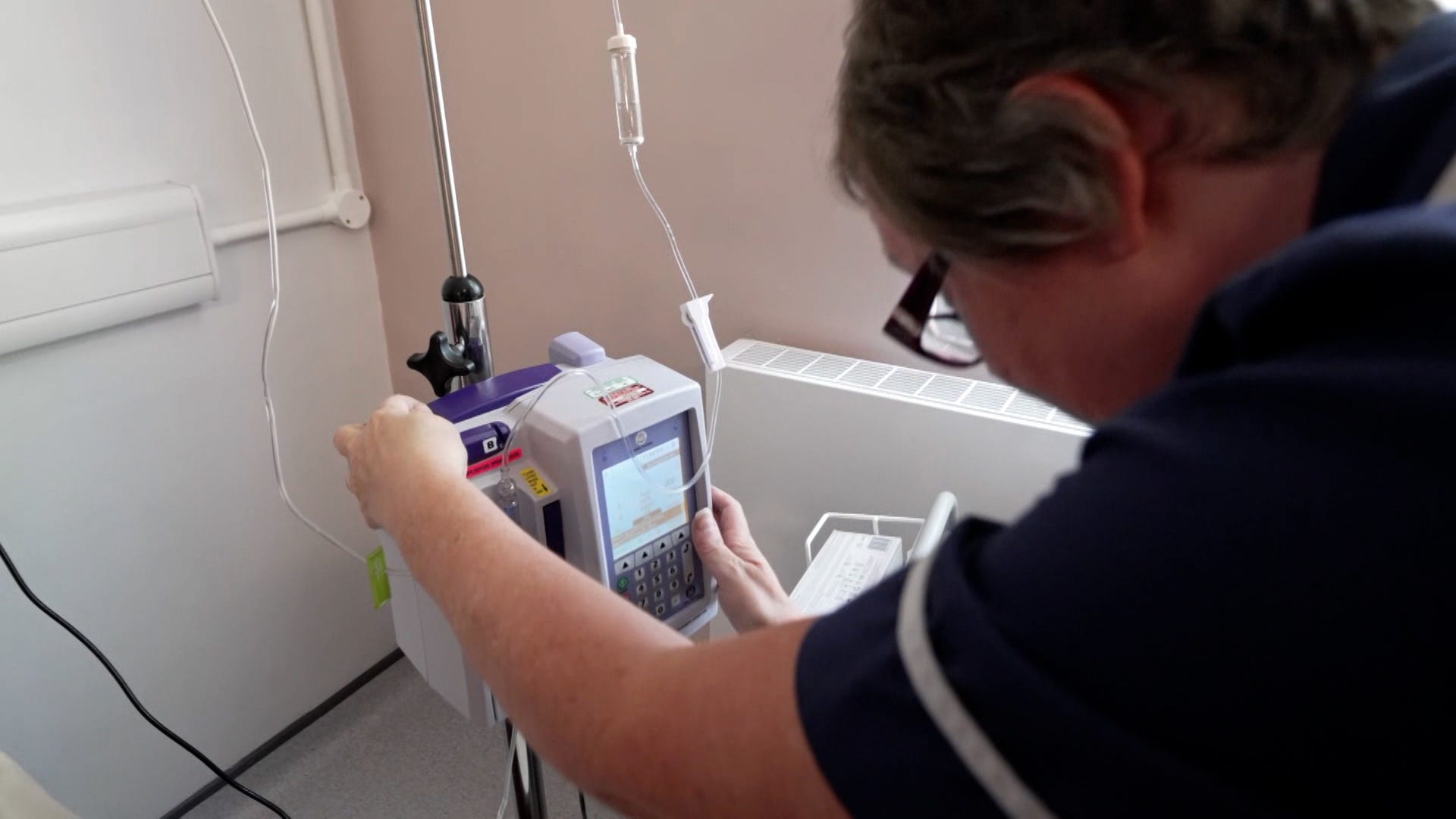
Last year we revealed that laboratory workers across the NHS and other organisations were being routinely exposed to levels of formaldehyde far in excess of EU, US and even the UK’s legal limits.
When we put this to the national regulator for workplace health safety, the Health and Safety Executive, they told us: “Employers have a legal duty to assess risks from hazardous substances and implement adequate control measures. As formaldehyde is a carcinogen, exposure must be reduced to as low a level as is reasonably practicable (ALARP).
“As the legal requirement is already to reduce exposure to the lowest reasonably practicable level, there would be no health risk benefit to be gained by lowering the current workplace exposure limit.”
Now, we can reveal the same reasoning has been used for the handling of HMPs, despite growing evidence of harm to nurses and other health professionals.
Alison Simons and Sam Toland were working as cancer nurses in the NHS when they both suffered miscarriages. And so had other colleagues.
The question they eventually asked themselves was: could it have been the oncology drugs they were treating patients with every day?
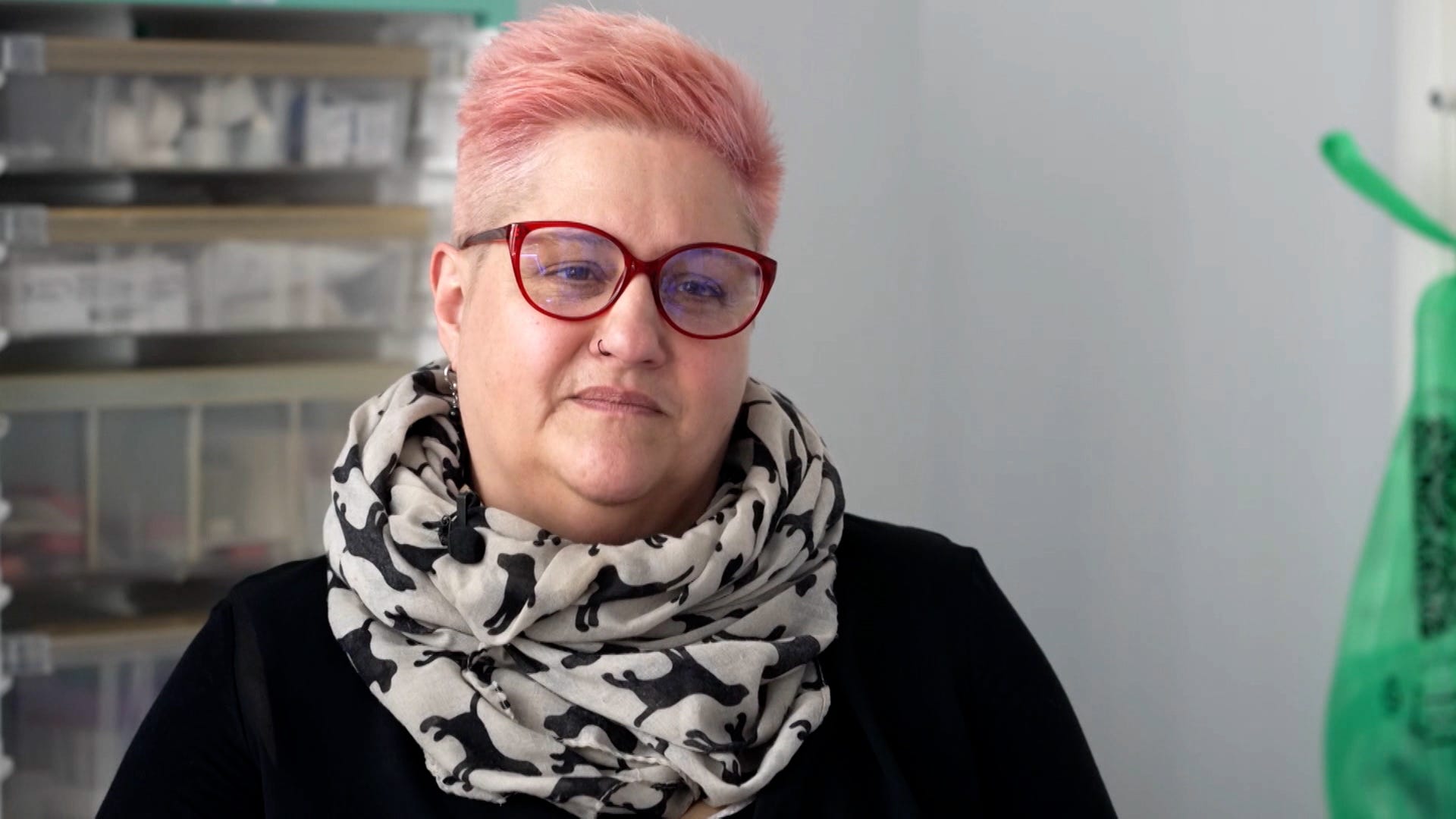
Ms Simons, pictured above and now a senior lecturer in nursing and midwifery at Birmingham City University, said that after her first miscarriage she did not make a connection, but after the second and third she began to think it was a little bit unusual.
“I can’t prove it,” she said. “It’s anecdotal, but it just made me question, so that’s when I started to read around it, look at the studies and think okay, ‘what’s going on here?’”
Her colleague Sam Toland, pictured below, also had a miscarriage and knows of other colleagues who have lost babies. It was after a fellow nurse suffered multiple miscarriages, despite no definitive link, that Worcestershire Acute Hospitals Trust, where Sam works, introduced a safer way to deliver the chemotherapy.
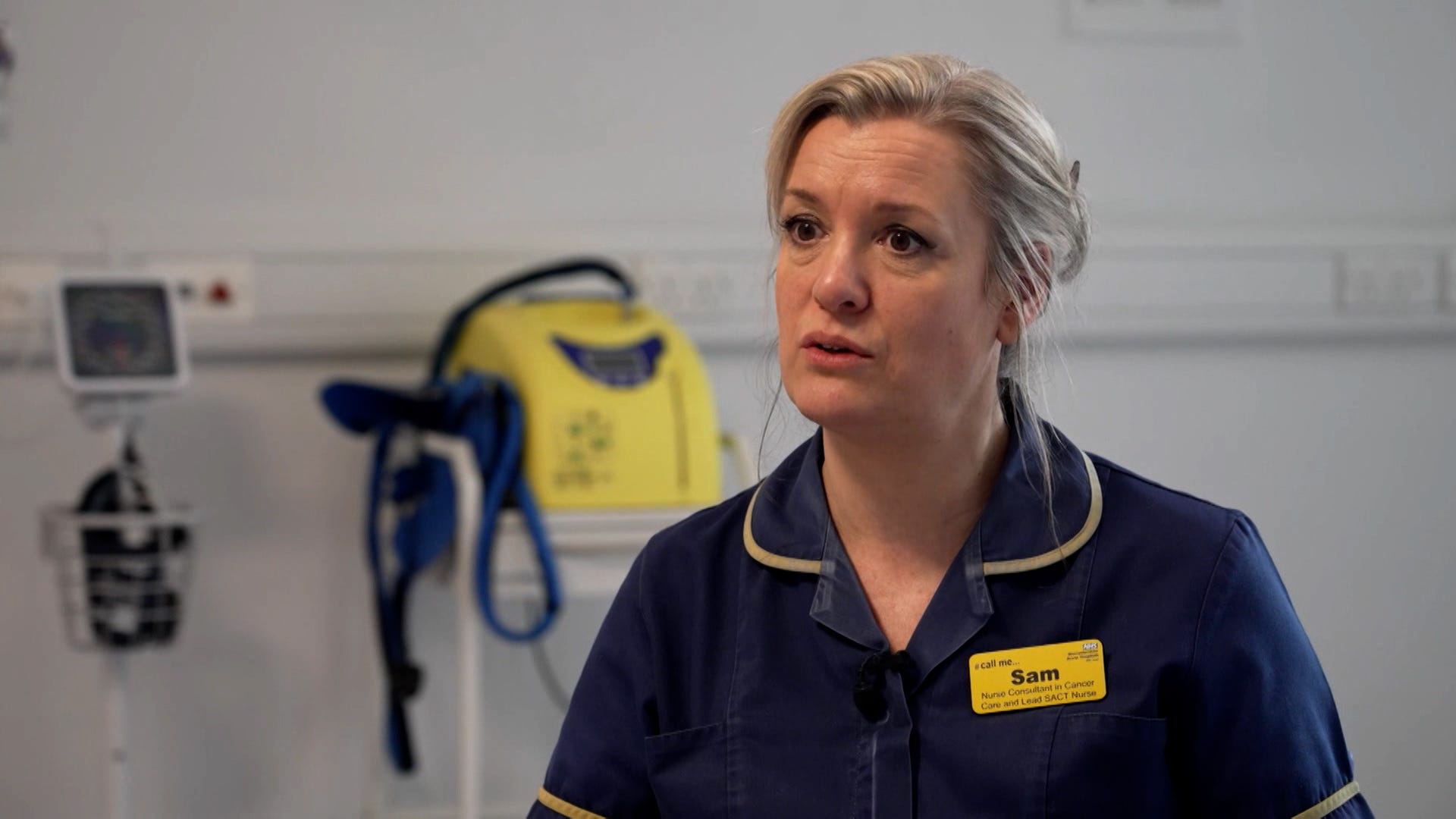
It is called a closed system and means nurses handling the chemotherapies do not ever risk coming into contact with them.
But this is not happening in every trust. In a survey of 747 nurses conducted by Dr Karen Campbell, past president of the UK Oncology Nursing Society, 30 per cent of nurses who responded said they had never used a closed system, nearly 40 per cent had used inappropriate gloves, and 20 per cent reported a wide range of symptoms.
The Royal College of Nursing, in a policy paper, says there is not a consistent approach in identifying hazardous medicinal products and therefore an inadequate risk assessment process in the UK.
It isn’t just chemotherapies; it is also some immunotherapies, some hormonal therapies and some of the newer biological therapies.
Unlike the European Union and the US, the UK does not have an accepted definition or list of HMPs.
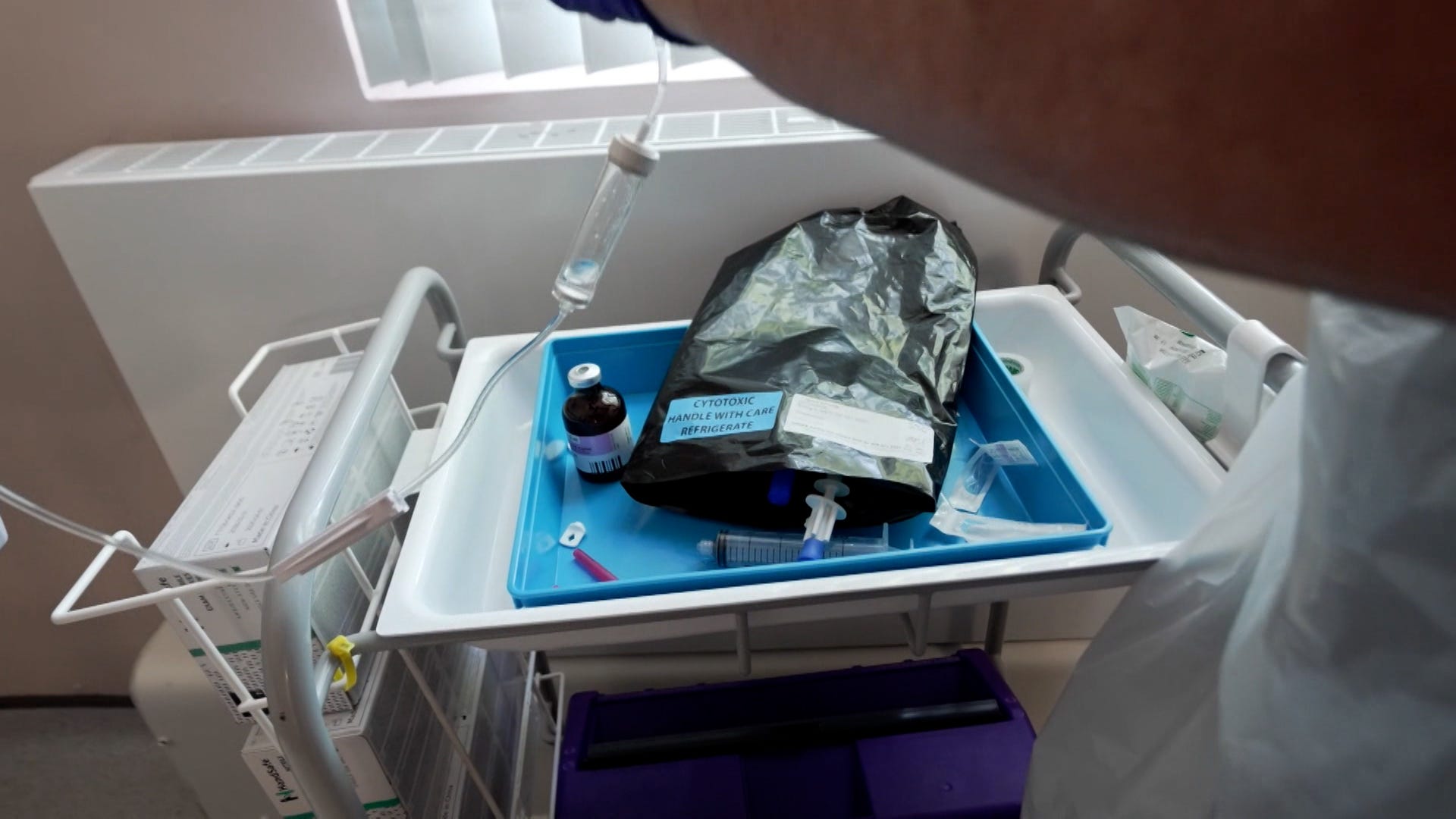
And once again, under the Control of Substances of Hazardous to Health regulations (COSHH), they state exposure to substances that have been classified as carcinogens and mutagens should be controlled “as low as is reasonably practicable”. Just as they said with formaldehyde.
And as with formaldehyde, too, it is out of step with EU and US regulations.
The RCN and the Safer Healthcare Biosafety Network (SHBN) both say that this is a get-out clause.
Indeed, Louise Church, Head of Health, Safety and Wellbeing for the RCN, told Channel 4 News: “We see there is a subjectivity in how that measure is applied and because there is a lack of consistent standards in terms of guidance, it allows employers to make their own decisions about what controls they implement.
“Often we’re seeing that cost is being used as a reason not to implement more robust controls, which leaves nursing staff at risk of exposure.”
Earlier this year, Luke Akehurst MP, pictured below, asked in the House of Commons: “what support the Secretary of State for Work and Pensions is providing to NHS organisations to strengthen staff protection from exposure to hazardous medicinal products during their preparation, administration and disposal?”

The Health and Safety Executive, responsible for the guidelines, falls under the DWP. In response, Sir Stephen Timms, DWP Minister, said that he shared Mr Akehurst’s concerns and had asked the HSE to review the evidence provided by the MP and to look at whether action is needed.
The RCN and SHBN are clear, however, about what action needs to be taken. This includes developing a coherent national framework for the safe handling of HMPs, change “as low as reasonably practicable” to “lowest level possible”, develop and adopt a definition of HMPs, and better environmental monitoring
An NHS spokesperson said: “The safety of NHS staff is paramount, and NHS trusts have a duty in law to protect staff from being exposed to hazardous medicinal products – with clear regulations and guidance in place on the handling of these substances.”
A government spokesperson said: “The safety of NHS staff is non-negotiable, and there are clear legal duties on employers to ensure healthcare workers handling hazardous medicinal products are properly protected at all times.
“We are working closely with the Health and Safety Executive and NHS England to ensure concerns raised by professional bodies are fully considered and staff are listened to.
“The HSE is actively reviewing the evidence presented and whether any further action or clearer guidance is needed.”
If you have a story you would like our team at Channel 4 News to investigate, contact: c4investigations@itn.co.uk