
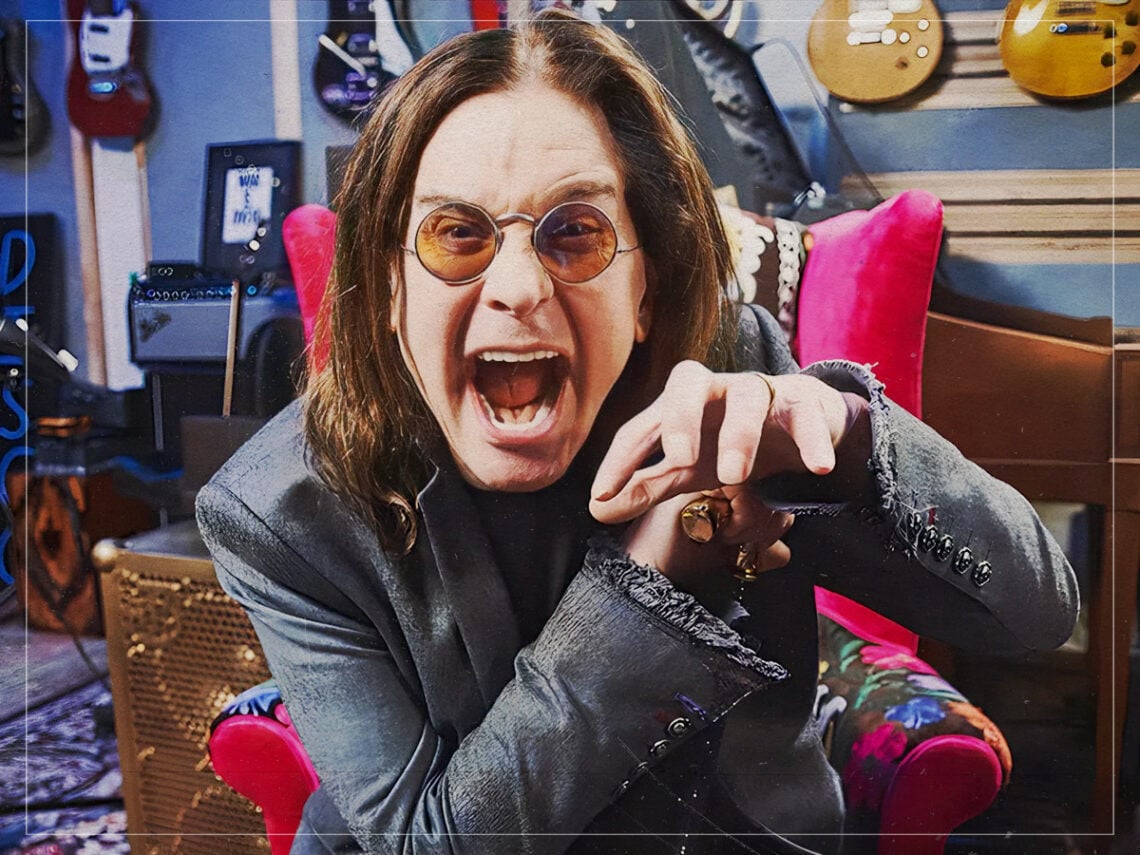
Credit: Far Out / Ozzy Osbourne
Ozzy Osbourne didn’t need much to bring up the moments in his career that didn’t quite come together.
He loved the idea of reliving the good times, but ‘The Prince of Darkness’ never wanted to be looked at as a liar, and even during the height of his fame, he could clearly tell someone when he thought one of his tunes was absolute crap. And while some albums are almost impressive in his catalogue for how out of place they are, Osbourne’s worst records were the ones that never really needed to exist in the first place.
Because first off, Osbourne didn’t want to go into the studio and crank out any old song whenever he worked on a new record. Regardless of how many times he was able to rewrite the same kind of sinister tune, he wanted the chance to be able to work on something new that people hadn’t heard before, and if The Beatles managed to wow their fans every single time they played, why couldn’t he do the same thing for heavy music?
That’s a lot easier said than done, and even though Osbourne has more than a few choice words for records like The Ultimate Sin, the real lowlights of his career came when he was making the more forgettable Black Sabbath records. They were pioneers when they first started making their masterpieces, but somewhere after Sabotage, some of the band’s priorities flew out the window. Tony Iommi wanted a new sound, and that’s what Osbourne could never fully deal with.
‘The Prince of Darkness’ has one style of singing that works perfectly for him, and while he could definitely stretch himself, he never wanted to change just for the sake of changing. That’s the reason why an album like Technical Ecstasy didn’t connect with a lot of fans, but even if they were trying new things on those records, Osbourne felt that the idea of them reuniting for the album 13 was a huge mistake since they didn’t have the full band back together.
Brad Wilk of Rage Against the Machine did a serviceable job, but Osbourne felt that the whole thing never had the passion that it should have, saying, “To be perfectly honest, I didn’t really get a charge from the album. Although Rick Rubin is a good friend of mine, I wasn’t really… I was just singing. It was like stepping back in time, but it wasn’t a glorious period. Though Geezer [Butler] did a lot of lyric writing for me, which he’s very, very good at. It wasn’t an earth-shattering experience for me.”
Rubin isn’t necessarily the one to blame here, but given how the band operated, it was clear that he wasn’t the right fit for the band at the time. Osbourne wanted to cut loose and make the kind of records that he wanted to, and even if Rubin wanted to strip everything back down, there was more than a little bit of fluff on the record, especially considering most of the songs outstayed their welcome by stretching themselves out.
Further reading: From The Vault
And given how much Bill Ward added to the band back in the day, Osbourne felt that there wasn’t a great deal of camaraderie between everyone this time around, either. This was meant to be the final proper tour for everyone to see Sabbath again, but since they were hiring a session drummer to go out on tour with them, they never got to see the proper Sabbath reunite until Osbourne literally couldn’t stand up anymore during his Back to the Beginning concert shortly before his death.
But even if 13 stands as one of the most forgettable pieces of the band’s career, it wasn’t like they had lost their magic. The tension may have been building up a little bit more, but when you look through all of their history, it’s nice to see them go out with a record that reminded everyone why those doomy riffs worked so well back in the 1970s.
ADD AS A PREFERRED SOURCE ON GOOGLE 