
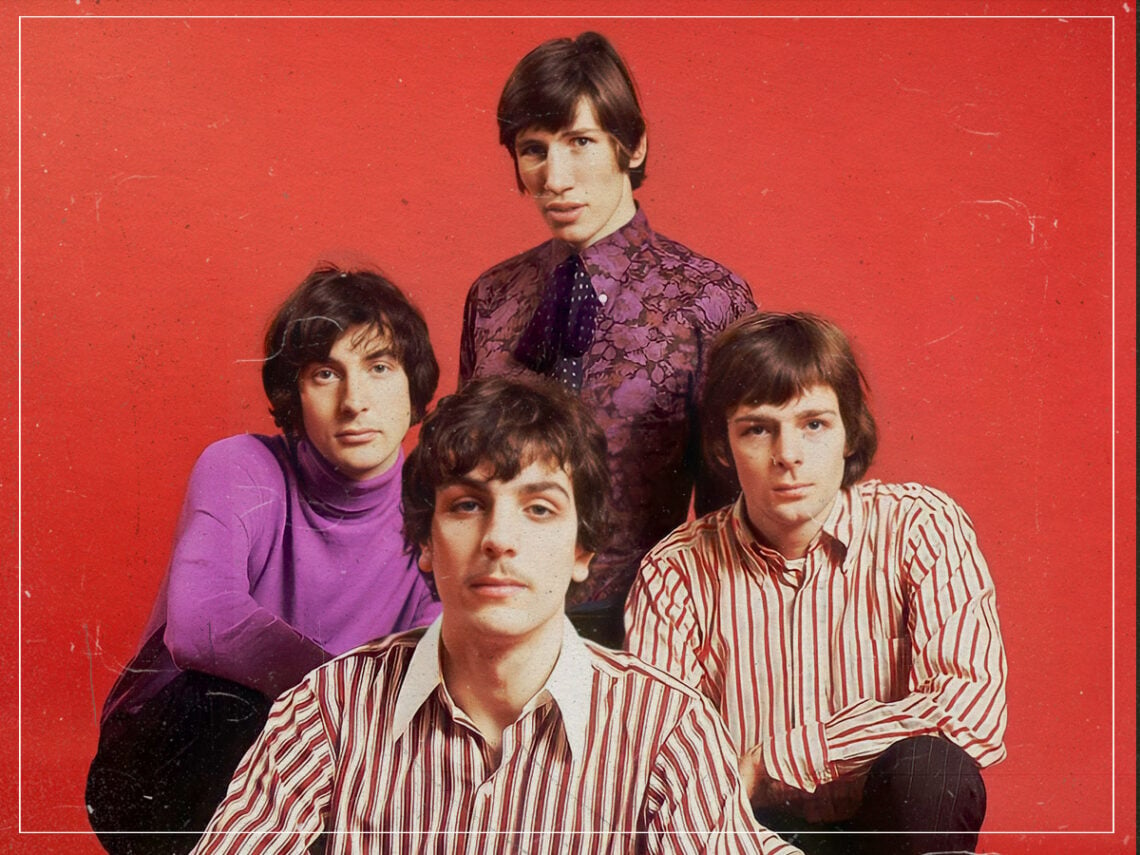
Credit: Far Out / Alamy
Mon 11 May 2026 17:16, UK
When putting together a setlist, there will always be those few songs that artists prefer more than others. Even though it’s great that audiences love to see them do what they love for a living, there are times when the signature tunes often become an albatross around artists’ necks.
While Pink Floyd had moulded themselves into a completely different entity from where they started, they found it challenging to outrun their initial fame.
Given where Roger Waters took the band in later years, the musicians who turned up on the album The Piper at the Gates of Dawn may as well be a completely different act than those who made The Wall and Dark Side of the Moon. Founded by Syd Barrett, most of the band’s early years adopted the same aesthetic of early psychedelia, creating songs that were deliberately nonsensical and often ruled by more than a little bit of psychedelic drugs.
Although the band were able to pack venues across England, the touring lifestyle started to become too much for Barrett. Falling prey to his vices, his amount of LSD consumption resulted in his brain being scrambled throughout his final months with the band, leading to David Gilmour being brought in on second guitar.
Even though the band would have to sever ties with Barrett, that didn’t stop the fans from wanting them to stay in the psychedelic lane. As the group proceeded down new sonic avenues on albums like A Saucerful of Secrets, Richard Wright would remember how frustrated they were when they were told to play the song ‘See Emily Play’.
 Credit: Far Out / Alamy
Being one of the most fondly remembered songs from their early period, the band would outright refuse to play the tune whenever they performed live, often leading to friction between the band and the audience.
As Wright recalled, “When we did ‘See Emily Play,’ we were touring every day, but of course, we never played it live, refused to play it live, not out of spite. That, of course, caused huge problems with the audiences as well. It was fine in London because we were the underground band in London. But as soon as we went out of London, they wanted to hear ‘See Emily Play,’ and we refused to do it”.
Further reading: From The Vault
Then again, Wright would say that the creation of ‘See Emily Play’ came about through corporate circumstances. Instead of coming by the song naturally, the single version of the track was made because the band were commissioned to write a song that seemed more in line with the trends of the time.
While the song would be one of the least popular among the band members, it did have its fair share of fans outside the London scene. When putting together his collection of covers in the 1970s, David Bowie would include a version of ‘See Emily Play’ on Pinups, being enamoured with the Barrett-era of the group.
For all of Pink Floyd’s frustration with the song, it still represented an important turning point in their history. ‘See Emily Play’ was the track that helped carry the group out of the underground clubs and into the national spotlight, giving them their first real taste of mainstream success.
Without it, there’s every chance the band would never have had the freedom to pursue the sprawling creative ambitions that later defined albums like Wish You Were Here and Animals.
The irony was that Barrett himself seemed far less interested in repeating formulas than anyone else around him. While audiences wanted whimsical psychedelic singles, Barrett was already pushing toward stranger and more unpredictable ideas before his departure from the band.
In that sense, Pink Floyd’s refusal to keep performing ‘See Emily Play’ wasn’t just stubbornness. It reflected a group that was already desperate to move forward, even if fans still wanted them frozen in the technicolour haze of their earliest success.
Despite its reputation, the band would also use bits and pieces of the song as a reminder of what Barrett did for them, including the central theme of the track in the middle of ‘Shine On You Crazy Diamond’. For all the spite that went into creating the song in the first place, the legacy of ‘See Emily Play’ seemed to evolve from corporate sellout music to a reminder of the good times.
