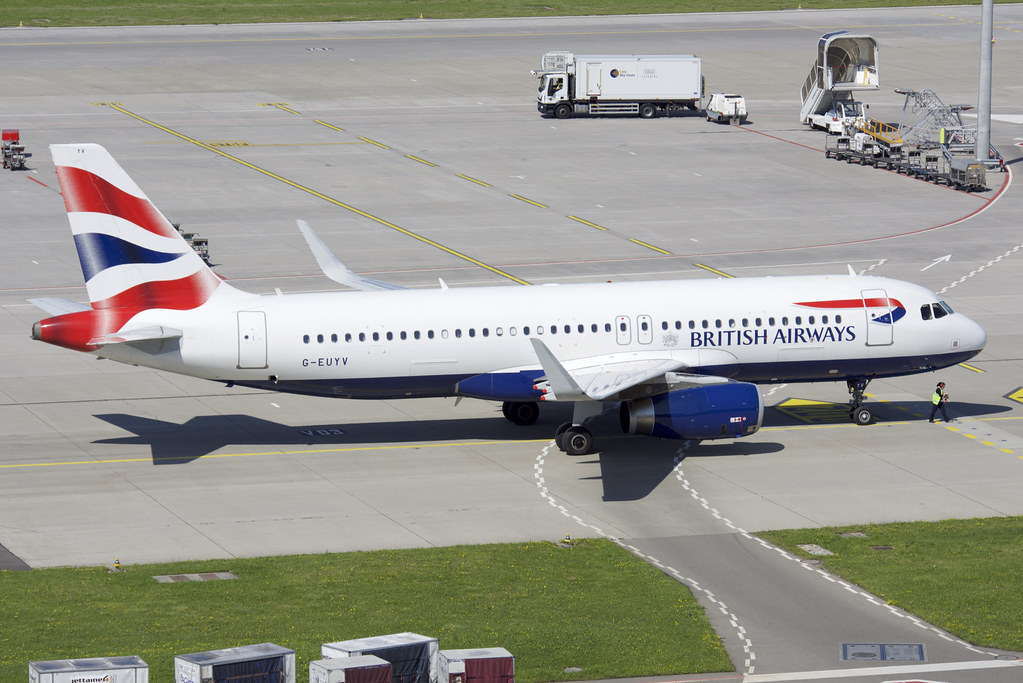
EDINBURGH— A British Airways (BA) flight from London Heathrow Airport (LHR) to Edinburgh Airport (EDI) declared an emergency during its approach into the Scottish capital after a co-pilot required medical attention onboard.
The incident involved British Airways flight BA1458, which departed Heathrow shortly before 5 p.m. on Monday and later transmitted a squawk 7700 emergency code while descending toward Edinburgh.
Flight tracking data showed the aircraft at approximately 13,000 feet when the emergency was declared, prompting an immediate response from air traffic controllers and airport emergency teams.
 Photo: By Mertbiol – Own work, CC0, https://commons.wikimedia.org/w/index.php?curid=130784832
British Airways Pilot Incapacitated
A squawk 7700 is the internationally recognized transponder code used by flight crews to indicate a general emergency. Once activated, the code alerts air traffic control and nearby aviation authorities that an aircraft requires priority handling.
According to flight tracking information, the Airbus A320 operating the service continued its approach into Edinburgh after the emergency declaration, Herald Scotland flagged.
The aircraft landed safely without further incident and taxied to the stand under the supervision of emergency responders.
Emergency vehicles were positioned on the tarmac as a precautionary measure while airport officials monitored the arrival. Passengers later disembarked normally after the aircraft reached the gate.
 Photo: By Anna Zvereva from Tallinn, Estonia – British Airways, G-EUUD, Airbus A320-232, CC BY-SA 2.0, https://commons.wikimedia.org/w/index.php?curid=63361968
British Airways Co-Pilot’s Illness
Initial reports indicated that the emergency was linked to a medical issue involving the co-pilot during the final stages of the flight. British Airways did not disclose the nature or severity of the condition, although the airline confirmed the aircraft landed safely.
A spokesperson for British Airways stated that the flight arrived safely in Edinburgh and customers left the aircraft as normal. The carrier did not provide additional details regarding the crew member’s medical status.
Medical situations involving pilots remain relatively uncommon but are treated with significant caution within the aviation industry. Airlines train cockpit crews extensively to manage onboard medical events while ensuring aircraft safety and operational continuity.
Commercial aircraft operating under two-pilot procedures are designed to allow one pilot to safely operate the aircraft if the other pilot becomes incapacitated. Air traffic control units also provide priority handling during such emergencies to minimize operational risks.
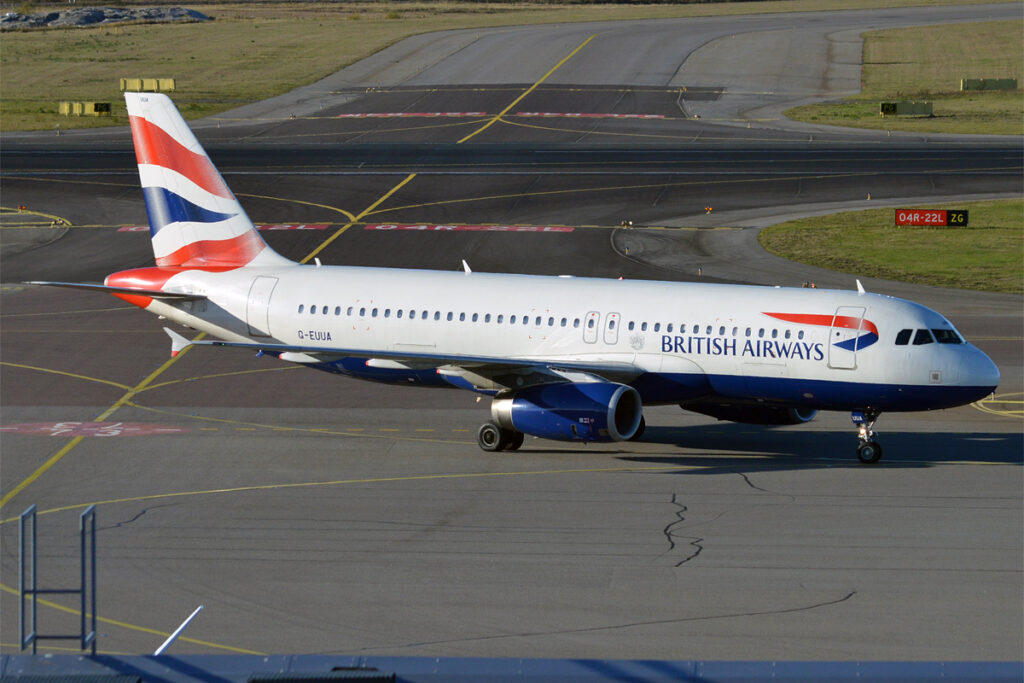 Photo: By Anna Zvereva from Tallinn, Estonia – British Airways, G-EUUA, Airbus A320-232, CC BY-SA 2.0, https://commons.wikimedia.org/w/index.php?curid=44280753
Response from Edinburgh
The emergency declaration briefly drew attention from aviation monitoring platforms after the squawk 7700 code appeared on public flight tracking systems.
Such alerts often trigger rapid coordination between pilots, air traffic controllers, and airport emergency services.
Edinburgh Airport emergency teams responded in accordance with standard aviation safety procedures. The aircraft was met upon arrival to ensure medical personnel could quickly assist the affected crew member if necessary.
British Airways continued normal operations following the incident, and no disruptions affecting airport operations at Edinburgh were reported after the aircraft landed safely.
Stay tuned with us. Further, follow us on social media for the latest updates.
Join us on Telegram Group for the Latest Aviation Updates. Subsequently, follow us on Google News