
The Care Quality Commission (CQC) has published its inspection of Surrey hospital buildings that have previously been described as “not fit for 21st century”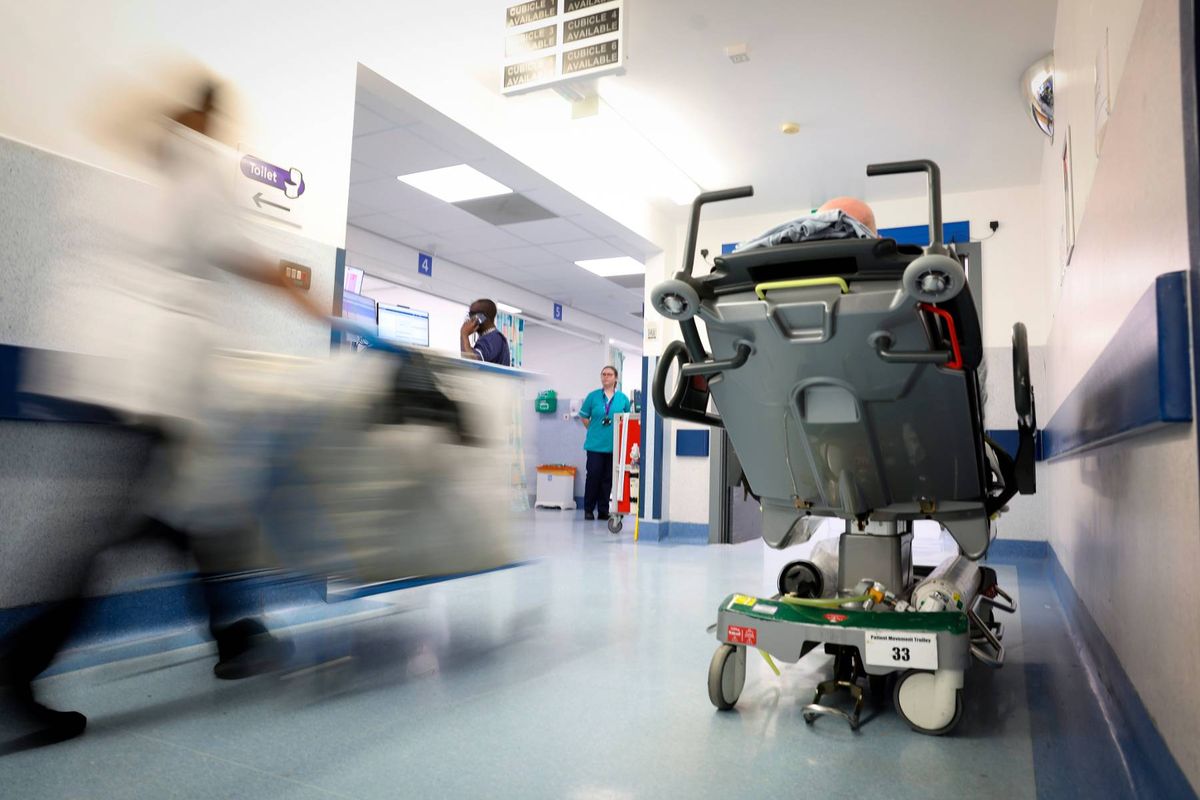
The Care Quality Commission has published its inspections of hospitals based in Epsom and Sutton (stock image)(Image: Joseph Raynor/ Reach PLC)
A Surrey NHS Trust has had its inspection from the Care Quality Commission (CQC) published, which has seen the hospitals under its management given varying ratings.
The Epsom & St Helier NHS Trust manages Epsom Hospital, in Epsom and St Helier Hospital, in Sutton. These facilities are awaiting a major rebuild, and have previously been described by MPs as “crumbling”, “dilapidated” and “not fit for 21st century healthcare”.
The Care Quality Commission (CQC) has published its inspection, which took place in December 2025. Inspectors chose to rate the Epsom Hospital as ‘Good’ overall, while the St Helier Hospital and Queen Mary’s Hospital for Children has had its rating downgraded down to ‘Requires Improvement’.
The NHS Trust as a whole has maintained its ‘Good’ rating.
The report raised particular concern with the emergency departments (ED) at the Epsom and St Helier hospitals.
Inspectors found that in these emergency departments, staff were under “high pressure” and had to care for many people in spaces not designed for it.
Namely in corridors, which the Commission describe as “uncomfortable and ‘lacking privacy’ for patients.

St Helier Hospital is nearly 90-years-old, making it older than the NHS(Image: ANDREW KING PHOTOGRAPHY)
Across the hospitals, the CQC found that patients “often faced long waits”. Suggesting that this has been caused by a combination of “high demand”, “delayed discharges” and “limited capacity in the local health system”.
Despite the pressures, inspectors praised the Trust’s staff for “working exceptionally hard to meet people’s needs” with patients at the hospitals telling them that staff were “kind, respectful, and took the time to listen to them and involve them in care decisions”.
Earlier this month it was revealed that the St Helier Hospital had secured £57 million from NHS London to expand its Same Day Emergency Care services and more widely modernise its care environment. The news was celebrated the Trust alongside local MPs, who have campaigned consistently for more central funding.

Images of the hallways in St Helier’s Hospital, where staff are reportedly working in areas with damp mould, leaking roofs, and floods.(Image: St George’s, Epsom and St Helier University Hospitals (GESH))
In June 2025, the Government announced a new £750 million in capital funding to address “critical infrastructure and safety risks” in NHS hospitals. Despite this, it is expected that the hospitals in Epsom and Sutton will have to wait ‘at least 2033’ for their rebuilds.
News of the rebuild delays were met with disappointment from MPs and bosses at the Trust, who claimed they will now need to plan for the “catastrophic failure of our buildings” before the regeneration project begins.
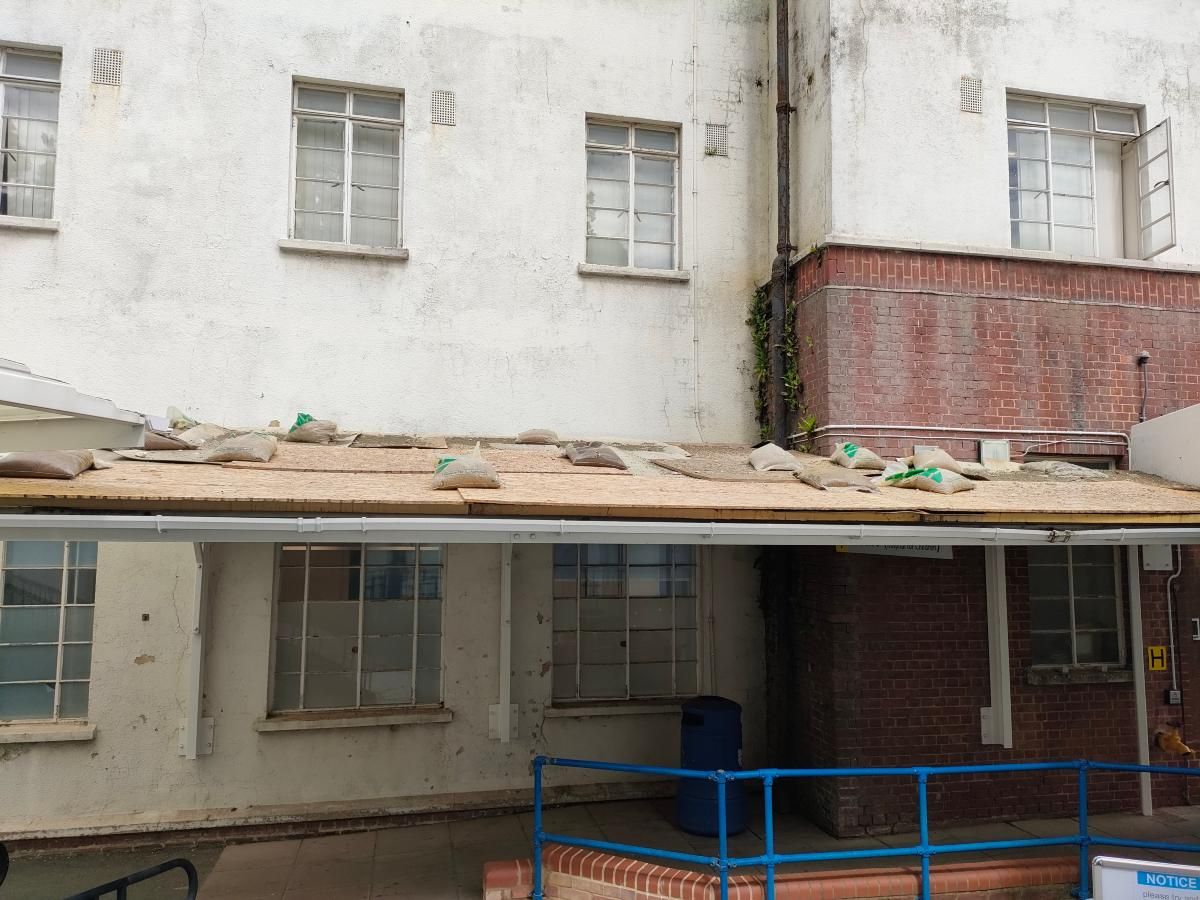
Images of the St Helier Hospital from 2023 showing a building which MPs describe as ‘”crumbling”(Image: Epsom and St Helier Hospitals NHS Trust)
Responding to CQC reports, Managing Director of Epsom and St Helier University Hospitals NHS Trust, Alex Shaw, said: “We are pleased that the CQC’s overall rating reflects our safe and compassionate care – and are very proud of our maternity teams for the hard work they have done to drive significant improvements since the last inspection.
“We are addressing areas where we need to go further, such as improving patient experience during periods of increased pressure – including directing more patients to our Urgent Treatment Centre, which is already seeing a reduction in corridor care and length of stay.”
In the CQC’s report for the St Helier Hospital and Queen Mary’s Hospital for Children, while the overall rating was ‘Requires Improvement’, the facilities received ‘Good’ ratings for their effectiveness, responsiveness and caring abilities. The Trust was told its safety and leadership require improvement.
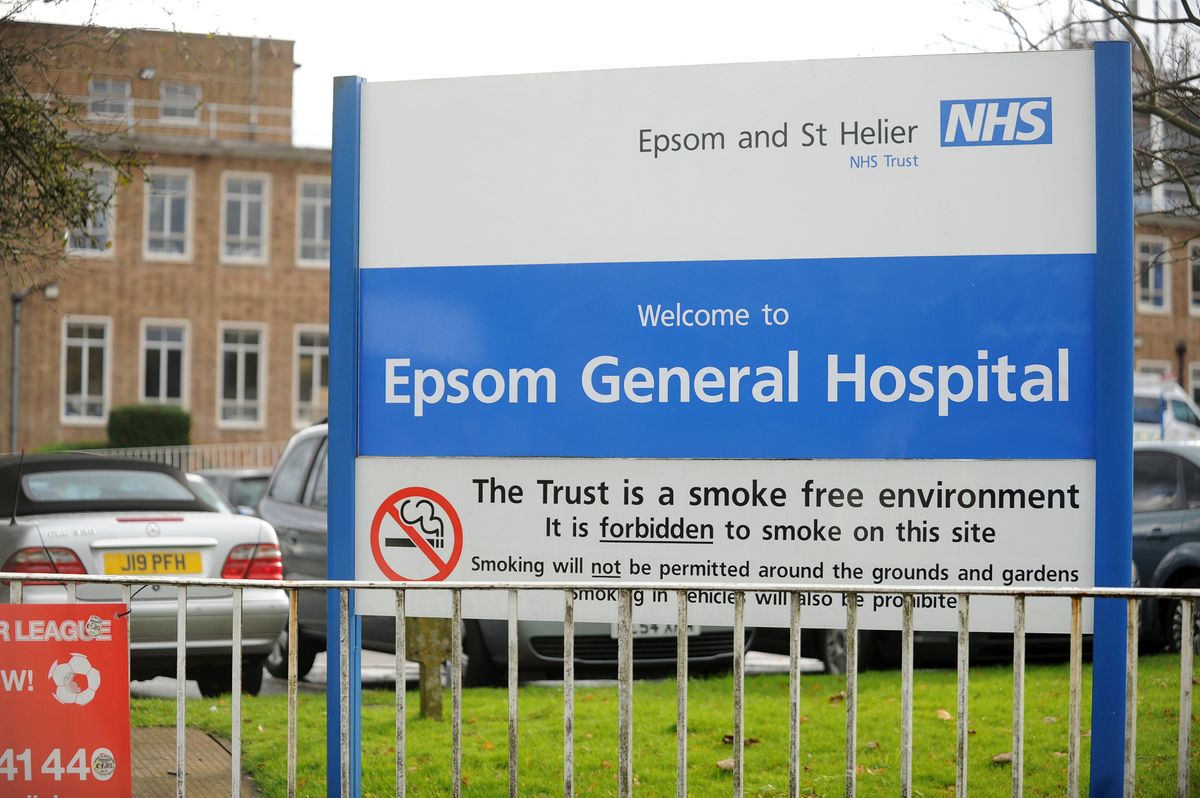
Epsom Hospital maintained its ‘Good’ rating in the CQC’s most recent inspection(Image: Get Surrey)
In the Epsom hospital’s CQC report, it was rated ‘Good’ in all of the five aforementioned categories. The hospital maintained this rating from its previous inspection in 2019.
Detailing the findings of the December 2025 inspections of the Epsom & St Helier NHS Trust’s facilities, CQC Deputy Director of hospitals in London, Antoinette Smith said:
“We found staff at both hospitals working exceptionally hard to meet people’s needs, even in difficult circumstances. They continued to improve people’s care on the maternity and medical wards, though the emergency departments remained under high pressure.
“People consistently told us staff were kind, respectful, and took the time to listen to them and involve them in care decisions. Most staff were very skilled and knew how to adapt people’s care to their unique needs and preferences.
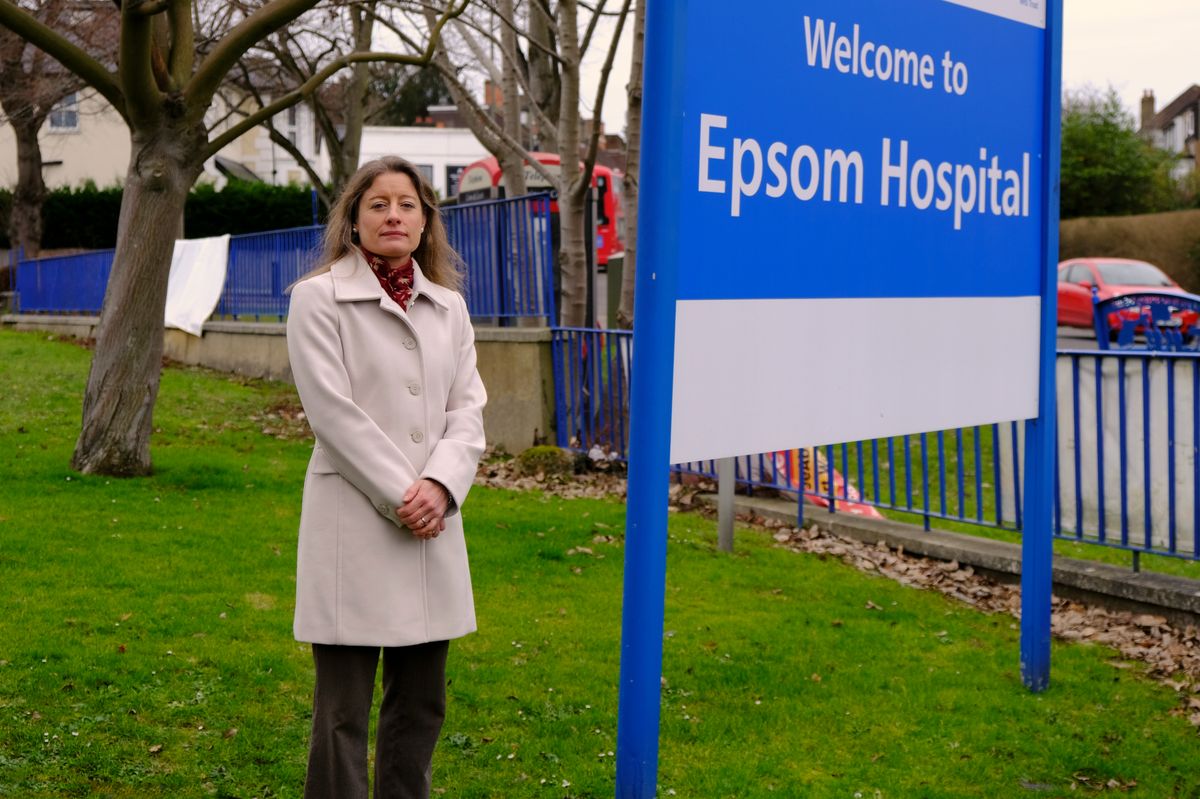
Liberal Democrat MP for Epsom & Ewell, Helen Maguire standing outside Epsom Hospital. The MP has previously called for further funding from the Government to support the hospital(Image: Helen Maguire MP)
“However, high demand coupled with delayed discharges and limited capacity in the local health system meant people often faced long waits.
“Staff in the emergency departments had to care for many people in spaces not designed for it, such as corridors which could be uncomfortable, lacked privacy, and could obstruct movement in an emergency.
“These spaces also made it harder for staff to see people, raising the risk that someone could deteriorate unnoticed. Likewise, staff in surgical or medical wards designed for short stays were often caring for people for much longer periods.
“Most leaders understood these risks and were focused on reducing them, but their interventions hadn’t always worked. For example, we saw people with complex needs being cared for in these temporary spaces, which was against the trust’s guidance.
“We’ve shared our findings with the trust, so they know where improvements are still needed and where there is good care to build on. We’ll continue to monitor these services to make sure people are kept safe.”