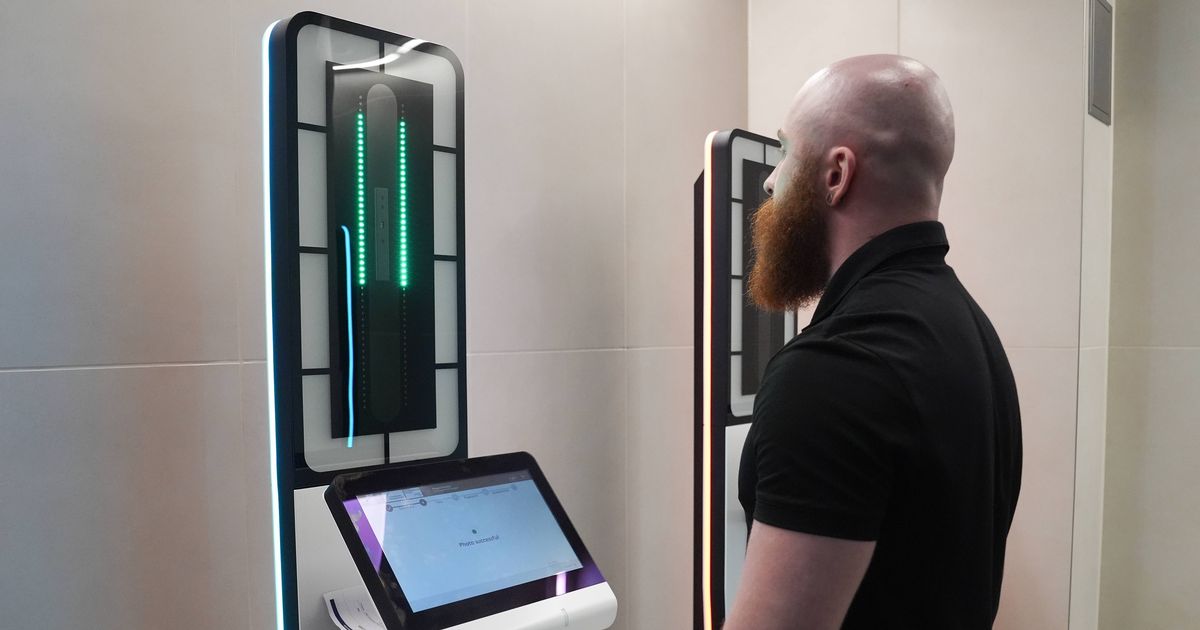
The system will require Brits to have their fingerprints recorded and photographs captured for EU entry.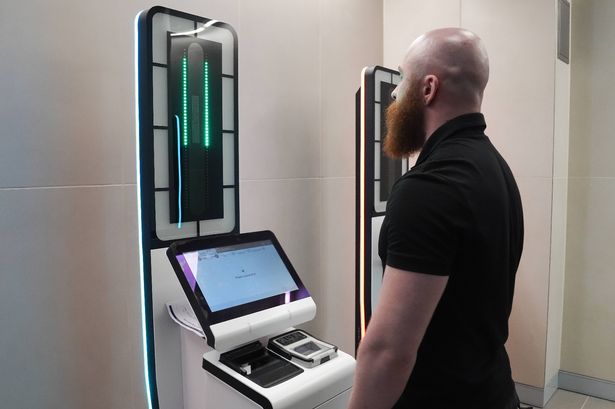 A person uses a EES kiosk during the demonstration(Image: Lucy North/PA Wire)
Travelling can be a nerve-wracking experience. Having all documents to hand as well as the correct information on when and where you are heading is not for the faint-hearted, and changes to the whole process are on the way.
The next time you travel from the UK to Europe, you might notice a switch-up. That is because EU border controls kick off next month with the Entry Exit System (EES) launching on October 12.
The new system will demand that visitors from non-EU countries – including Britain – provide fingerprint scans and pose for photographs when entering the EU, eventually replacing passport stamping altogether.
Every child must enrol, though youngsters under 12 won’t require fingerprinting, reports the Daily Record.
If you’re worrying about the full extent of the changes, and what it means for you, we have broken it down.
What is EES and where is it being introduced?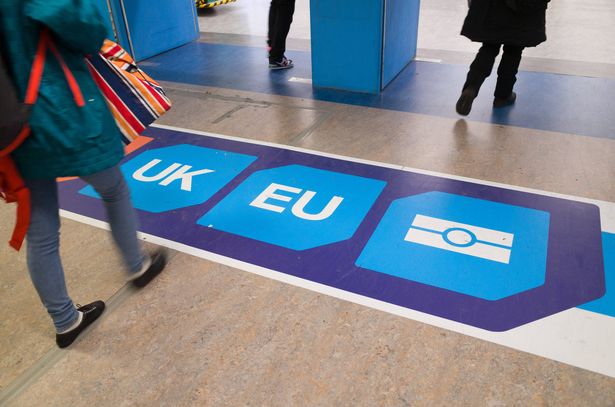 The EU’s new digital border system, the Entry/Exit System or EES, will be gradually introduced this autumn.(Image: Christopher Ames via Getty Images)
EES will come into force in 29 European countries and will see a significant change for UK passengers. From this date, fliers will have their fingerprints and photograph taken when they first enter or leave the Schengen area.
It includes many popular destinations for UK travellers, such as France, Spain, Portugal, Italy and Greece.
It will replace the current system of having a passport stamped on entering an EU country. Instead, there will be an automated system which records when tourists cross an EU external border
The new system will collect biometric data at the border.
It is hoped that the EES will improve security and ensure people don’t overstay the 90-day limit in any 180 day period. UK passengers may also be asked questions at border control.
When will EES start?
EES begins on October 12. Check points will be gradually increased until it’s fully rolled out by April 10, 2026.
At Dover, coach passengers will start using the new system on October 12, followed by other tourist traffic on November 1. At Eurostar terminals, EES will be introduced more gradually.
A spokesperson said Eurostar will take “full advantage” of the six-month introductory phase of EES, by only inviting some frequent travellers and those with premium tickets to use the kiosks.
EU member states will initially only be required to use the system for a proportion of their arrivals.
Eurotunnel, which runs vehicle shuttles through the Channel Tunnel, is also expecting to introduce EES in stages from October 12.
What will passengers have to do?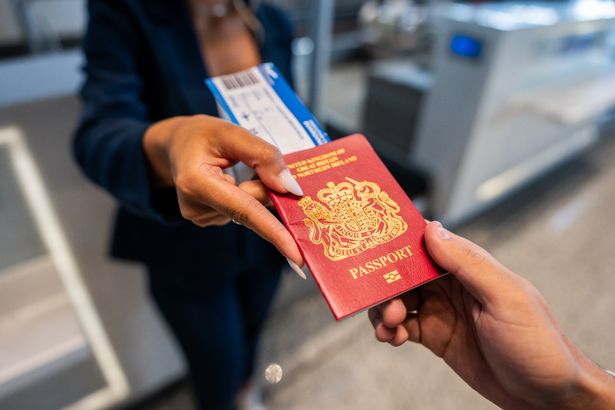 The new system, which will be rolled out from October 12, will replace the stamping of Brits’ passports(Image: Getty)
The first time they use the new system, people from most non-EU countries, including the UK, travelling into and out of the Schengen area for short stays may have their fingerprints and photo taken and passport scanned.
They may also need to answer the Schengen Border Code questions.
For those entering the Schengen area through the Port of Dover, Eurotunnel at Folkestone or St Pancras International, this information will be taken at the border before leaving the UK.
At these places, passengers will have to follow the instructions on kiosks – automated machines installed in dedicated areas.
The Schengen Border Code questions could involve showing proof of accommodation, sufficient funds for the trip, medical insurance, and a return or onward ticket.
Border officials can request more information if they suspect you cannot support your trip.
All passports will continue to be stamped manually until EES is fully rolled out in 2026.
Once an individual is enrolled with EES, they won’t need to have their fingerprints taken for journeys over the subsequent three years, though they’ll still be required to use a kiosk.
What are the concerns?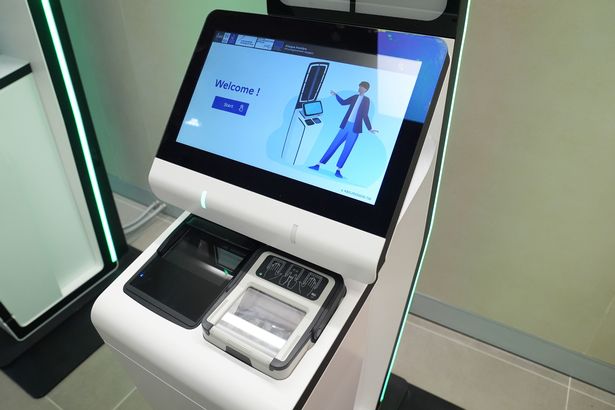 An EES kiosk at Kings Cross St Pancras for the Eurostar European Union entry/exit system (EES) before its rollout.(Image: PA)
For several years, there have been worries that EES could cause lengthy hold-ups for British travellers completing EU border procedures at St Pancras station, Dover Port and Eurotunnel’s Folkestone terminal.
The Foreign Office has warned that there could be increased waiting times as the new system is bedded in.
During the initial transition period, the port will be able to temporarily stand down EES if queues get too long, and revert to manual passport stamping, according to the BBC.
Eurostar hope its decision to limit EES initially to some business travellers will help to avoid any significant queues.
Eurostar will maintain current arrival times at St Pancras, which vary from 60-75 minutes before departure.
 Join the Daily Record WhatsApp community!
Get the latest news sent straight to your messages by joining our WhatsApp community today.
You’ll receive daily updates on breaking news as well as the top headlines across Scotland.
No one will be able to see who is signed up and no one can send messages except the Daily Record team.
All you have to do is click here if you’re on mobile, select ‘Join Community’ and you’re in!
If you’re on a desktop, simply scan the QR code above with your phone and click ‘Join Community’.
We also treat our community members to special offers, promotions, and adverts from us and our partners. If you don’t like our community, you can check out any time you like.
To leave our community click on the name at the top of your screen and choose ‘exit group’.
If you’re curious, you can read our Privacy Notice.
The company anticipates travellers will need roughly 90 seconds to use the kiosk system.
The first major test for EES in the UK is expected to come towards the conclusion of next year’s Easter school break, which aligns with the deadline for complete system rollout on April 10.