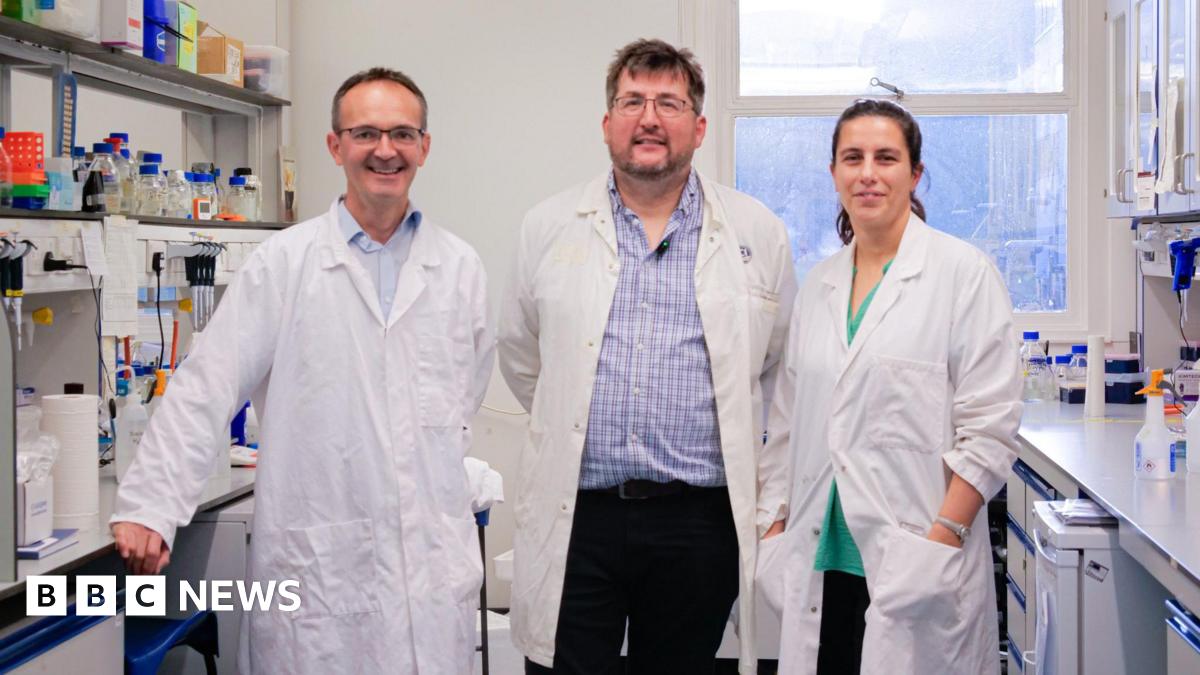
Prof Greg Challis, from the University of Warwick’s chemistry department and Melbourne’s Monash University’s Biomedicine Discovery Institute, said: “Methylenomycin A was originally discovered 50 years ago, but no-one appears to have tested the synthetic intermediates for antimicrobial activity.
“By deleting biosynthetic genes, we discovered two previously unknown intermediates.”
Researchers also noted that bacteria did not become resistant to it under conditions where resistance would typically emerge which they called an encouraging sign for future use.
Dr Lona Alkhalaf, assistant professor at Warwick, said the finding was unexpected.
“The bacterium that makes methylenomycin A — Streptomyces coelicolor — is one of the most studied antibiotic-producing species since the 1950s.
“Finding a new antibiotic in such a familiar organism was a real surprise.”
“This suggests a new paradigm for antibiotic discovery,” Prof Challis said.
He said further testing and research may “find potent new antibiotics with more resilience to resistance”.
The next stage will involve pre-clinical testing of the compound.