
The deaths have been described a ‘punch in the gut’Helena Vesty NHS, social care and patients reporter and Ludwik Lipiec
17:37, 06 Nov 2025
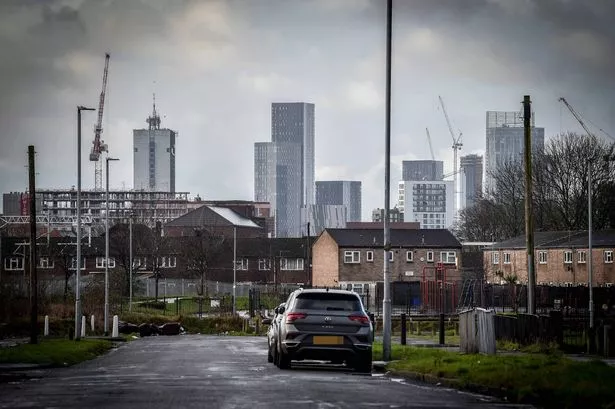 ‘Alongside these seven children, there are a significant number of other children who have been in our care who we know experience non-fatal but serious harm including self-harm’, the council has said(Image: Vincent Cole – Manchester Evening News)
Seven young people leaving the care system in Manchester died in the span of just seven months, a council meeting has revealed.
It is the first year the numbers of care leavers who die has been collected following a ruling made at the end of December 2023. Safeguarding teams, like the Manchester Safeguarding Partnership, are now required to notify a national safeguarding panel when a care leaver dies.
Figures, heard by Manchester City Council’s health scrutiny committee today (November 6), seven care leavers died in the first seven months of 2024.
The deaths were described as a ‘punch in the gut’ by councillor for Sharston, in Wythenshawe, Thomas Judge.
Alongside these seven children, council papers also stated there are a significant number of other children who have been in care who the authority is aware have experienced ‘non-fatal but serious harm including self-harm’.
Join the Manchester Evening News WhatsApp group HERE
“How do people that have been in the care system, leaving that care system in such a state that they tragically take their own lives?” asked Coun Judge, despairing at the numbers.
The committee heard that the deaths were from ‘suicide, natural causes, or misadventure’ – death caused accidentally while doing something legal, without negligence or meaning to cause harm.
In Manchester, care leavers are aged between 16 and 25 and have spent at least 13 weeks, continuously or in total since the age of 14, and at least one day following their 16th birthday being cared for by your local authority.
They are eligible for entitlements and support as they transition from being cared for by the local authority into their lives as independent young adults.
After one of the deaths, the Manchester Safeguarding Partnership began a ‘serious adult review’ to examine the cases.
“In response to the tragic deaths of care leavers, there’s been a review undertaken to examine gaps during the transition to adulthood, and a dedicated working group tasked with developing integrated transitional safeguarding support to the system,” said Louise Honor, Manchester’s designated nurse for adult safeguarding.
The findings of that review have ‘brought a moral and professional imperative to understand better’ how public services, such as the NHS, police, and council, working together could be improved.
Those improvements are needed if there is to be a ‘reduction in harmful experiences for Manchester’s care leavers’, read the health scrutiny committee papers.
The safeguarding partnership says it needs to understand if the support currently in place for care leavers actually works to ‘recognise, manage and reduce harm, including self harm’ and ‘to prevent and build resilience against future harms’.
There has been progress, the committee meeting heard. “I don’t think we had many more deaths, and this year we’ve had, thankfully, no more deaths of care leavers from April to now. So that’s really positive,” said Sue Harrison, Manchester Safeguarding Partnership manager.
“We continue to work on making sure that our systems and our support mechanisms for our care leavers are the best that they can be, and that they are getting the support that they require.”
“Safeguarding is never the same year on year,” added Councillor Thomas Robinson, the council’s executive member for healthy Manchester and adult social care.
“So it’s about making sure that the person is put at the heart of that situation, and that empathy is always driving forward the discussions that we have. No situation is too complicated, too complex.
“This is the first and last line of defence for so many children and adults across this city.
“Every quarter we run through every single piece of data that we have on safeguarding. If there’s things are evolving or changing or where staff are concerned, practice is concerned, we go in and we make sure that we discuss everything that we need to.”
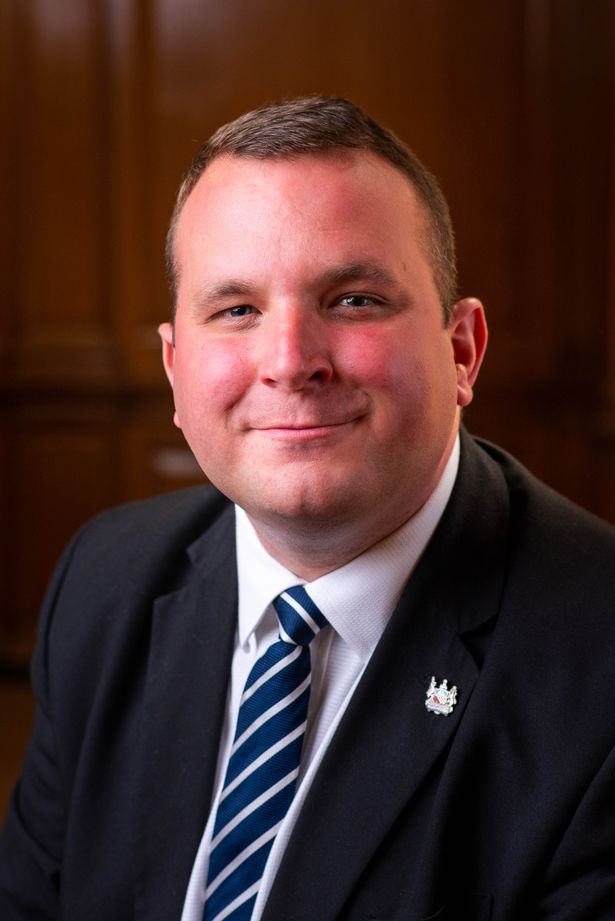 Cllr Thomas Robinson
Manchester Safeguarding Partnership currently shares responsibility for 1,537 carer leavers up to the age of 25 years.
That number is expected to rise over the next few years ‘as a reflection of the higher numbers of children that came into our care several years ago who are now maturing into adulthood’, the partnership says.
“It is critical to recognise that most of these children lead happy and successful lives, supported in their communities and contribute to the success of Manchester’s as a thriving city.
“This work is not focused on those children, although it is important to understand what generates the successes as well as how we improve where we can,” added the partnership.
Manchester’s support to care leavers extends up to the age of 25 as the United Nations’ definition of a young person is someone aged between 15 and 25 years.
“This correlates with the research that informs us that for all children, maturity, judgment, insight, and intelligence develops throughout childhood and young adulthood,” says the partnership.
“Structural brain development during these years enhances learning skills and reasoning abilities, and different life experiences also enrich or disrupt the progression of brain development.
“A person’s brain is not fully developed until their mid to late 20s, as the brain grows in physical size and the emergence and strengthening of nerve pathways.
“Adverse life experiences affect people differently at different ages, particularly emotional and physical stress.”