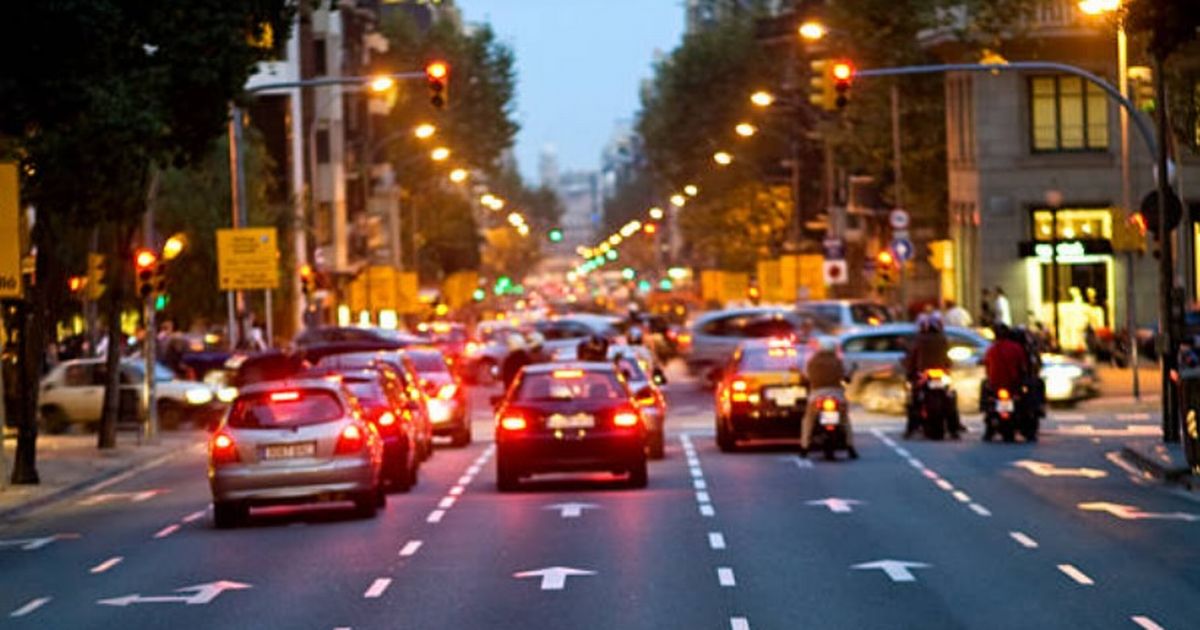
There are new drink driving limits proposed for late 2025, according to reports in Majorca. UK drivers in Spain face £875 fines over ‘criminal matter’
Spain is introducing new drink-drive limits with UK tourists on holiday in the European Union holiday hotspot warned. There are new drink driving limits proposed for late 2025, according to reports in Majorca.
These changes will apply to all drivers, including those on e-scooters and bicycles. A new universal limit of 0.2 g/l in blood or 0.1 mg/l in breath is likely, which will make it extremely difficult to consume any alcohol and stay under the legal limit.
Experts warn that even a small glass of wine or beer could put a driver over the new threshold, according to Majorca Daily Bulletin. Refusing to take a breathalyzer test is also a criminal offense.
READ MORE Households in England waking up to letters about ‘one-off’ free £100 payment
Penalties for exceeding the legal alcohol limit but remaining below the criminal threshold include. Fines range from €500 to €1,000 – £875 – depending on the alcohol level. Repeat offenders face higher fines.
Drivers will have points deducted from their license, too. When a driver’s alcohol level reaches a certain point, the offense becomes a criminal matter under the Spanish Criminal Code.
Penalties can include imprisonment for 3 to 6 months, a fine based on income, community service, and a driving ban of one to four years.
Refusing to cooperate with police and take a test is a separate criminal offense with serious consequences. Because individual tolerance to alcohol varies, the safest and most recommended approach is a zero-tolerance policy.
It is best to not drink any alcohol at all if you plan on driving, motorists have been warned. Jesús Monclús, director of the Road Safety and Prevention Area at the Mapfre Foundation, said: “The proposal to reduce the limit to 0.2g/l should really be understood as ‘not a single alcoholic drink if I’m going to drive,’ and should clarify its incompatibility with driving.”
Álvaro Gómez, director of the DGT’s National Road Safety Observatory, explained: “With this reduction in the maximum legal blood alcohol level, we hope to reduce the percentage of drivers who get behind the wheel after consuming alcohol, and thus the associated accidents.
“The impact is expected not only in the 0.2-0.5g/l limit, but also at higher levels. In Sweden and Norway, two benchmark countries, a significant reduction in accidents was observed after implementing a 0.2g/l limit.”