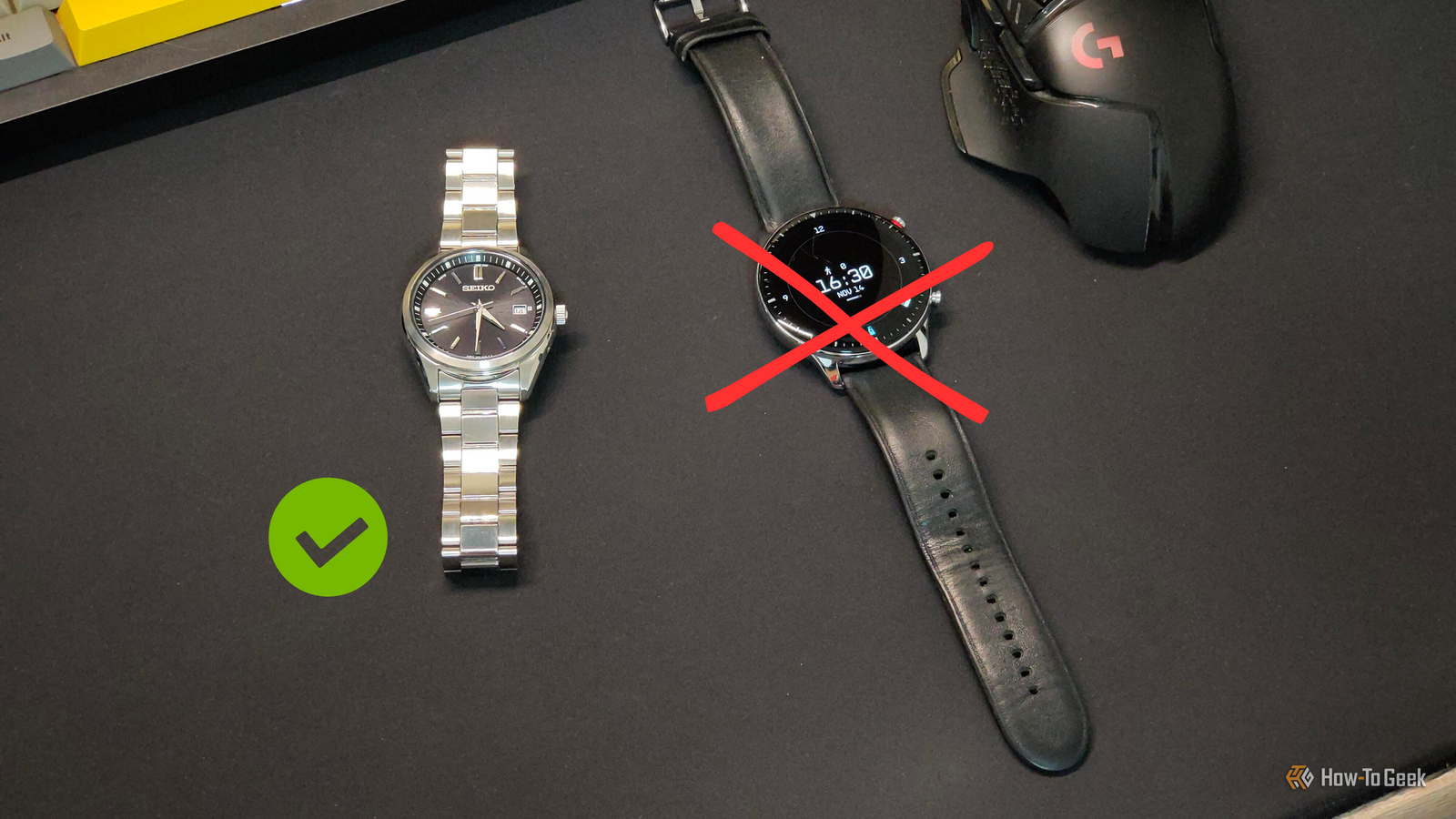
As a tech geek, I’ve always loved gadgets—smartwatches notwithstanding. But over the past few years, my preferences have shifted, and I’ve realized I don’t enjoy wearing my smartwatch the way I used to, which ultimately pushed me back into the world of traditional watches.
I realized I don’t actually care about smart features
When I first bought my Amazfit GTR 2 shortly after it launched, I was extremely excited about it, to say the least. I’d always liked watches and wore them occasionally, and as a tech nerd, I thought smartwatches were the coolest thing in the world.
On top of telling you the date and time, it could show the weather, control your smart home, play music, display notifications, track your sleep, heartbeat, and blood oxygen level, answer calls, and so on. The best part? You could customize the watch face, so you’d always have something fresh on your wrist.
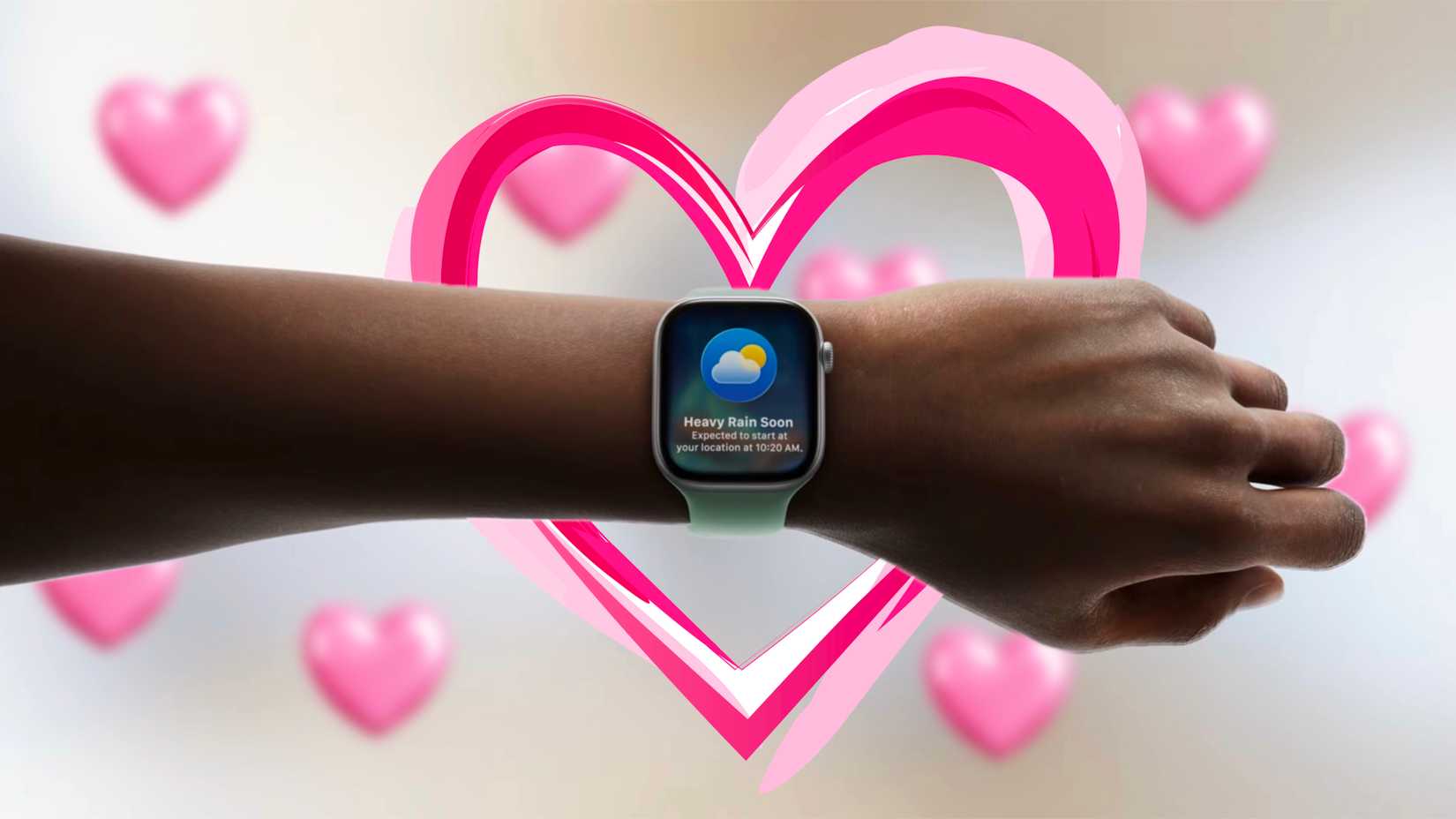
However, after five years of wearing my Amazfit GTR 2 every day, I’ve slowly realized that, one by one, I stopped caring about all the smart features it offers. When I first got the watch, I used it instead of my phone for things like checking the weather. I even used it to listen to music through my Bluetooth earbuds to save my phone’s battery while traveling, but using the watch became tedious and unnecessary 99% of the time.
Credit: Nathaniel Pangaro / How-To Geek | Apple
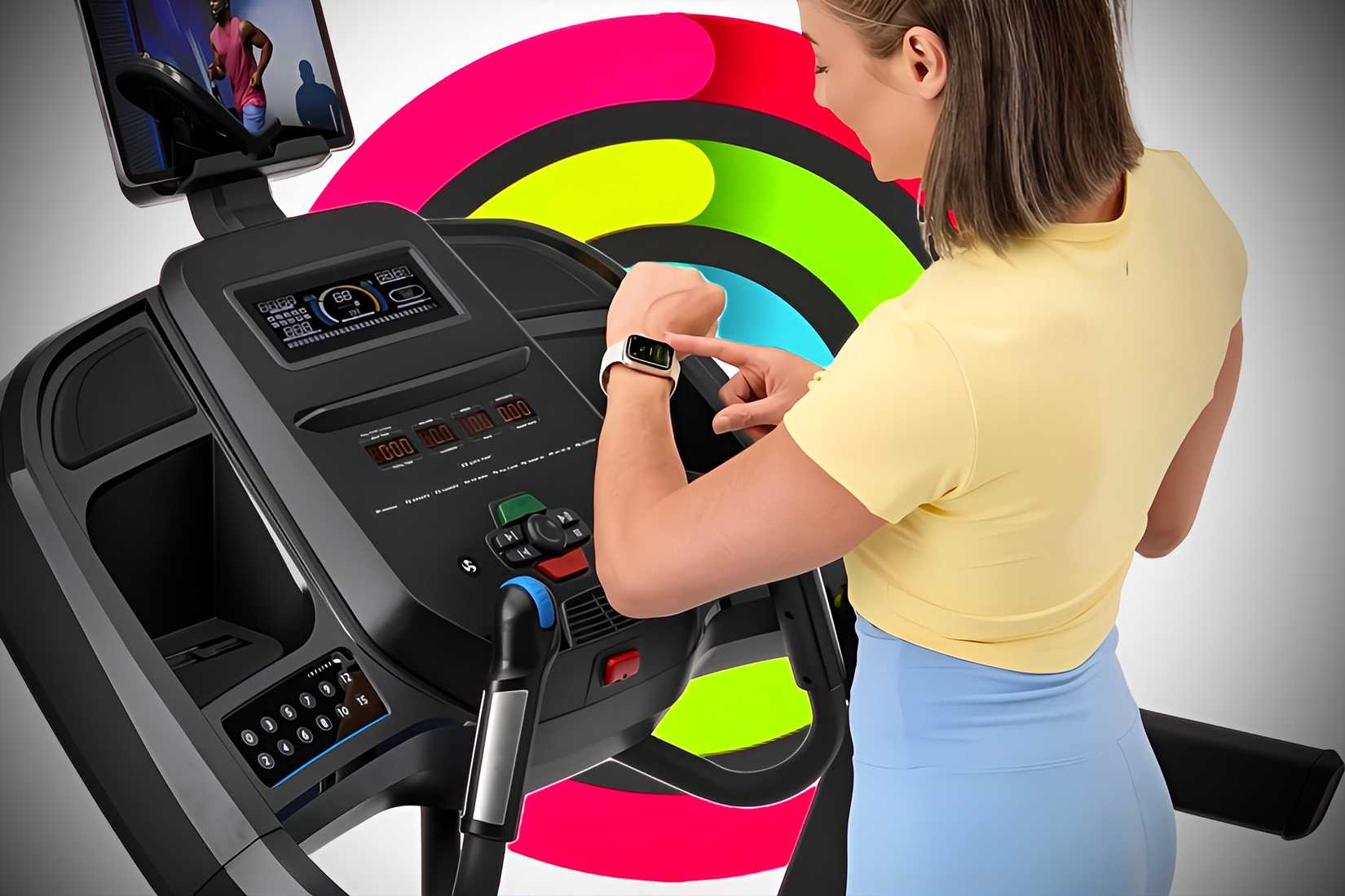
I also used it to track my workouts at the gym, but I eventually stopped wearing it because I didn’t really need to know how many calories I burned, my heart-rate zones, or whatever.
A smartwatch is a nuisance to wear at the gym, plus it can get scratched or damaged easily. Most importantly, though, the fitness metrics that actually matter to me can’t be tracked with a smartwatch—I’m talking about the intensity and quality of my reps or how much weight I lifted in a set.
Besides, I don’t need a gadget to tell me if my workout was good—I’ll feel it in the fatigue. The only thing I mildly liked was knowing how many steps I walked, it was a fun thing to track, but smartphones can do a fairly good job at that too, and that novelty wore off for me anyway.
Credit: Nathaniel Pangaro / How-To Geek | Apple | Horizon Fitness
This isn’t at all meant to bash people who use smartwatches or enjoy tracking their fitness goals—it’s just my personal experience. Call it personal growth, a loss of interest, or perhaps just a shift in lifestyle and preference.
If your smartwatch makes you more diligent about taking breaks from sitting, standing up more, or motivates you to gradually increase your fitness goals, that’s awesome, and I commend you for that. But as someone who goes to the gym five to six days a week, I find that functionality redundant. My smartwatch ended up staying at home for most of my workouts over the past few years.
Beyond fitness, another thing I liked my smartwatch for is the notifications. I keep Do Not Disturb permanently enabled on my phone, with my smartwatch’s mild vibrations acting as the replacement. However, over the past few months, I have realized that I need to stop checking my notifications right away if I want to focus on the task at hand. Whatever work or private message it is, it can wait. If something is actually urgent, someone will call me on the phone instead. Also, I check my phone every 30 minutes at a minimum anyway, so it’s not like the message will stay unanswered for too long anyway.
So, in the end, my smartwatch served almost the exact same functions as a regular watch—telling me the time and date at a glance.
Related
How Taking Off My Apple Watch Helps Me Disconnect at Home
Who decided being constantly connected was a good thing?
I thought smartwatches were convenient, but they’re not
I always thought that smartwatches being rechargeable and syncing with your phone so they’re always accurate was as good as it gets. Those who know a thing or two about horology are aware that manually-wound and automatic watches aren’t always super accurate, so they’re not ideal if you need to know the exact time to the second. Quartz watches are cheaper and can do a better job, but the battery can die on you at any given point (though it can last for years in some watches).
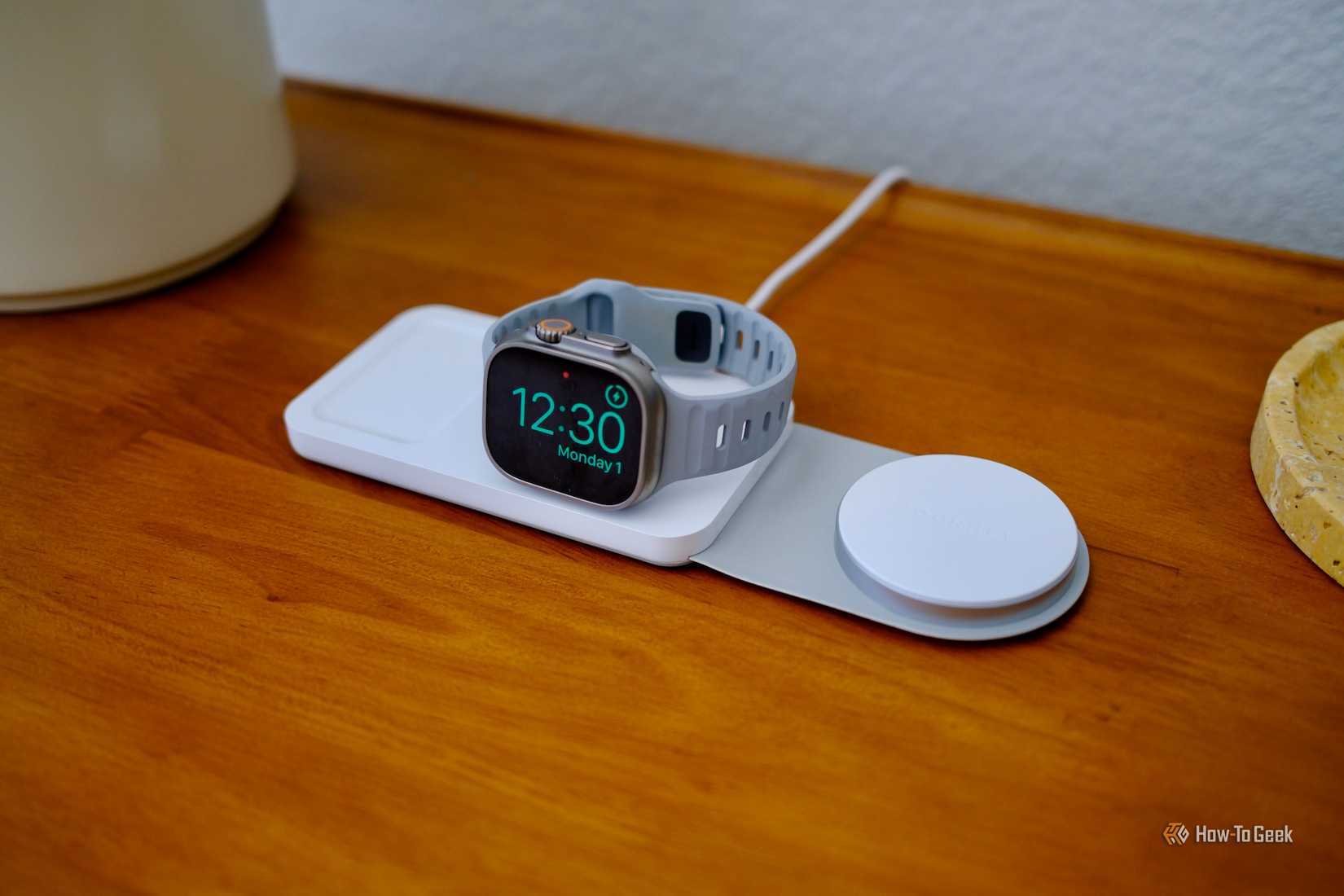
However, I was completely wrong. Even though my cheap smartwatch only needs to be charged once a week, it still needs to be charged. It ended up dying on me way too often. I’ve even run into situations where both my phone and smartwatch were dead at the same time, which sucked. Wearing a drained smartwatch on your wrist doesn’t feel good, to say the least.
Credit: Tyler Hayes / How-To Geek
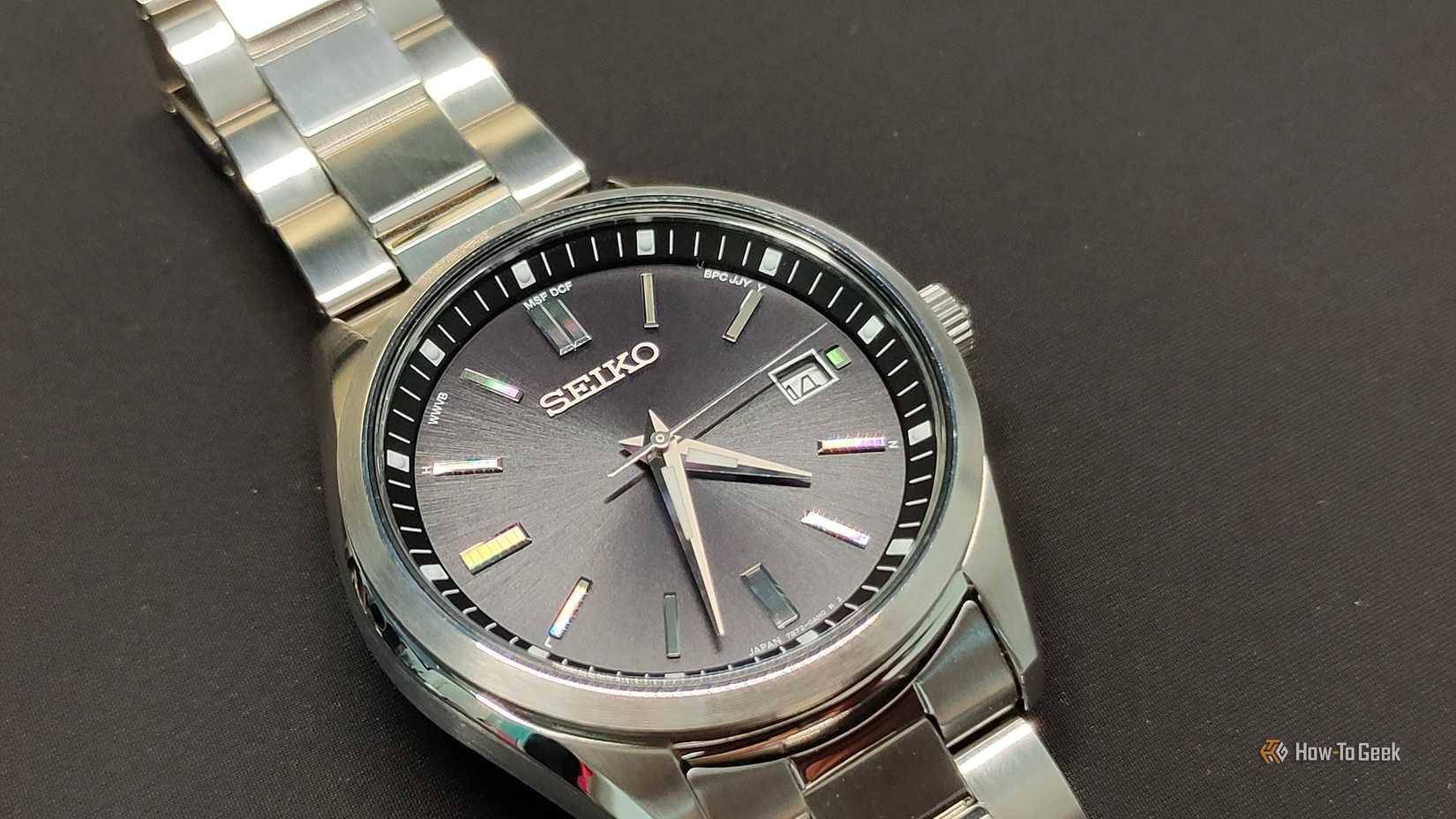
That’s when I discovered the beauty of solar watches. I picked up a JDM Seiko Selection SBTM323, which is a radio-controlled solar watch with a perpetual calendar. Radio-controlled means the watch syncs with the nearest longwave time signal tower—in my case, the DCF77 in Germany.
Solar means you basically never have to worry about charging, provided you wear the watch somewhat regularly; it can easily last 6–10 months on a full charge. Lastly, the perpetual calendar ensures the watch always shows the correct date (until the year 2100), including leap years.
This effectively means my watch is always accurate to the second and can’t run out of battery. It’s always charged, always accurate, and always ready to go.
A watch face can’t replace a beautiful dial
When I first got my smartwatch, I loved messing around with the near-infinite database of community watch faces available through apps like AmazFaces. However, over the years, I realized that most of them look kind of cringe (especially the ones that mimic real luxury watches) except for two: the Fallout Pip-Boy and the Starfield watch. Digital watch faces always feel flat and artificial, so the only way to make them look good is to treat the smartwatch as the display that it is. Trying to make it look like an actual watch never looks good, in my opinion.
In contrast, the world of real watch dials is vast, and the real deal has a timeless quality. It’s an actual dial with moving parts, and nicer watches look like pieces of art you can truly appreciate. Take the Grand Seiko-style indices on my watch as an example. They have thin vertical lines that reflect and bounce light, creating a chromatic effect that reminds me of my old Nexus 4.
Credit: Ismar Hrnjicevic / How-To Geek
As a side note, smartwatches in general tend to be oversized. Now that I have a “normal-sized” 39.5mm watch, my 47mm Amazfit GTR 2 looks and feels like a toy on my tiny wrist in comparison.
Smartwatches age like gadgets, regular watches age like watches
This topic has been covered ad nauseam, so I’ll keep it short—smartwatches don’t retain value well, especially compared to regular watches. Even a cheap $50 Casio that your dad bought thirty years ago is probably worth at least half its original value today, or more likely, it has increased in value as a vintage piece, assuming it’s in good condition.
In contrast, smartwatches are essentially disposable tech, like your smartphone or any other smart device. As new and shiny products come out, older models become obsolete and are no longer fashionable. I won’t discuss premium materials and finishing because even smartwatches can have sapphire crystals, titanium bracelets, ceramic cases, and other expensive components, but the problem is that these become irrelevant once the device is no longer supported.
The most extreme example of this problem is the infamous $17,000 18-karat gold original Apple Watch, which launched in 2015. It’s now an obsolete, unsupported product that hasn’t received updates in years. Worse still, you can’t even have it directly repaired by Apple. This is unheard of in the world of luxury watches.
I can’t find reliable information on how much it costs today on the used market, but it can’t be a lot, and demand just isn’t there. In contrast, if you had invested $17,000 in a luxury watch like a Rolex, Grand Seiko, Patek Philippe, or Omega, it would likely have retained most of its value or even increased, it’d still be serviceable, and it definitely would still be fashionable and trendy.
I’ll keep my smartwatch in rotation, but I’m never buying one again
Although I’m no longer in love with my smartwatch as I once was, that doesn’t mean I’m getting rid of it. It was a college graduation gift from my mom, and I specifically asked for it. In hindsight, I might say I wish I had asked for a regular watch, but on the other hand, it was what I wanted at the time, and I don’t regret it one bit.
Credit: Ismar Hrnjicevic / How-To Geek
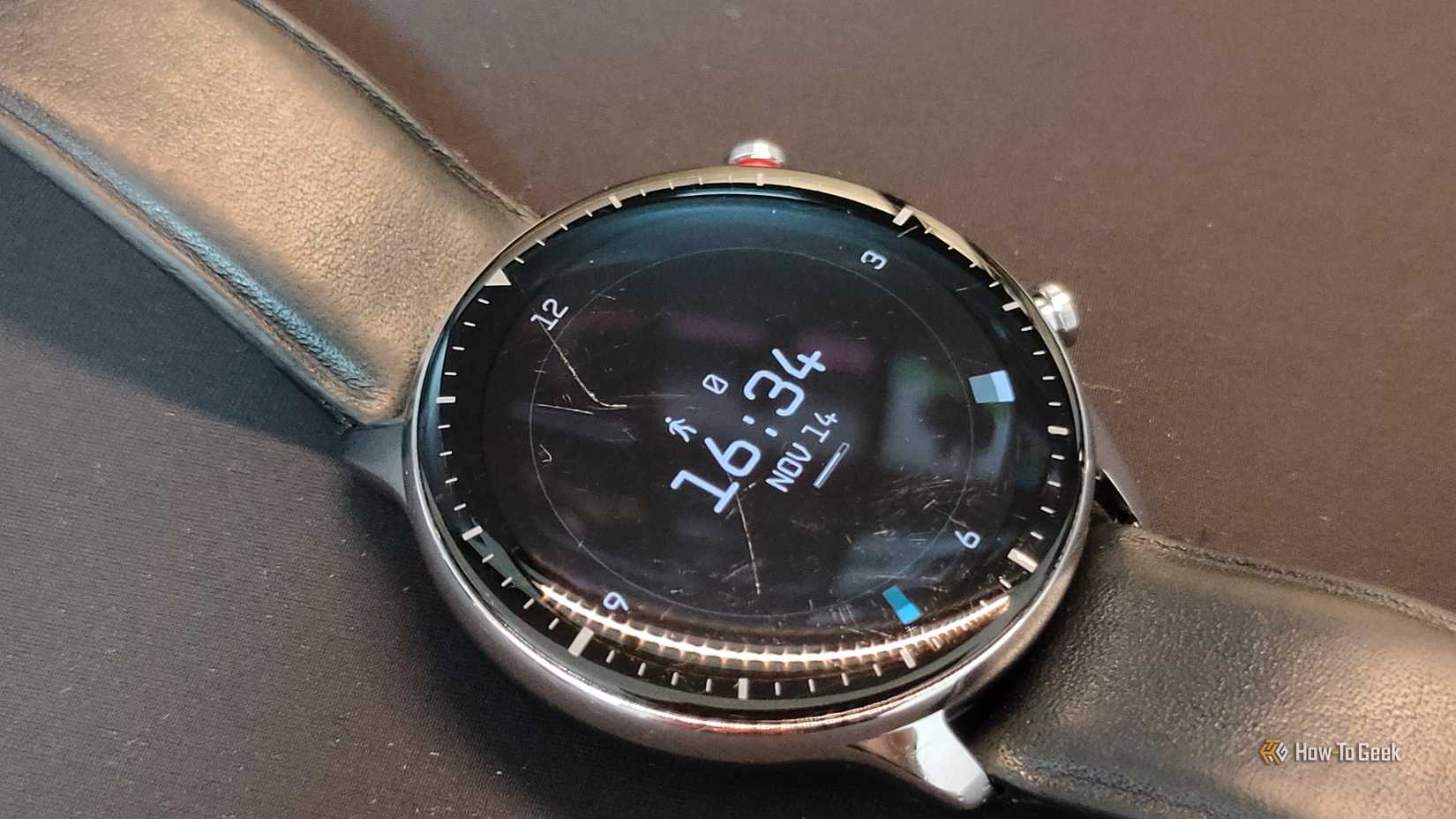
It’s been an awesome five years with it, and I’ll still wear it occasionally, perhaps as a beater. Its glass crystal is already scratched up, and replacing it is significantly more expensive than on a regular watch, so it’s not really worth the investment.
Related
I Thought Smartwatches Were Pointless, Then I Tried a Cheap One
After years spent writing off smartwatches as gimmicky wastes of money—it’s time to admit I was wrong.