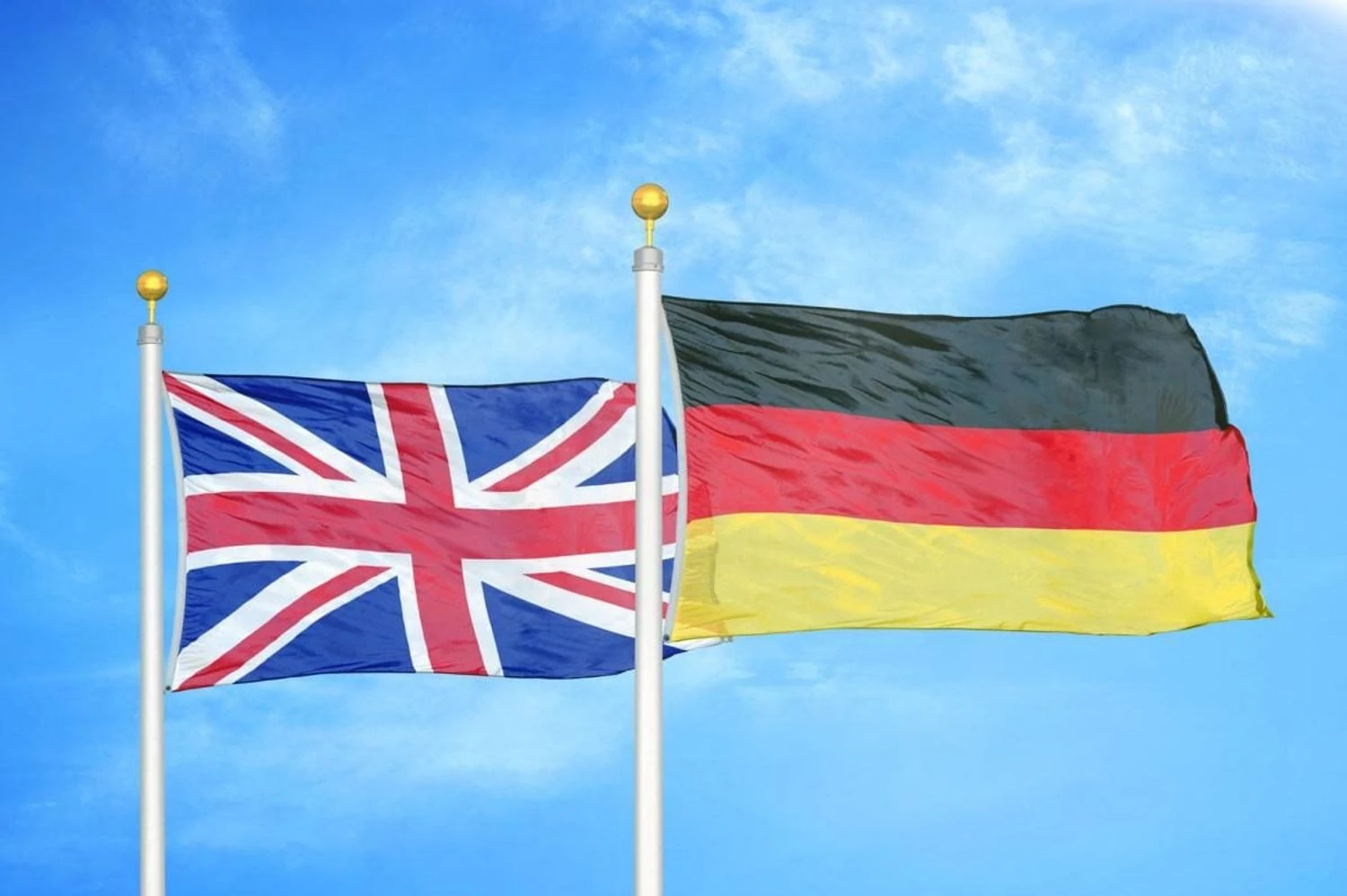
Germany is pushing for the European Union to reach a last-minute deal to grant the UK access to the bloc’s massive defense fund before a deadline at the end of the month, UNN reports with reference to Bloomberg.
Details
The parties are arguing over how much the UK should pay to participate in the €150 billion ($173 billion) fund — one of the EU’s largest initiatives, designed to help Europe rapidly build up its armed forces in the face of Russian aggression.
The European Commission, the EU’s executive body, has reduced the required amount from €6.75 billion to €2 billion, according to officials familiar with the situation. However, this amount is still significantly higher than the UK’s offer of several hundred million euros, a British government official said.
According to other sources familiar with the situation, Germany is urging negotiators to find a compromise. However, with the deadline for applications for funding expiring on November 30, time is running out.
The negotiations have become a serious complication in post-Brexit relations, sparking fierce debate about whether EU funds should primarily help member states and their companies or be provided to vital allies. This dispute is particularly relevant in security matters, given Europe’s urgent need for a collective build-up of its defense industry.
British Prime Minister Keir Starmer raised the issue on Tuesday in Berlin during a dinner with German Chancellor Friedrich Merz and French President Emmanuel Macron, one source said.
The €150 billion fund, known as “Security Actions in Europe” (SAFE), allows EU member states to borrow for investments in defense equipment produced primarily in the EU single market or in Ukraine.
This currently does not extend to the UK, although it is allowed to team up with eligible countries for joint procurement, some of which may be supplied from the UK.
However, there have long been discussions about granting the UK broader access.
According to an EU official, the commission, which negotiates on behalf of the EU, initially took a tougher stance than most member states. In addition to demanding an entry fee for the UK of €4 billion to €6.5 billion, Brussels requested administrative fees of €150 million to €250 million, as reported by Bloomberg.
However, the commission reduced the size of its request as the application deadline approached. The Financial Times was the first to report on the €2 billion proposal.
Countries disagree on the size of the contribution they want from the UK. France supports the UK’s admission, but preferably with a contribution closer to the commission’s proposal, they said on condition of anonymity. Germany considers the commission’s initial proposal hopeless and would prefer the parties to find a compromise, they added on condition of anonymity.
“The Commission is in close contact with the UK, but the contribution must be proportionate to the benefits the UK derives from its participation,” Commission spokesman Thomas Regnier said in a statement.
Addendum
The publication notes that at this stage, it is unlikely that the UK will gain full access to the fund before the deadline. However, according to a source familiar with the situation, the UK still hopes that the bloc will soften its position. Progress could be made this weekend when Starmer and European Commission President Ursula von der Leyen attend the G20 summit in South Africa.
The UK may also join the program in the future, the source added.
“The UK is committed to a broad and constructive relationship with the EU,” a UK government spokesman said. “We will only enter into agreements that deliver tangible benefits for the UK and for European security as a whole.”
Turkey, an important NATO ally, is also seeking access to the fund. However, these negotiations have not been successful.
Turkey argues that its defense industry is developing and vital for both regional security and migration control. The country believes it deserves to participate in security programs that link the EU and NATO military alliances.
However, EU countries, Cyprus and Greece, strongly oppose this. Both countries have long-standing territorial disputes with Turkey, which also maintains political and economic ties with Russia.
One senior EU official said that the prospect of Turkey joining would never be realistic.
According to sources familiar with the situation, if Turkey cannot gain access to the program, it will try to strengthen defense ties with individual allies, such as Italy, and sell its military equipment to more European countries.