(Credits: Far Out / Caribou Records / Public Domain)
Thu 20 November 2025 20:00, UK
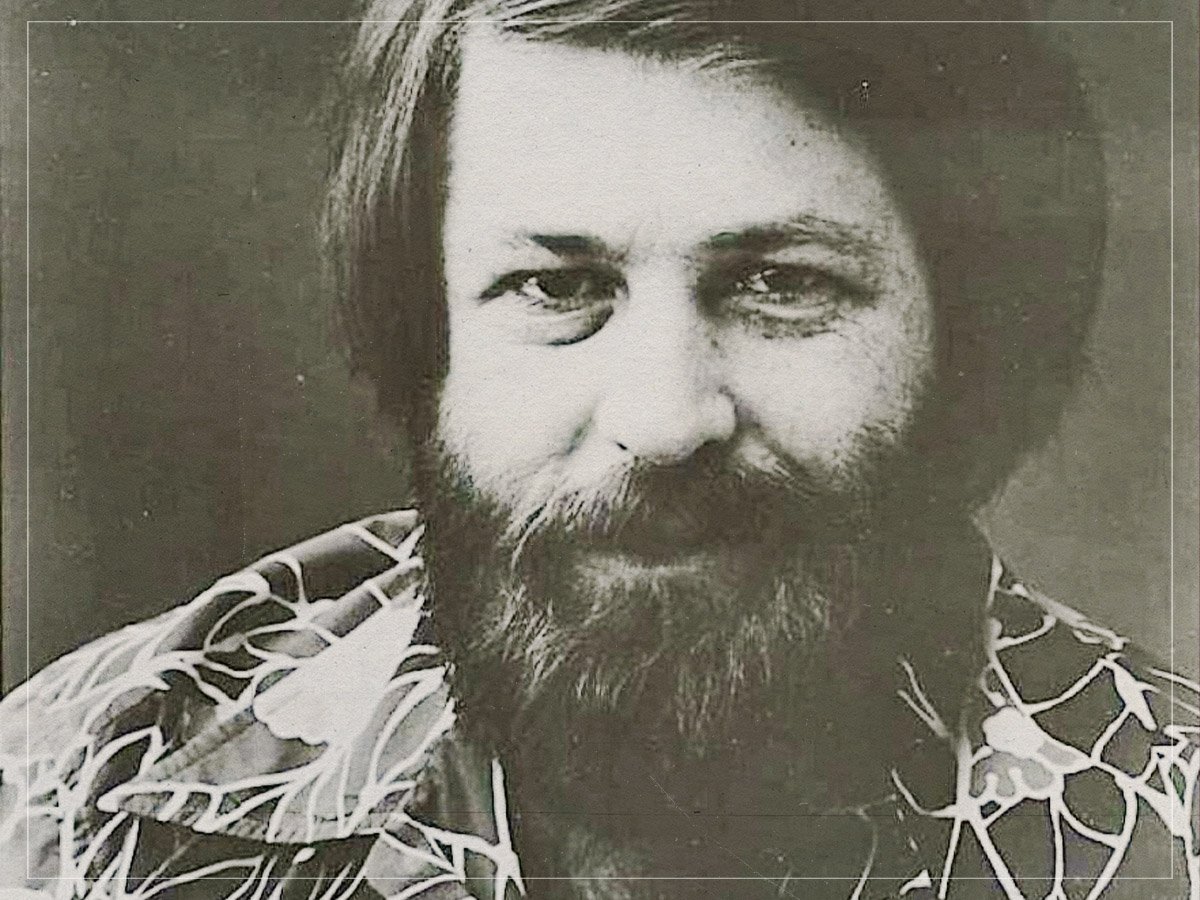
When Brian Wilson’s death was announced earlier this year, a staggering number of retrospectives on the man’s life and career made no bones about throwing around the “g” word. Nearly 60 years since Pet Sounds’ release, it’s easy to forget that there was a time when calling Brian Wilson a genius would have sounded ridiculous. The ‘Surfin’ USA’ guy?
Wilson, of course, was a far more talented songwriter than anyone realised or could have surmised from the Beach Boys’ earliest hits, but it took a lot more than hearing ‘God Only Knows’ to fully convert the general populace over to the idea that he was on the level of, say, Bob Dylan.
“A publicist came along by the name of Derek Taylor,” Wilson’s former lyricist and collaborator Van Dyke Parks recalled to Pitchfork in 2011. “He was the Beatles’ publicist and I introduced him to Brian.”
It was Derek Taylor who hatched the idea of launching a marketing campaign, leading up to Pet Sounds‘ release in 1966, that would widely promote Brian Wilson as an under-appreciated pop genius; something Parks later saw as a “mistake”.
“If nothing else, [the campaign] forced Brian Wilson to have to continuously prove that he’s a genius,” Parks said, “And not just a lucky guy with a tremendous amount of talent and a lot of people collaborating beautifully around him.”
And so we had the classic double-edged sword. Taylor’s marketing strategy had gradually planted seeds in listeners’ minds, and Pet Sounds and ‘Good Vibrations’ delivered some supporting evidence. Unfortunately, the newfound respect that followed also contributed to Brian Wilson’s subsequent struggles with substance abuse, as he felt the pressure (as Parks saw it) to keep raising the bar and re-proving his own greatness.
 The Beach Boys genius Brian Wilson. (Credits: Far Out / Alamy)
By the early 1980s, the genius narrative was still intact, but it had now morphed into something more akin to the Howard Hughes model – the tortured mind overburdened by its own complexities, turning its owner into a tragic recluse.
Wilson was unfit to tour or properly work in the studio during this period, as his struggles with drugs, overeating, and depression made it impossible. Even so, rumours would occasionally circle about new material and secret recording sessions; one of which was pretty well substantiated in the form of a bootleg tape dating from 1981, known to Beach Boys collectors as ‘The Cocaine Sessions’.
According to band lore – and to a handful of insiders who’ve spoken about it over the years – ‘The Cocaine Sessions’ took place in the early winter of ‘81 at a Venice, California beach house owned by a music professor named Garby Leon. The story goes that Dennis Wilson, also in rough shape by this period and battling his own addictions, coaxed Brian into working on some new demos by supposedly bribing him with hamburgers and cocaine. Mr Leon would later refute the latter claim, saying the recordings were far more burger-fueled than coke-fueled.
In any case, no label executives were notified, no other Beach Boys were invited, and no producer was present to keep things coherent. It was just the two brothers and Leon, a couple of reels of tape, a piano and a Hammond organ, and an atmosphere that veered between euphoric inspiration and barely controlled chaos.
The resulting recordings are a strange, fascinating, and sometimes heartbreaking listen. Among the poorly recorded, ghostly song sketches are early takes on ‘City Blues’, ‘I Feel Fine’, and ‘Oh Lord’, the latter of which certainly doesn’t seem like a haphazard, uninspired effort to get an extra burger. Brian actually sounds remarkably desperate and vulnerable on the haunting song, stretching his vocal chords to the limit and clearly trying to release something that had been pent up for a while. Hearing the man behind those insanely pristine 1960s Beach Boys hits sounding this lonely and lost through a sea of tape hiss is quite disturbing, but, because it’s Brian, still oddly beautiful.
Beyond the bootleg that’s been floating around for years, collectors believe that more songs were recorded during the “Hamburger Sessions”, to use a friendlier title, but they’ve never seen the light of day.
The fact that such mysteries can still exist around an artist this famous and well researched certainly adds to the mythological appeal of these demos. It also feels like a unique if brief window into Brian and Dennis’ relationship, coming just a year before the latter’s untimely death at just 39.
Related Topics