The specialised centre was supposed to open a week ago
14:18, 18 Nov 2025Updated 14:59, 18 Nov 2025
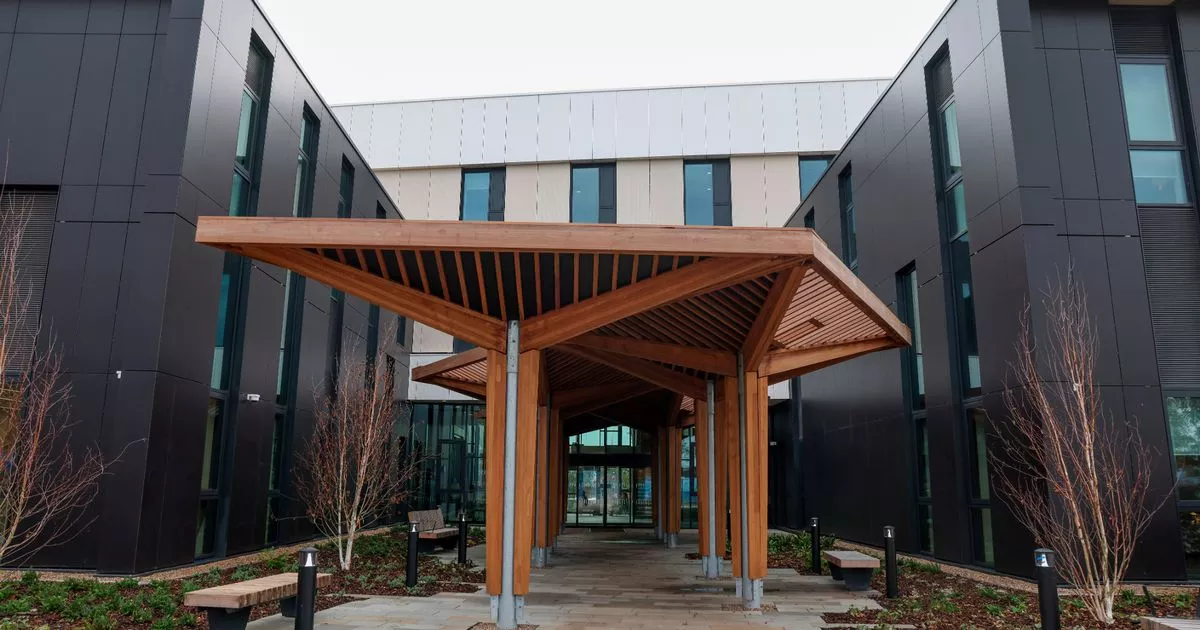
 The National Rehabilitation Centre on the Stanford Hall Estate near East Leake (Image: Joseph Raynor/ Reach PLC)
A new £105 million NHS facility in Nottinghamshire tasked with starting a ‘new era’ in healthcare has been delayed by a problem with its hot water system.
The 70-bed National Rehabilitation Centre (NRC), which will help people recover from serious injuries and illnesses from its brand-new building on the Stanford Hall Estate near East Leake, was due to welcome its first patients on Tuesday, November 11.
However, future operator Nottingham University Hospitals (NUH) has now announced that its opening has been pushed back until some time in the new year.
Anthony May, chief executive officer of the trust, said it was “disappointed” by the delay, which he explained was needed to ensure the quality of the centre’s water supply.
“Despite our extensive preparations, including training, staffing and operational readiness, we have not yet been able to accept the keys to the National Rehabilitation Centre from the building contractors,” Mr May said.
“The delay is due to an issue that has been identified in the hot water system.
“Our building contractors, Integrated Health Projects, are working to resolve the situation as quickly as possible to ensure the water quality meets the high standards required for this building and is not affected again in the future.”
NUH said patients who were going to be sent to the the NRC will continue to be cared for by staff at Nottingham City Hospital’s Linden Lodge. They will later be transferred to the new facility when it opens.
The trust will also be running other rehabilitation services for patients.
However, with the NRC building out of order, patients will have to wait longer to benefit from the advanced recovery equipment inside.
NUH previously said this includes “ground-breaking” and “cutting edge” technology, such as robots and the first 360 degrees hoist in Europe.
When it opens, the centre will treat people from across the region who have either suffered from a serious or potentially life-changing injury or illness.
This will include pancreatitis, fractures, broken bones and head and spine injuries.
Around 750 patients will use the centre each year, with stays expected to range from two weeks to three months.