It was a thorough pasting, and I’m not referring to the last 20 minutes of the Scottish rugby side’s collapse against Argentina last Sunday.
Nor do I think Edinburgh Council’s “corporate leadership team,” as the senior officers are known, are too worried about any damage to their reputation after a scathing audit report into the illegal use of unlicensed accommodation for the homeless revealed a catastrophic failure of leadership in a shambolic approach to an ongoing emergency. It’s all history now, they might argue, everything is above board and, to mix sporting metaphors, there is no need for a couple of injury-time stunners to get them out of bother.
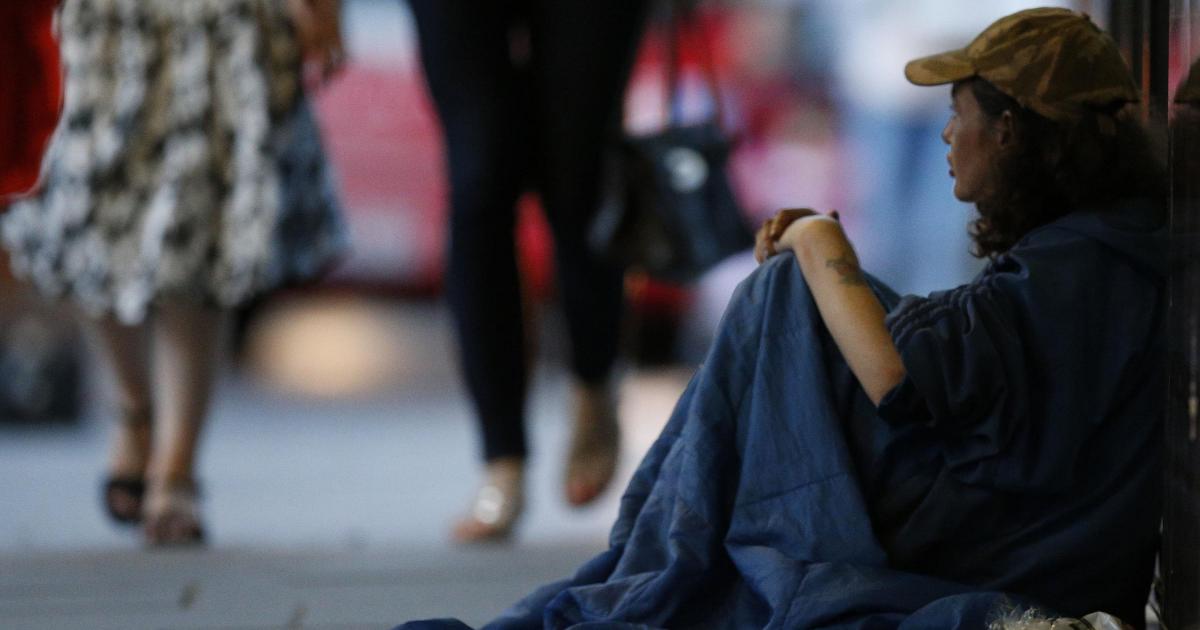
The report to this month’s Governance, Risk and Best Value (GRBV) Committee tracks back to the onset of the pandemic, when there was an urgent need to find places for approximately 3,500 households in temporary homeless accommodation across Edinburgh, and the council was forced to turn to unlicensed houses in multiple occupation (HMOs). You can imagine the set-up in these places… mouldy walls, broken flat-pack furniture, badly-fitted vinyl flooring, a queue for the single loo and shower and a pile of dirty crockery in basin of greasy, cold water. And the proprietors charging the council rates which wouldn’t be out of place in a Mayfair members’ club.
Read more:
It was envisaged that the emergency would be over in a few months and normal regulations could be reapplied, but a combination of the war in Ukraine – around 10,000 displaced Ukrainians arrived in the capital from February 2022 − and the spike in the cost of living, meant that by the end of August 2024, the number of homeless people in Edinburgh had risen by 43 per cent to just over 5,100.
Despite knowing it was illegal, the council continued placing homeless people in unlicensed HMOs, until late last year the authority’s Chief Legal Officer Nick Smith insisted the practice had to stop or at the very least be reported. His intervention led to the suspension of normal letting policies for council-controlled accommodation, a policy which is still in place. The effect of all this was clear from data published by The Herald this week, which shows Edinburgh has a far lower rate of failure to meet the legal requirement to accommodate the homeless than most other authorities, particularly Glasgow, having dealt with the spike of presentations by using illegal accommodation and then de-prioritising other local applications.
But it has come at a cost. Like most capital cities, Edinburgh is on a hiding to nothing, an economic magnet for people looking for opportunities, but without the resources to cope. The council is caught between the legal requirement to house the homeless as soon as they appear, but also to ensure the places they are sent meet legal standards and unscrupulous landlords can take full advantage. They are, Labour councillor Katrina Faccenda told GRBV, “a cartel of owners who have too much influence and too much importance to us.”
A Freedom of Information request revealed just how much, with Edinburgh spending over £26 million on emergency bed & breakfast and hostel accommodation in 2024-25. Out of around £100 million across all Scottish Councils, it’s a clear illustration of the disproportionate pressure the capital is under, and was around half of Edinburgh’s £53 million bill for tackling homelessness.
It is very much in Edinburgh council’s interests to get all this out in the open, and to exert maximum pressure on the Scottish Government to recognise the strain on the city. The GRBV audit report indicated, not for the first time, that openness and transparency is, to put it politely, not the authority’s default position. Whether by deliberate deception or not, the report exposed in painful detail how the use of illegal properties continued because internal advice was not quickly acted upon, risk was downplayed and accountability was lacking.
The service reacted to demand, reports were proposed but not delivered and councillors were kept in the dark. But is also emerged from the committee debate that successive housing conveners, the SNP’s Kate Campbell and Labour’s Jane Meagher, might have known more than they let on. It certainly wasn’t either of them who rang the alarm, as political scrutineers are supposed to do.
My former colleague, Cllr Phil Doggart bluntly suggested officers had lied, to which the chief executive Paul Lawrence took predictable umbrage. Cllr Jo Mowat referred to “heinous omissions” and the committee chair, the SNP’s Simita Kumar asked why there had been two years of inaction when something could have been done.
Although Mr Lawrence was only appointed in May 2024, as Director of Place with responsibility for housing he played a significant part and his rather weak explanation was the corporate leadership team could not agree what to do. Seemingly caught in the headlights, they essentially chose to do nothing until Mr Smith put his foot down.
But hold on a minute. Surely, the buck stopped with then chief executive, Andrew Kerr, who was being paid nearly £200,000 a year to make decisions, and for that kind of money they were not all going to be easy. Surely it was Mr Kerr’s job to weigh up the advice, particularly that of the legal team, make a decision, and communicate it? It now appears he simply failed in his duty to lead, and only Mr Kerr knows if he ducked a hard choice because retirement was beckoning.
It worked out in the end for Mr Kerr, because this year he was appointed as a non-executive director to advise the UK Government’s Scotland Office, but if I was new Scotland Secretary Douglas Alexander, I’d be very careful about listening to someone who allowed such an embarrassing debacle to unfold.
History this all it may be for Mr Kerr, but Edinburgh lives with the consequences, and the only sustainable way out is for more homes to be built. This week, a masterplan for over 1300 new houses next to the city bypass was approved and they can’t come soon enough.
John McLellan is a former Edinburgh Evening News and Scotsman editor. He served as a City of Edinburgh councillor for five years