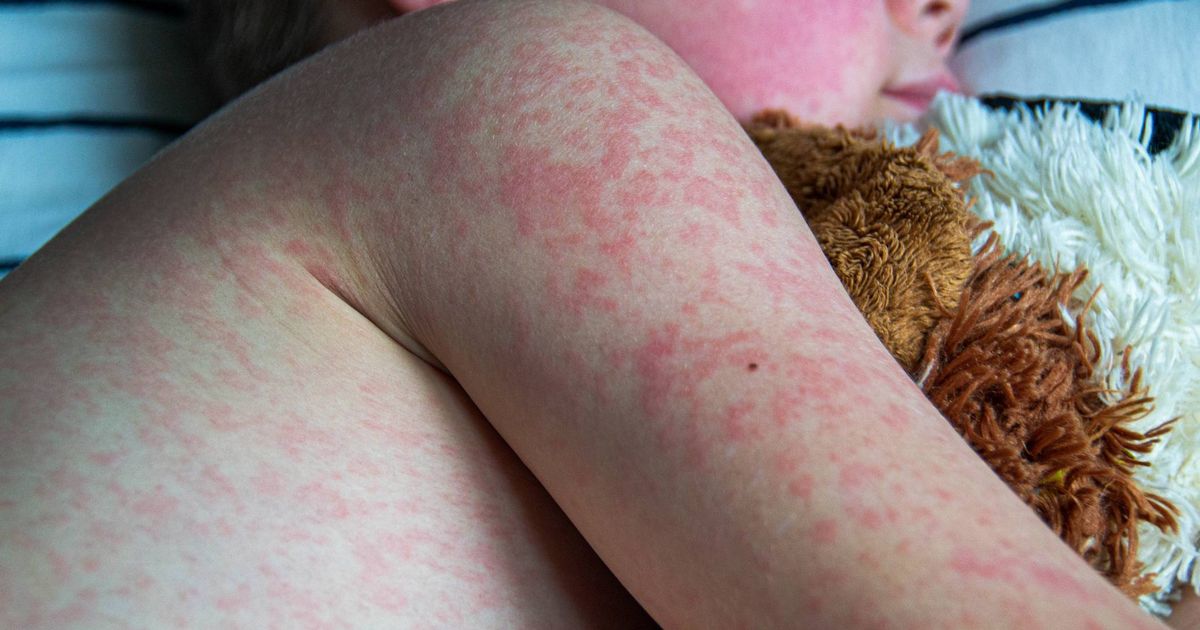
The latest statistics have been released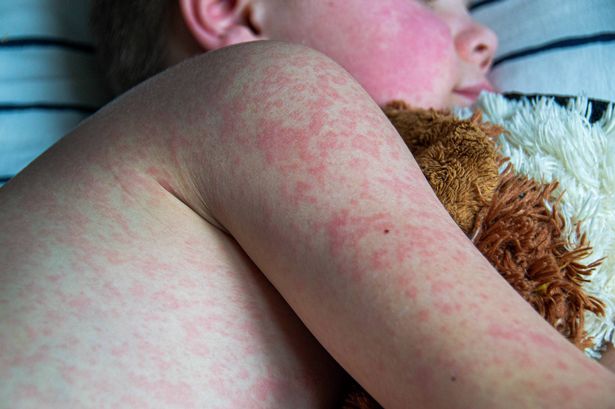 A child with measles
Cases of the viral infection measles are spreading in Greater Manchester, new official figures reveal. More cases have been confirmed this year in Salford than anywhere else in Greater Manchester, but latest statistics show cases have now increased in Oldham and Manchester.
The data means measles is spreading in all three areas of Greater Manchester. A total of 42 cases of the highly-infectious illness have been recorded in Salford since the start of the year. Only four other areas in the country have seen more laboratory-confirmed cases in England, the latest statistics from the UK Health Security Agency (UKHSA) reveal.
They are Bristol, Birmingham and Hackney in London, where the most cases in the country – 112 – have been confirmed by medics. The figures are the most up-to-date available and cover a period from January 1 to November 17.
In Salford, it represents an increase of three cases in the city over three months. The UKHSA statistics also show a rise in recent cases in Oldham (10 cases) and Manchester (11 cases). The data is provisional and subject to change, however, as more suspected cases undergo confirmatory testing, said the UKHSA.
The published figures don’t include any areas with fewer than 10 confirmed cases.
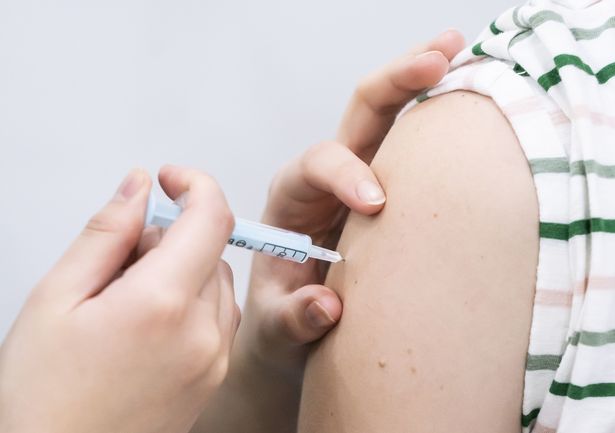 A vaccine being administered(Image: PA)
Only Salford, Manchester and Oldham appear on the most recent list. Oldham and Manchester didn’t feature on the list published before this one.
The UKHSA – which works to prevent, prepare for and respond to infectious diseases and environmental hazards – said England saw 2,911 laboratory-confirmed measles cases in England last year, the highest number of cases recorded annually since 2012. Since January 1 this year, there have been 847 laboratory-confirmed measles cases reported in England.
Presenting the statistics, the UKHSA said: “Measles case numbers started to increase in April 2025 with outbreaks particularly affecting London and the North West regions. However, since mid-July activity has stabilised.
“In 2025, one acute measles-related death occurred in a child who was known to have other medical conditions.”
Measles can be a very serious illness for some people and can be deadly. Babies and people with weakened immune systems are more at risk from complications, which can include pneumonia, meningitis, and seizures.
The UKHSA explained that measles is ‘nearly twice as contagious’ as a common cold, as well as being more infectious than Covid-19. One person with measles can infect 15 others, says the health body. Health bosses and doctors alike are urging families to get protected, with the best method being the vaccine for measles.
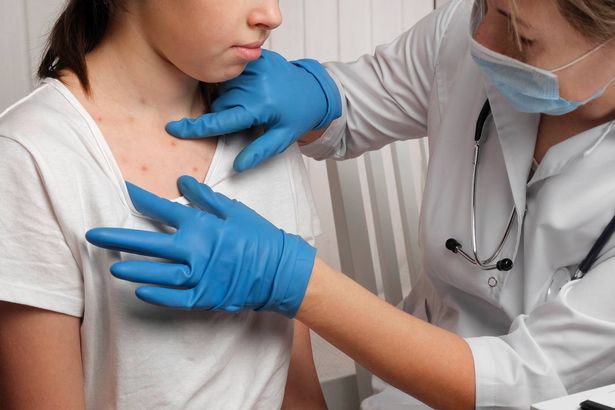 It’s highly infectious(Image: Getty Images)
Doctors have stressed the rise in measles is coming from a ‘poor uptake’ of the MMR vaccine across the country – an uptake that has fallen over the last decade.
Not a single childhood vaccine in England last year met the target needed to ensure diseases cannot spread among youngsters, new figures revealed in August.
Some 91.9 per cent of five-year-olds had received one dose of the MMR (measles, mumps & rubella) vaccine, unchanged from 2023/24 and the lowest level since 2010/11. Just 83.7 per cent of five-year-olds had received both MMR doses, down year on year from 83.9 per cent and the lowest level since 2009/10.
Uptake of the first MMR dose at 24 months stood at 88.9 per cent in 2024/25 – unchanged on the previous year, but again the lowest figure since 2009/10.
Symptoms of measles appear seven to 10 days after contact with the virus and include cold-like symptoms such as runny or blocked nose, sneezing and cough; red, sore, watery eyes; a high temperature (fever), which may reach around 40C; a non-itchy, red-brown rash which usually appears three to five days later or small white spots which may appear inside cheeks and the back of lips.
If your child develops symptoms a fever, cough, runny nose, red eyes, followed by a rash, please stay home and ring your GP or NHS 111.