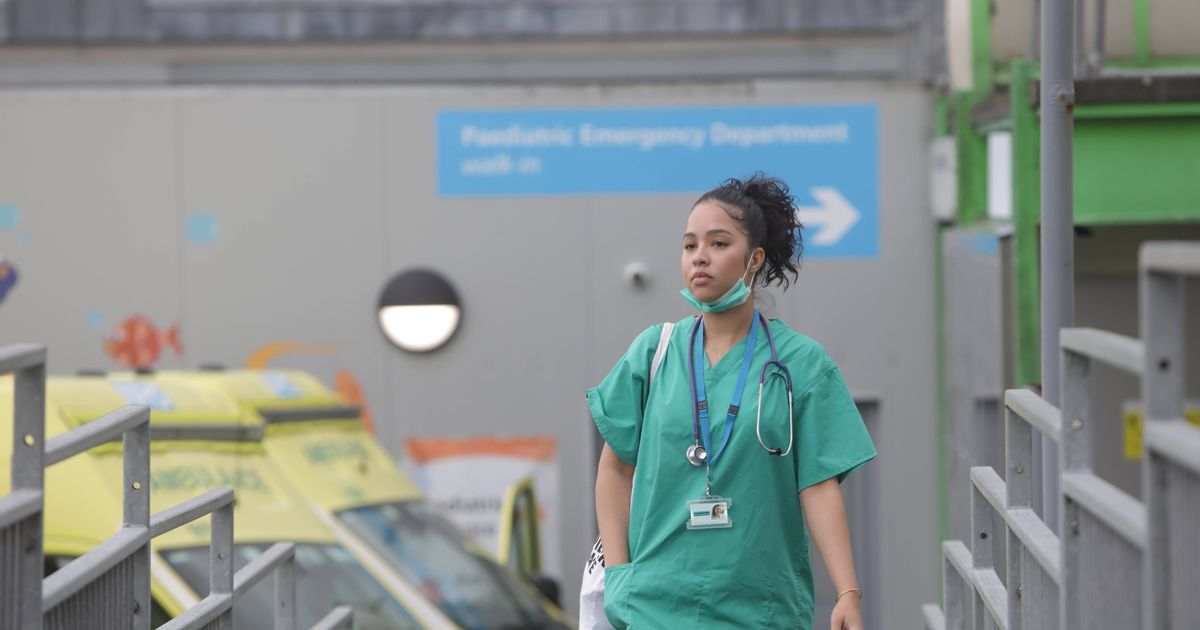
The UK has seen a rise in norovirus cases, with the total surpassing the five-season average during the winter of 2024/2025Charlotte Smith Senior Lifestyle Content Editor and Tom Kershaw Head of Live News
14:05, 24 Nov 2025
 The UK has seen a rise in norovirus cases, with the total surpassing the five-season average during the winter of 2024/2025(Image: Peter Cade via Getty Images)
The NHS has issued an urgent appeal to the public, asking them not to attend hospitals if they are displaying two particular symptoms, as cases of a winter illness continue to climb. Britain has recently experienced a spike in norovirus cases, with figures exceeding the five-season average throughout the winter of 2024/2025.
The current 2025/2026 season is similarly seeing an upward trend, though recent statistics indicate that this rise may be levelling off and remains within anticipated levels for this period of the year. Nevertheless, this surge is partially due to a variant called GII.
17, which is re-emerging and driving an increase in infections. Some individuals may be infected with it on multiple occasions. GII. 17 is a genotype of norovirus recognised for causing outbreaks of acute gastroenteritis and is extremely infectious.
This variant is supplanting the long-dominant GII. 4 genotype and has lately become the most frequently detected type, leading to a substantial rise in cases. GII. 17 is not a novel variant; it was initially detected several years ago. It became the predominant form of norovirus in certain areas during the 2014-2015 season, and now it’s experiencing a comeback this year.
The UK Health Security Agency (UKHSA) states: “This means that people who have already had norovirus this season may catch it again, as having one genotype does not fully protect against the other. However, at present there is no indication that either GII.17 or GII.4 leads to more severe illness.”
The surge in cases is placing significant strain on hospitals, NHS England has confirmed. To help alleviate pressure on the health service, hospitals have launched a ‘please stay away’ plea to anyone displaying two key symptoms associated with the bug, reports The Mirror.
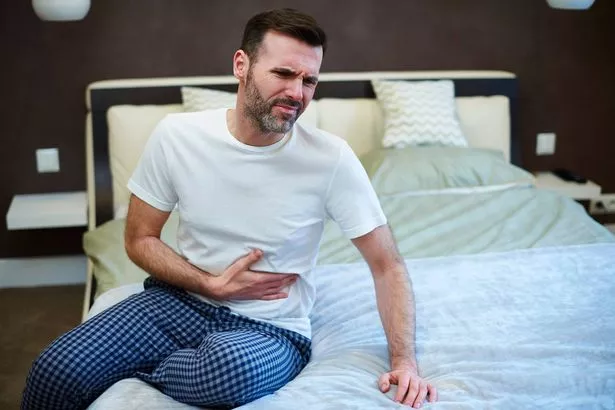
In a Facebook post, North Tees and Hartlepool NHS Foundation Trust shared a video message from an emergency care nurse urging people to stay at home. She said: “If you’ve been unlucky enough to have any diarrhoea or vomiting in the last 48 hours, could you just please wait to visit your relatives in hospital. You might feel better, but you could still have the infection to pass it on to your loved ones, thank you.”
The hospital’s accompanying message read: “Had sickness or diarrhoea? Please don’t visit our hospital wards until you have been free of these symptoms for 48 hours. Help stop the spread of infection this winter to protect your local community, loved ones and healthcare services.”
What are the symptoms of norovirus?
According to the NHS: “Norovirus, also called the winter vomiting bug, is a stomach bug that causes vomiting and diarrhoea. It can be very unpleasant, but it usually gets better in about two days.”
Whilst commonly known as the winter vomiting bug, norovirus can occur at any time of year. The main symptoms of norovirus usually appear suddenly and may include:
You may also experience:
- a high temperature
- a headache
- tummy pain
- body aches and pains
Can you treat norovirus yourself at home?
If you or your child are suffering from norovirus, it’s typically manageable at home. “You’ll usually start to feel better in two to three days,” advises the NHS.
Symptoms such as diarrhoea and vomiting can generally be handled at home, with hydration being of utmost importance – drink plenty of fluids to avoid dehydration.
- Do stay at home and get plenty of rest
- Do drink lots of fluids, such as water or squash – take small sips if you feel sick
- Do carry on breast or bottle feeding your baby – if they’re being sick, try giving small feeds more often than usual
- Do give babies on formula or solid foods small sips of water between feeds
- Do eat when you feel able to – it may help to avoid foods that are fatty or spicy
- Do take paracetamol if you’re in discomfort – check the leaflet before giving it to your child
- Don’t have fruit juice or fizzy drinks – they can make diarrhoea worse
- Don’t make baby formula weaker – use it at its usual strength
- Don’t give children under 12 medicine to stop diarrhoea
- Don’t give aspirin to children under 16
Can a pharmacist assist with norovirus?
A pharmacist should be consulted if you or your child (aged five years or older) has norovirus and shows signs of dehydration, like dark, strong-smelling urine or urinating less than usual. If you’re elderly, have a compromised immune system, or have other health conditions that increase your risk of dehydration, or if you need to stop diarrhoea for a few hours, it’s advised to seek medical help.
They may recommend using oral rehydration powder, which can be mixed with water to make a drink.
What leads to the spread of norovirus?
Norovirus is caused by a virus that spreads through faecal matter and can easily be passed on to others. You can catch norovirus from:
- close contact with someone with norovirus
- touching surfaces or objects that have the virus on them, then touching your mouth
- eating food that’s been prepared or handled by someone with norovirus
- drinking unclean water or infected food
Regular hand washing, cleaning toilet seats, flush handles, taps and bathroom door handles, and minimising contact with others as much as possible can help lower your risk of contracting norovirus.
The NHS cautions: “Do not go to school, nursery or work until you have not been sick or had diarrhoea for two days. Do not visit others in hospitals or places like care homes until you have not been sick or had diarrhoea for two days.”
Get all the latest and breaking Huddersfield news straight to your inbox by signing up to our daily newsletter here.