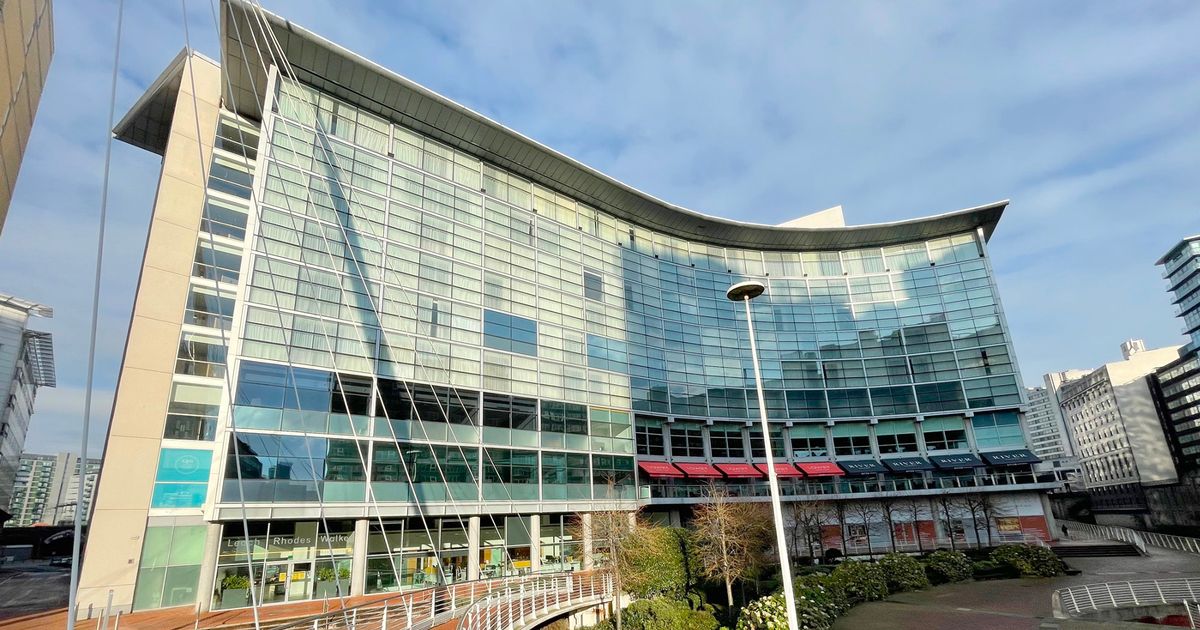
The government will allow mayors to implement a tourist tax from next year, something Andy Burnham and Bev Craig welcome – but there is opposition and uncertainty within the industry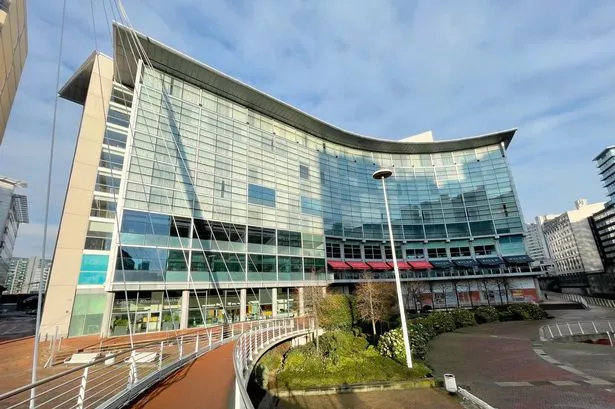 The Lowry Hotel in Salford (Image: Manchester Evening News)
The organisation running Manchester’s ‘city visitor charge’ has issued a statement after Andy Burnham was told he could introduce a so-called tourist tax.
The government confirmed on Tuesday (November 25) it plans to give mayors like Andy Burnham powers to levy ‘modest charges’ for overnight stays from next year as ministers believe it will allow mayors to ‘put more money into local priorities’ and ‘invest in their communities’.
The move is something the Greater Manchester mayor has long campaigned for, pointing out Mancs pay similar fees when visiting Italian, French, and German cities. Unsurprisingly, Mr Burnham called the announcement ‘great news’, suggesting ‘the levy will allow us to invest in the infrastructure visitors need, like keeping our streets clean and enhancing our public transport system through later running buses and trams’.
Now, the Manchester Accommodation BID which has administered the opt-out £1-per-night ‘city visitor charge’ since April 2023 says it will work with Mr Burnham over the move. A spokesperson said: “Manchester was the first destination in the country to create a fair mechanism to generate additional funding that is now already successfully delivering for our city centre accommodation providers.
 (Image: Kenny Brown | Manchester Evening News)
“The Manchester Accommodation BID puts accommodation providers in direct control, with activity agreed by – and specifically impacting – the accommodation sector with incremental business growth and benefits for the whole city, including cleaner streets, more events, and greater promotion opportunities.
“The Manchester Accommodation BID is committed to ensuring its continued success and future plans, and as such, we will open dialogue with the mayor’s office during the consultation period over the coming weeks.”
The vast majority of Greater Manchester tourists visit Manchester itself, frequently stopping by The Etihad for a City match or Co-op Live for a sold-out gig. Council leader Bev Craig has welcomed the move, saying it shows the government is listening to northern cities.
She added: “As Manchester grows and continues to build its presence on the world stage it’s important that we have the financial backing to ensure that Manchester can live up to its reputation.
“Manchester is the third most-visited city in the UK outside London and Edinburgh. Renowned for its arts, culture, sport and nightlife Manchester has set the benchmark for what a growing city can achieve and why more people than ever are choosing to visit.
“With an already thriving tourism sector, with a growing number of hotels Manchester led the way in creating a £1 charge on visitors staying in hotels through the Accommodation BID to help share out our city’s prosperity and reinvest in much needed services and activities to keep our city centre attractive.
 (Image: ABNM Photography)
“Since its inception it has been a great success, driving investment back into our visitor economy and ensuring that Mancunians benefit from international tourism. We look forward on working with the government on a tourist levy and Manchester City Council will continue to make the case that Manchester’s success is felt by the people and businesses who make it special.”
Pro-devolution thinktank Centre for Cities has also campaigned for the tax, telling the Local Democracy Reporting Service earlier this month it would help ‘grow the economy’. It also welcomed the move, but chief executive Andrew Carter sent a message to the mayor.
“A nationally fixed and flat ‘Welsh-style’ tourist tax risks imposing costs on the visitor economy for minimal benefits to growth. A ‘Scottish-style’ percentage rate controlled by the mayors would provide them with much stronger financial incentives to grow the economy and allow for reduced bills for lower demand places and cheaper accommodation,” he explained.
“Mayors who do decide to collect a tourist tax must commit to supporting the growth of their visitor economy. The government must design the tourist tax powers to maximise mayors’ incentives to pursue growth of their local economy, and by extension, the national economy too.”
 (Image: Kenny Brown)
But there is scant support from the hospitality industry’s lobby group, UKHospitality. Its chair, Kate Nicholls, has slammed the move.
She said: “It will effectively increase the rate of VAT to 27pc for people who want to enjoy a holiday in the UK – making it one of the highest tax rates for consumers in Europe. Make no mistake – this cost will be passed directly onto consumers, drive inflation and undermine the government’s aim to reduce the cost of living.
“It’s important that the government has paused to consult. We will be working hard with the Chancellor’s team to highlight the damage this will do to the cost of living.”
For Greater Manchester visitors to pay the tax, the proposal needs to be approved following a 12-week public consultation, and become law. It would then require the mayor to take up the option to introduce the tourist tax locally, meaning it could be years before it is reality.