
The ex-Mayor, who is set to stand trial over corruption allegations, has forced the release of information from the council he used to run Former Mayor of Liverpool Joe Anderson(Image: Liverpool ECHO)
Former Mayor of Liverpool Joe Anderson has won a battle with Liverpool City Council over his requests for information from the local authority that he ran for more than a decade.
The former city leader made a complaint to the Information Commissioner’s Office (ICO) having submitted Freedom of Information requests to Liverpool City Council for information regarding communications between council staff, contracts and the sale of various properties. The council provided responses to parts of the request but not others – stating that elements referred to personal information.
However, the ICO – a public body which upholds information rights – has now ruled the council is not able to withhold the requested information and has given the local authority 30 days to disclose it, or potentially be held in contempt of court.
Having led Liverpool Council from 2010, Anderson, now 67, became the city’s first directly elected mayor in 2012. This was a position he held until December 2020 when he was arrested by Merseyside Police as part of the force’s Operation Aloft investigation into building contracts in the city.
Last week, the former mayor appeared before Manchester Crown Court where he pleaded not guilty to bribery, misconduct in public office and conspiracy to commit misconduct in public office. He is set to stand trial alongside former city council figures in 2027.
The ICO decision shows Anderson had made a request to the council under the Freedom of Information Act seeking various pieces of information.
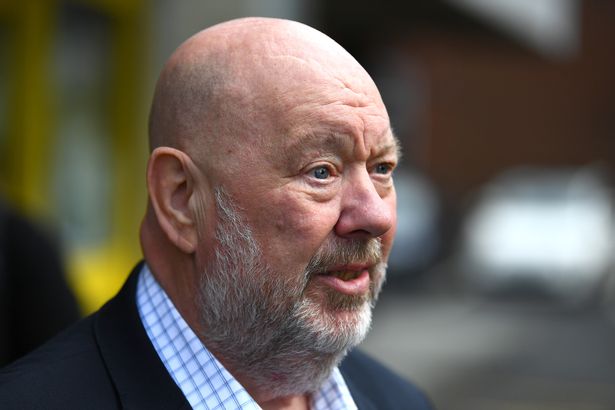 Former Mayor of Liverpool Joe Anderson
This included correspondence between senior council figures in which his name was mentioned, copies of reports where his name was mentioned and other documents related to the sale of council properties and other matters.
In July, the council disclosed some redacted information to Anderson, but he complained his request had not been complied with because aspects had been withheld or heavily redacted.
In August, the council disclosed more information, but Anderson complained again some key documents and information was missing.
The ICO report states the city council argued redactions were made to protect third-party personal information. It confirmed many officers mentioned in the records no longer work for the council.
It was also pointed out that the elected members referenced are no longer serving as councillors.
The council’s view, the report states, was to disclose that unredacted documents would be likely to cause damage or distress to individuals who no longer work for the council, and to council employees who are not senior officers.
The ICO said it reviewed all the information the council was continuing to withhold under section 40(2) – a ‘personal information’ exemption which protects a third party’s data from disclosure.
The government body then ruled the council was not entitled to rely on this section of the law to withhold the information in question.
The ICO decision stated: “Having viewed the withheld information, the commissioner has determined the fundamental rights and freedoms of the individuals whose personal data has been withheld, is outweighed by the legitimate interest considerations.”
Liverpool Council was approached for a response.