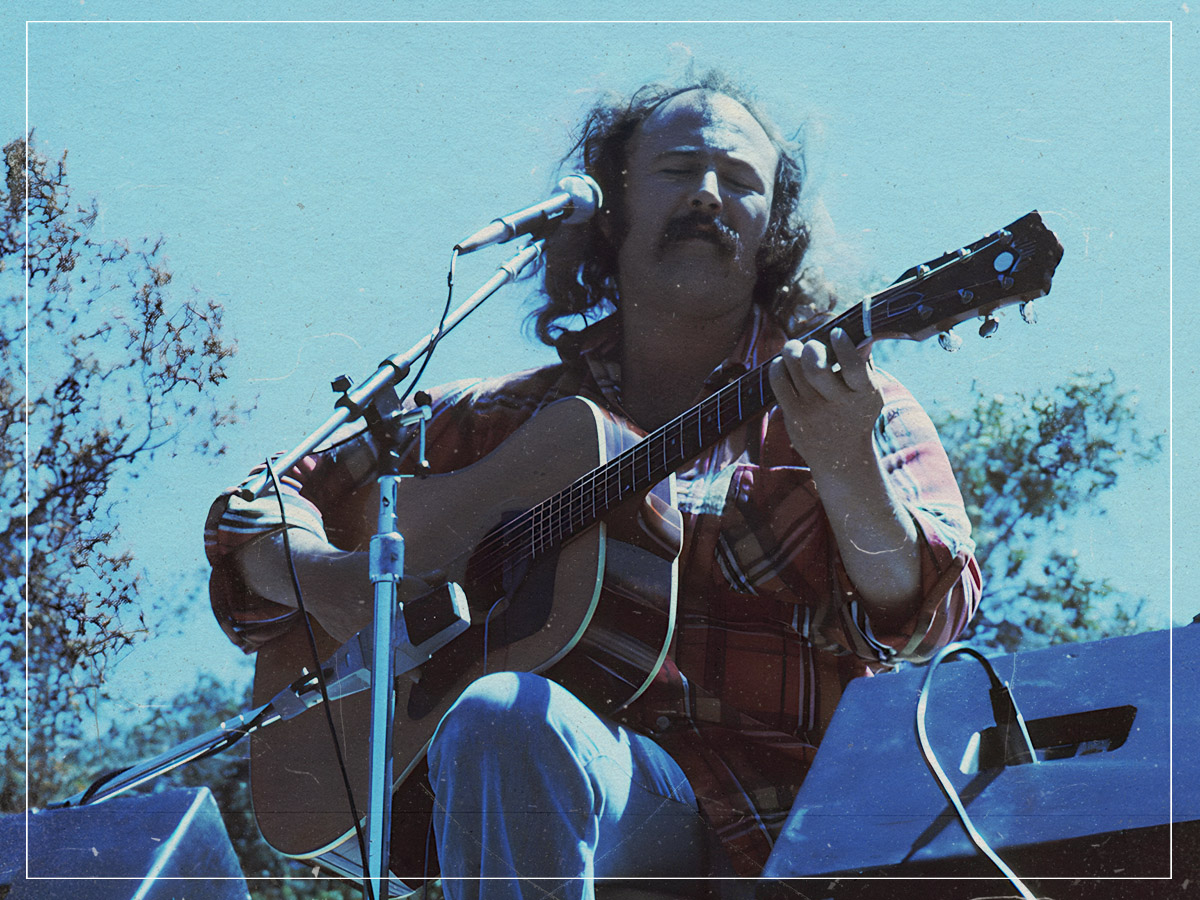
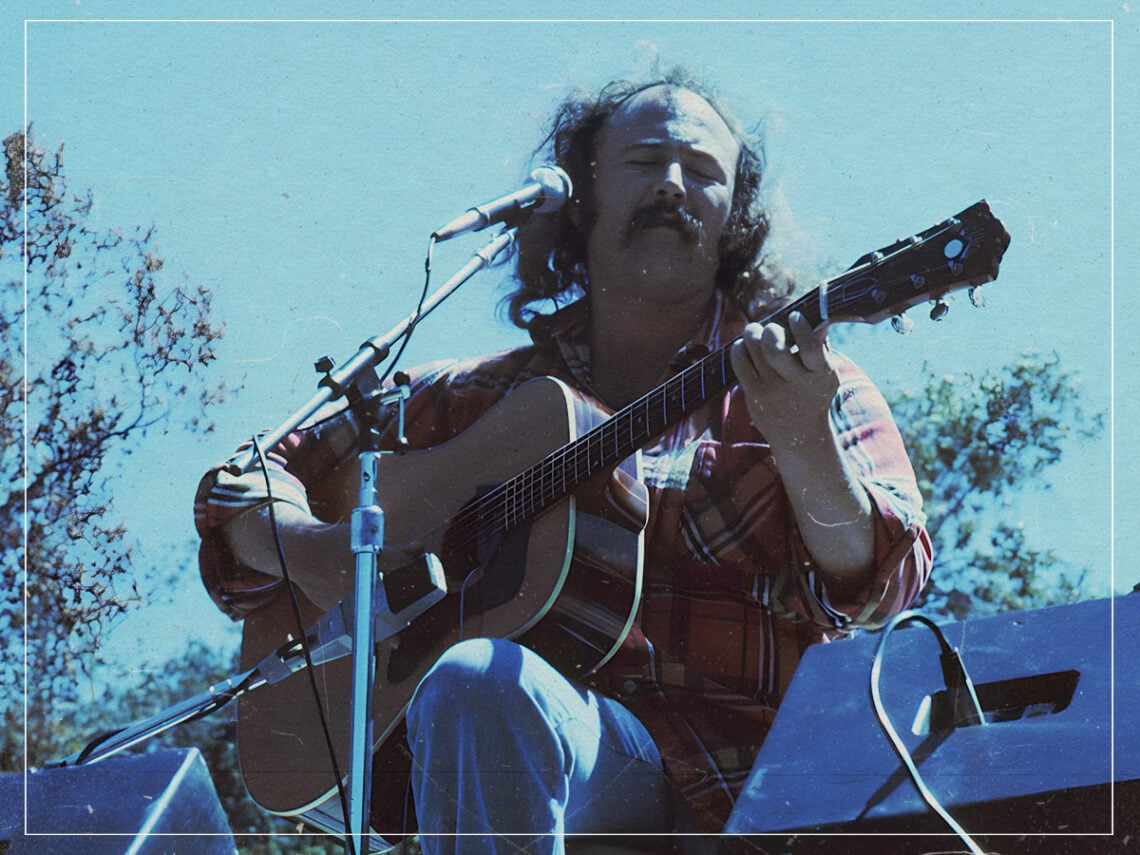
(Credits: Far Out / David Gans)
Thu 27 November 2025 20:13, UK
When kids started to become increasingly obsessed with music in the 1960s, they essentially given a choice of two bands to support. There were The Beatles, who with their boy next door charm presented a relatively inoffensive option (that was until 1966 of course). Then there were The Rolling Stones, a band who revelled in the danger that being a counterpoint to The Beatles brought.
Of course, there were more fantastic musicians in this decade and plenty for emerging music fans to get stuck into. But in the spirit of competition, it was these two bands who were ultimately pitted against one another. Their somewhat mirrored aesthetics, fuelled by captivating talent and charm, made them easy rivals for the media to ignite, and so, amidst playground squabbles among musical fans, the question was always, “Beatles or Stones?”.
The former was a far safer, more palatable choice, whereas the latter was a statement of rebellious intent. In fact, Stones guitarist Keith Richards put it best when he said, “The Beatles got the white hat. What’s left? The black hat.”
But why? What was it about The Rolling Stones that provoked a cautiousness amongst fans that allowed their devoted followers to be labelled rebellious? For all intents and purposes, they started out with the very same intention as bands like The Beatles and The Kinks.
The obscurity of their talent was a large part to do with it. For one, they weren’t songwriters initially, and so when they emerged on stage, performing covers of old blues hits, they weren’t providing anything new for hesitant fans to grapple with. Combine this with the fact that their enigmatic leader, Mick Jagger, moved and sounded like an unfamiliar entity. His voice wasn’t technical or classical by any stretch; it was characterful and wild, which for many was mistaken as talentless and offensive.
But embracing this judgment is ultimately what made them the band they are today. They accepted their X-rated status and allowed it to inform their disobedient aesthetic. History has ultimately shown that the approach worked; however, within the tight circles of music, it garnered a fair amount of criticism.
Many of The Stones’ fellow musicians questioned the legitimacy of their edge, with Lemmy calling them “mummy’s boys” who starved themselves in London to feign authenticity, while Ginger Baker simply labelled Mick Jagger “a musical moron.”
But all of that was rooted in a subjective perception of the band. But it was in 1969, when they staged the Altamont Free Concert with Hells Angels as securit,y that their edgy disposition was really thrown into question, especially by the true proponents of the free love movement like David Crosby.
Speaking of the event, he said, “I think the major mistake was taking what was essentially a party and turning it into an ego game and a star trip of The Rolling Stones, who qualify in my book as snobs. I think they’re on a grotesque, negative ego trip, essentially, especially the two leaders.”
The Altamont Free Concert was merely a door opening for Crosby, who used it as an excuse to let rip on The Stones, labelling them musically limited in comparison to The Beatles and simply a band who couldn’t harmonise ”for squat.”
Related Topics