(Credits: Far Out / YouTube Still)
Fri 28 November 2025 0:00, UK
There are songs in history that have bucked this idea that radio is the overarching power in music, that decides what will become a hit, and what won’t.
Ordinarily, the hits that radio stations decide will perform best are the ones that immediately capture our attention. Be it a drum fill, a hooky riff or a vocal line, it wastes no time in introducing its overarching ideas to the listener. Designed to combat the station switch or worse in modern times, the scroll, it sacrificed all artistic design for commercial intent.
But we true music listeners know how to avoid that. We know that the true essence of a great song lies beneath the first 30 seconds, and so we’ve allowed tracks that contradict those conventions to go on and become mammoth hits. ‘Stairway To Heaven’ and ‘Bohemian Rhapsody’ unravelled their greatness with each introduction of a verse and defied all radio odds, yet have lived the lives of songs supposedly deemed commercial by the powers that be.
The success of those sorts of songs has given artists continued faith to properly pursue their ideas in the studio. Rather than sacrifice their original, more obscure introductory idea for one more shocking and on-trend, they’ve continued on with the authentic creation of their song, knowing that the commercial overlords aren’t always correct. Within the sea of music fans remains an appetite for ideas devoid of those traits, and ultimately, it’s that appetite that has given way to future greats like Lana Del Rey.
Her cinematic style of songwriting has made her one of the most treasured voices in modern music. But has she had wavered under the expected pressure of labels, desperate to appease radios, then her career might have looked very different.
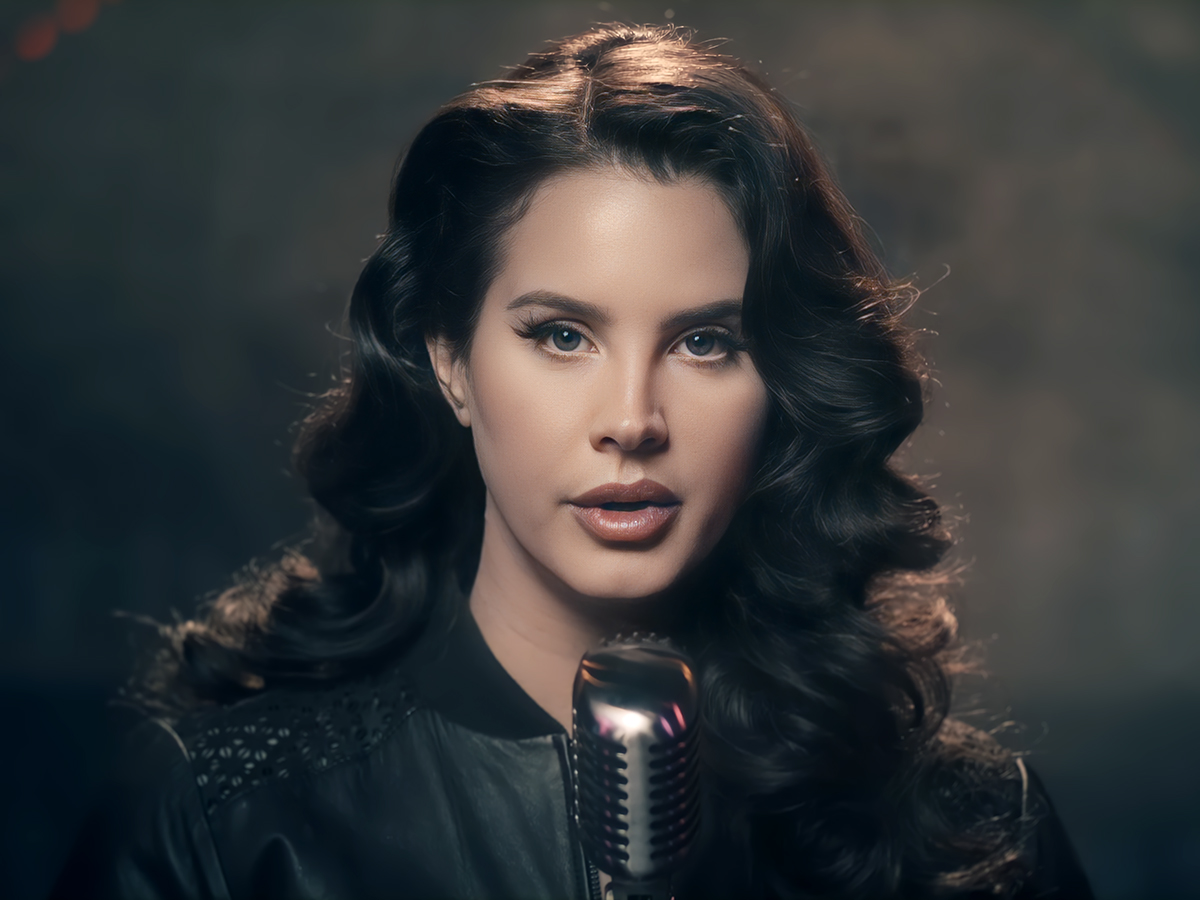
On her mammoth 2012 hit, ‘Video Games’, Del Rey was asked to alter the make-up of the song in order to establish a more commercial crowd at the start of her career. She explained, “I would play my songs, explain what I was trying to do, and I’d get ‘You know who’s No. 1 in 13 countries right now? Kesha’.” Adding, “‘Video Games’ was a four-and-a-half-minute ballad. No instruments on it. It was too dark, too personal, too risky, not commercial. It wasn’t pop until it was on the radio.”
That very response to Del Rey’s track just goes to prove how warped the system we’ve designed is. Because anybody listening to the introduction of that song will be bowled over by its compositional beauty, balancing bells, strings and piano together to create a truly captivating song that has ultimately defined her career. Yet, somehow, we almost missed out on that because of the desperation to follow trends.
Moreover, it proves that we respond to it because of how human it is. As Del Rey explained, “I know that it’s a beautiful song and I sing it really low, which might set it apart. I played it for a lot of people (in the industry) when I first wrote it and no one responded. It’s like a lot of things that have happened in my life during the last seven years, another personal milestone. It’s myself in song form.”
That concluding sentence proves it all. It’s herself in a song form, and when you’re a music fan looking for the next fountain of musical authenticity, all you want is the artist to portray their true self.
Related Topics