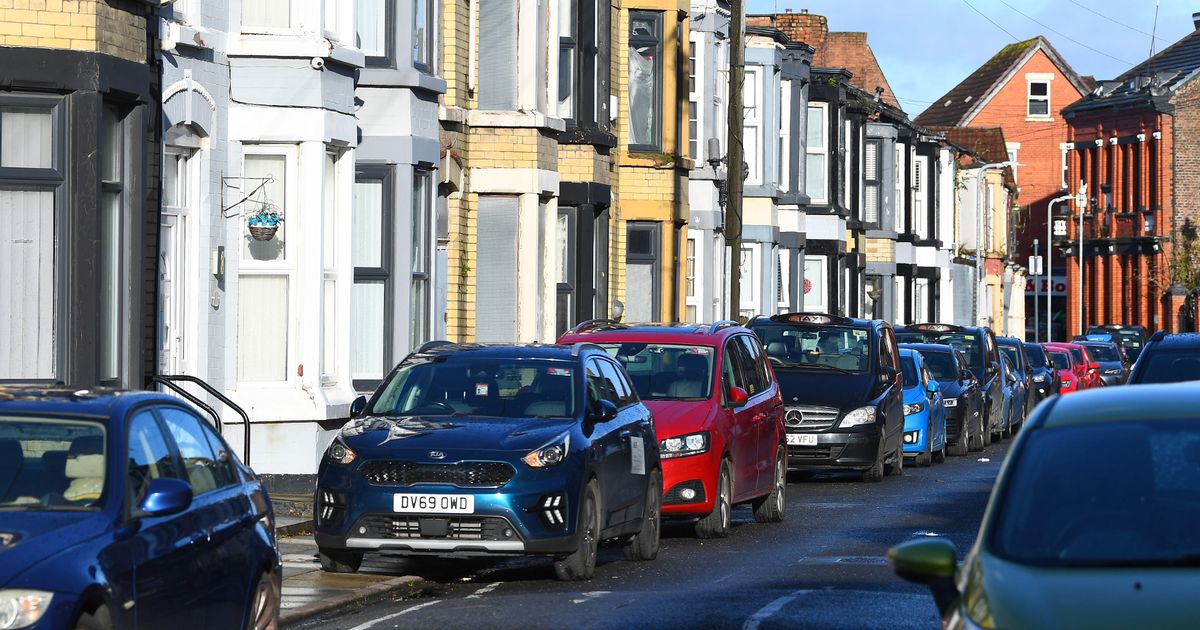
Residents on a select few Merseyside streets had the chance to buy their first home for the same price as a pint of milk
11:01, 30 Nov 2025Updated 11:31, 30 Nov 2025
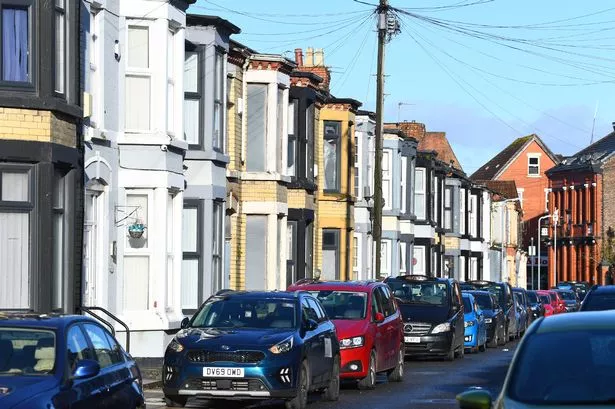 The street was part of the £1 house scheme(Image: Andrew Teebay Liverpool Echo)
While housing prices continue to be on a steep increase in the city region, over the last decade, residents on a select few Merseyside streets have had the chance to buy their first home for the same price as a pint of milk.
In 2013, Liverpool City Council put plans in place to try and drastically turn around the fortunes of derelict homes across the Webster Triangle area of Wavertree. The project offered a select few people the opportunity to resurrect the homes after purchasing them for just £1. Those successful in securing the cheap properties did so on the promise that they would complete significant renovations within 12 months as well as a guarantee that they would live in the house for a minimum of five years.
A decade on since the council announced their ambitious plans for the Webster Triangle, I was keen to learn first-hand just how much of an impact the scheme has had on the local area.
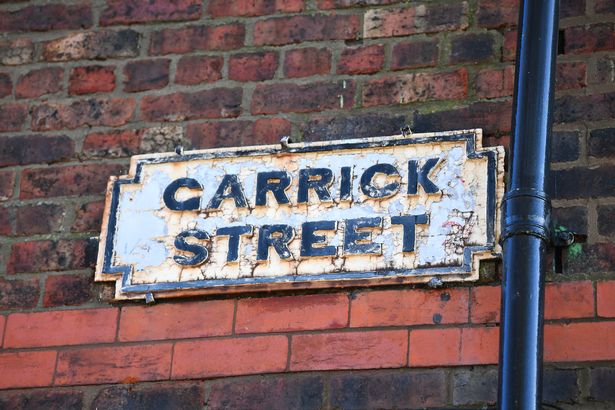 Garrick Street was one of many in the local area that was part of the scheme(Image: Andrew Teebay Liverpool Echo)
After spending only a few minutes on Garrick Street, it is almost unimaginable that as little as 12 years ago it was completely dilapidated. Fast forward 10 years since the plans for the street were put in place, and Garrick Street now resembles a picture of modern Liverpool, a street bustling with cultures and ethnicities from across the globe.
One resident on the street, Matthew Olushoga, 50, who has lived there with his family since 2017, quickly painted a picture of what life on the £1 house street is like. He told the ECHO: “Honestly, it’s one of the best communities I’ve ever lived in. My neighbour to the left, right, and opposite me are wonderful people. During Ramadan, one of them knocked on my door and gave me cakes. My neighbour opposite, on Christmas Day, knocked on my door and gave me chicken. What more can I ask for? It’s the best life!”
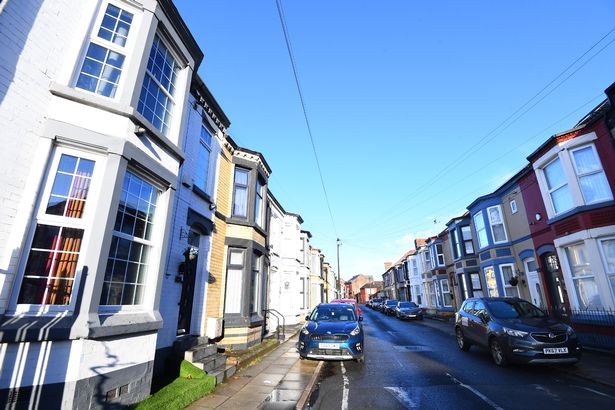 Many families who were part of the scheme still live on Garrick Street(Image: Andrew Teebay Liverpool Echo)
Having lived on the street for eight years, he is now pleased to call many of his neighbours friends. He said: “I actually met one of my friends on this street. When his wife was graduating, he called me over, and I went in. We sat down in his yard and everyone in the neighbourhood came. During the Queen’s (Queen Elizabeth) birthday, we were all out on the street and had something to eat.”
However, as Matthew first began renovations of his home on Garrick Street, he painted a stark picture of just how much the area has changed. He added: “It was a dilapidated building; most of the buildings were not good. Either the roof was bad, or the flooring was bad, or the walls were bad. For us, the roof was in very bad condition.”
Like the other new residents on the street, Matthew and his family had a deadline of 12 months to renovate their new home, but he said that some issues around security proved to be an early concern. He said: “Some people in the area used to take refuge in these buildings because they weren’t properly secured, so they could just go in. When we started doing the renovations, a couple of people broke in and stole so many things.”
However, he said that the authorities were quick to react to the issue. Matthew added: “But the council gave us what is called mobile policing, so they stationed some people to watch the area whilst we were doing the renovations. After we finished our house, there was no theft, nothing like that; everything was secured.”
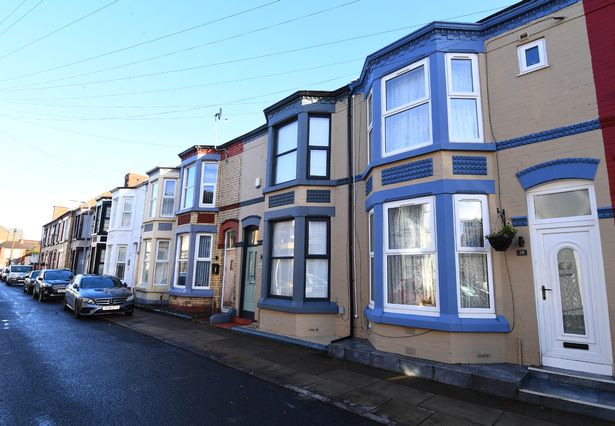 One resident told the ECHO just how much he enjoys living on the street(Image: Andrew Teebay Liverpool Echo)
Having grown up in Lagos, Nigeria, Matthew moved to London in 2001, and it was eight years later that he decided to move up north to Liverpool. Having lived in the country for nearly two and a half decades, Matthew proudly says that “I grew up in Nigeria, but the UK is my home now”.
However, he admits that there were one or two teething problems when he made the move to Liverpool. He said: “When I first came, it took six months to really understand what people were talking about. I couldn’t understand the way that they speak.”
Despite one or two issues learning the Scouse dialect, Matthew feels proud to call the city his home. He said: “It’s a place I’ve stayed for a long time; of course it’s my home, isn’t it? It is my home now.”