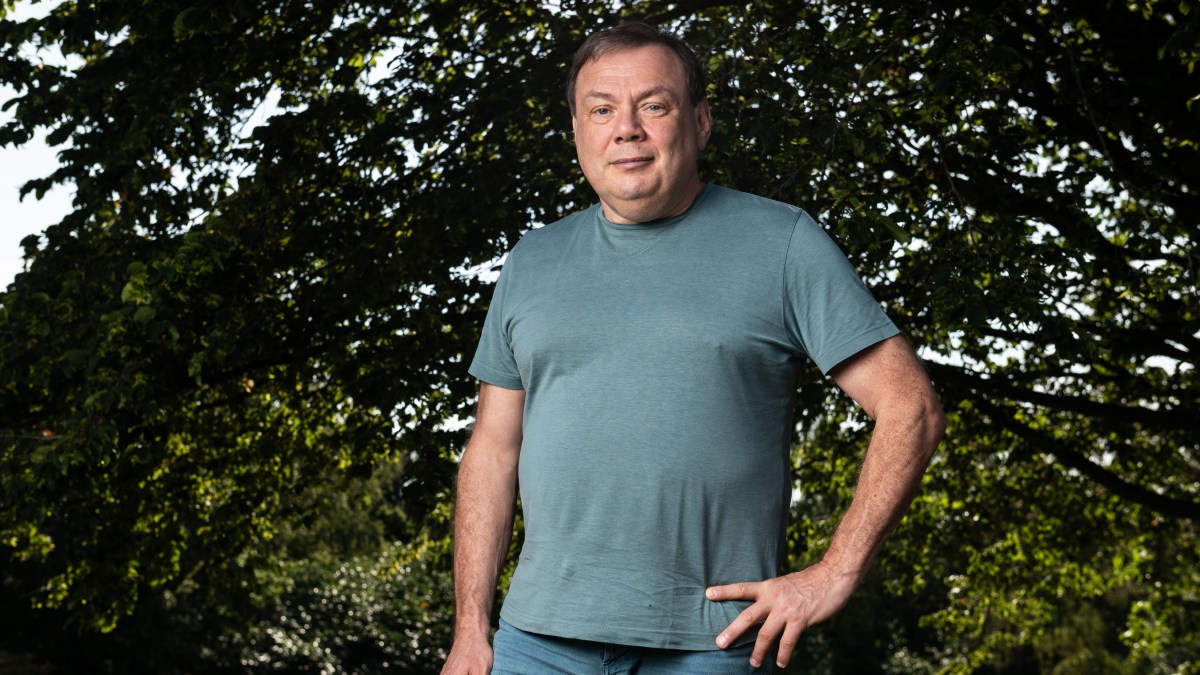
A sanctioned Russian-Israeli oligarch who founded Alfa-Bank and whose net worth is $15 billion is suing Britain, the government has confirmed.
Mikhail Fridman is taking legal action under investor-state dispute settlement (ISDS) rules, which allow foreign investors to sue a country over an action that affects their foreign interests, Chris Bryant, trade policy minister, told the House of Commons two weeks ago.
Details of the case brought by Fridman, 61, have not been disclosed. He was sanctioned by Britain following Russia’s full invasion of Ukraine in 2022 because of his investments in Alfa, Russia’s largest non-state bank.
Initial claims by UK Treasury officials that Fridman was close to President Putin were dropped but the sanctions are still in place.
ISDS suits often take the form of international arbitration. They allow investors to bypass a state’s domestic courts to seek compensation.
• Mikhail Fridman: judge curbs sanctioned billionaire’s mansion spending
The mechanism has been criticised by transparency campaigners, who have described it as a threat to democracy and state sovereignty.
Fridman is also involved in a separate ISDS suit against Luxembourg over the freezing of his assets. Last year, he filed a $16 billion claim against the country, claiming that sanctions applied following the invasion had been imposed without due process.
Fridman was removed from the EU sanctions list last year after he successfully sued the bloc over his inclusion, which was initially brought on grounds that he was “a top Russian financier and enabler of Putin’s inner circle”.
At the time he told the business outlet RBK that he was “satisfied” with the ruling.
Cleodie Rickard, trade campaign manager at Global Justice Now, said the UK must follow other countries in removing ISDS from trade deals.
“That allies of Putin can hold our government’s actions to ransom during Russia’s illegal war on Ukraine is an outrage,” she said. “This latest case against the UK government highlights the huge threat that corporate courts pose not only to sovereignty and democracy, but to security.”
Fridman was approached for comment.