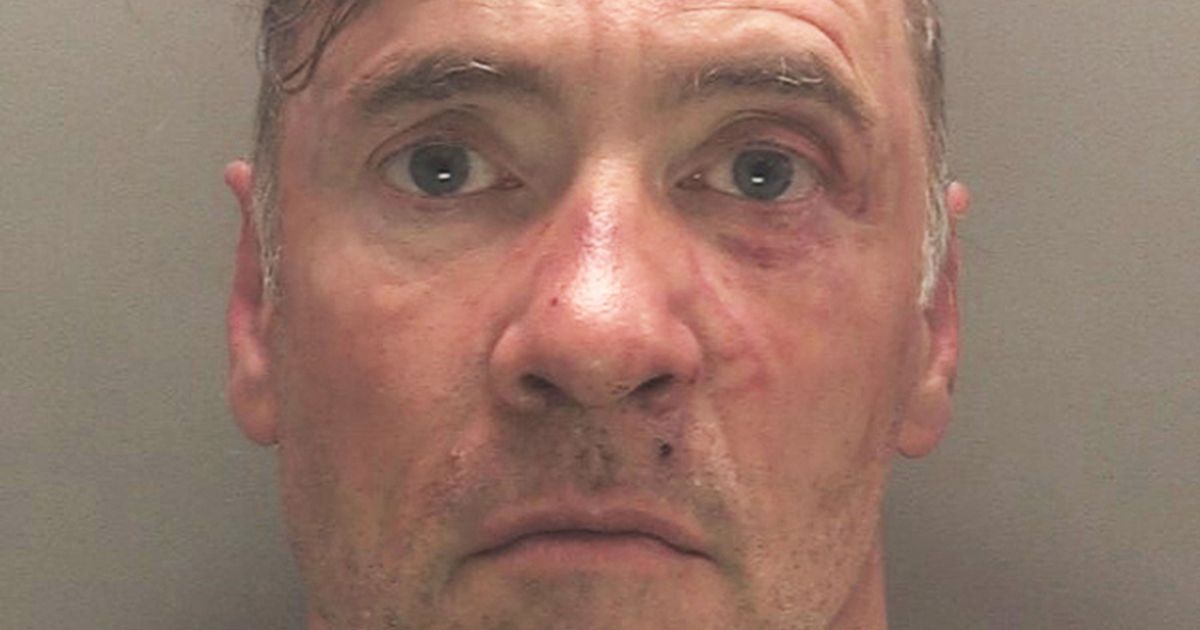
Paul Doyle surprised the court last week when he pleaded guilty to all 31 charges he faced over the crash which injured 134 people – now a crime expert has shed light on his change of mind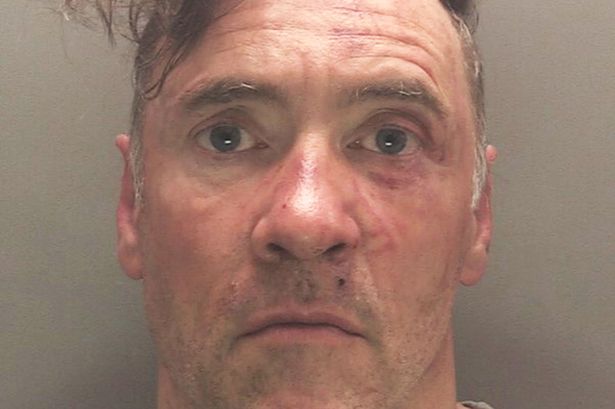 Paul Doyle will be sentenced later this month(Image: PA)
A crime behaviour expert has given an insight into Paul Doyle’s last-minute plea change after he admitted driving into fans who were celebrating at Liverpool’s trophy parade. Doyle, 54, surprised the court last Tuesday when he pleaded guilty to all charges he was facing relating to the horror crash which injured 134 adults and children.
On May 26 this year, Liverpool city centre was thronged with fans were celebrating their team’s Premier League title triumph. Doyle’s Ford Galaxy mounted the pavement and hurtled through the crowds for around 50 metres.
Those injured were between the ages of six months and 78 years, with eyewitnesses describing horrifying scenes of victims trapped beneath the car wheels and being thrown over the bonnet.
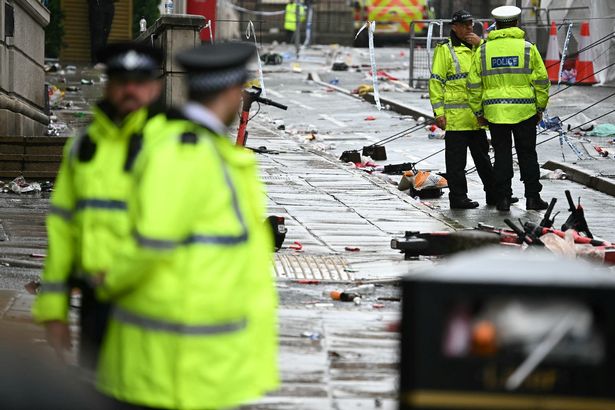 Police at the scene of the horror crash(Image: AFP via Getty Images)
Doyle, from Croxteth in the city, initially pleaded not guilty to 31 alleged offences, including dangerous driving, affray, 17 charges of attempting to cause grievous bodily harm (GBH) with intent, nine counts of causing GBH with intent and three counts of wounding with intent.
But he dramatically changed his plea last week – bowing his head and sobbing as he pleaded guilty to all charges put to him. He is now expected to be sentenced on December 15 or 16.
While his plea has spared the victims and their families from having to relive the horror incident in a trial, it raises questions over why he did it in the first place, and why he changed his plea at the 11th hour.
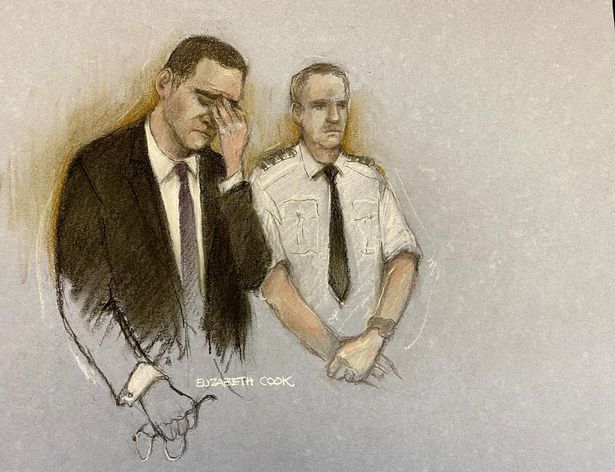 Doyle sobbed as he pleaded guilty(Image: PA)
Criminology and psychologist Alex Izatt has shared her insight into this, saying she believes the dad-of-three’s decision may have been influenced by his own conscience, or by his lawyers, who may have persuaded him he had little chance of a favourable verdict. However, she believes there may also be a second explanation, to do with his military past.
“As a former Royal Marine, Paul may be living with PTSD, which can lower the threshold for anger and impulsive behaviour,” she told the Mirror. “As he became increasingly frustrated he felt trapped, his emotions overtook reasoning, leading to impulsive, catastrophic decisions.”
“A late guilty plea can limit the reduction in sentence. The court will have to weigh the number of victims, severity of injuries, and the scale of risk.
“If there is evidence of PTSD or trauma it could be presented to show the impulsive nature of his actions rather than deliberate intent. Also previous good character and visible remorse could soften the sentence slightly, but it’s likely that due to the number of victims that, a long-term prison term is almost certain probably 10 to 20 years.
She said Paul’s tears, along with his last-minute plea change, “suggest genuine remorse and the full weight of recognising the harm he caused”, adding that it also avoids the stress of a drawn-out trial.
“For his lawyers they may have persuaded him to change the plea on the evidence presented as the chances of acquittal or even a more favourable verdict as very slim,” she added.
She also pointed out a technical reason why he didn’t change his plea earlier, saying: “Legally, a plea cannot be remote or in writing for serious indictable offences like this and must be recorded in open court in front of a judge, which is why it happened in court today rather than earlier.
“It could be strategic performance of course, tears or a breakdown may be used to appeal for mercy, show vulnerability, or humanise the defendant to the judge, but he comes across as an emotional person, whether it’s rage or tears taking over.”
For the latest breaking news and stories from across the globe from the Daily Star, sign up for our newsletters .