A one-off shot of a new drug could cut high cholesterol levels for life. The ‘game-changing’ drug, currently known as VERVE-102, works by switching off a gene involved in the production of so-called ‘bad’ cholesterol – or LDL.
The results of a small trial, involving 14 patients on cholesterol-lowering drugs with high levels of LDL (Low-density lipoprotein), showed a single infusion reduced their levels by up to 53 per cent in just four weeks. Large-scale trials are needed to replicate the findings – and prove the drug’s safety – but experts are hopeful the experimental treatment will help those who don’t respond well to current treatments, or want the convenience of a one-off jab rather than taking statin tablets (the main treatment for high cholesterol) every day for the rest of their lives.
Around half of all adults in the UK have high cholesterol, according to the British Heart Foundation. Total cholesterol should be below 5mmol/L while bad non-HDL cholesterol should be below 4mmol/L. A build-up of ‘bad’ LDL cholesterol increases the risk of heart attacks and strokes, as the wax-like fatty substance makes arteries narrow and harden, leading to blockages and ruptures.
The mainstay of treatment is statins. They work by blocking a liver enzyme needed for the LDL production. Around seven million people currently take statins.
Studies show that, in most cases, the drugs are very effective, reducing LDL levels by up to 50 per cent.
But some people are concerned over side-effects such as muscle pain and weakness. Studies have shown more than half of patients stop using statins within a year of starting, often due to side-effects.
‘Statins have been around for while and have been thoroughly tested on some of the biggest trials ever done,’ says Louise Bowman, a professor of medicine and clinical trials at the University of Oxford.
‘We know they are effective, safe and generally well tolerated.’
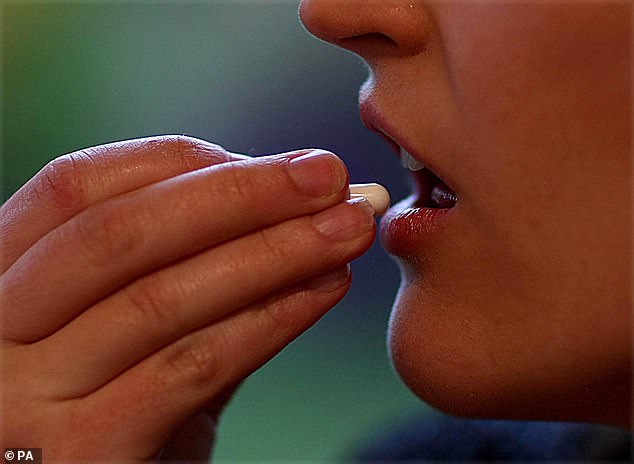
Around seven million people in the UK currently take statins. Studies show that, in most cases, the drugs are very effective, reducing LDL levels by up to 50 per cent
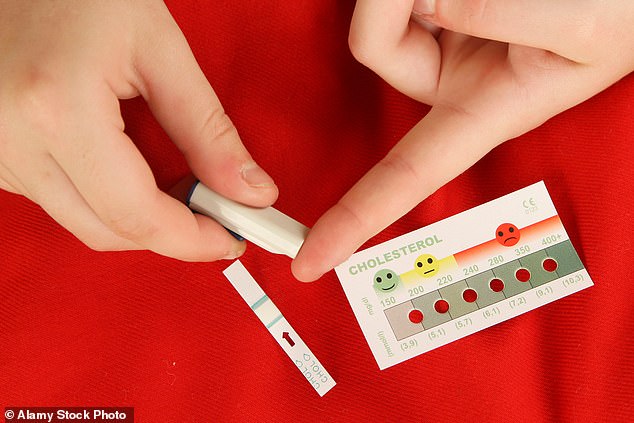
The British Heart Foundation estimates cholesterol levels are too high for half of adults
A more recent development is a class of drugs called PCSK9 inhibitors, such as alirocumab and evolocumab. Instead of curbing the production of LDL, these help the body to clear it from the bloodstream and deliver it back to the liver, where it gets broken down.
PCSK9 is a protein in the liver that blocks this clearing process, allowing LDL to accumulate in the arteries. The PCSK9 inhibitors were first licensed in the UK in 2015. Some are injected every few weeks, others – such as inclisiran – once every six months. Studies show these drugs can cut LDL levels by as much as 55 per cent.
‘Importantly, these drugs can work with statins and reduce bad cholesterol even further – in some studies by as much as 70 per cent overall,’ says Dr Ricardo Petraco, a consultant cardiologist at Imperial College Healthcare NHS Trust and the Mayo Clinic, both in London.
But PCSK9 inhibitors are expensive, with some costing £3,000 a year, compared to as little as £20 a year per patient for statins, so they’re only recommended for patients where high cholesterol runs in the family.
The new one-off treatment also targets the PCSK9 protein – by switching off the gene that instructs liver cells to make it.
Injected into the bloodstream slowly over several hours, the one-shot doesn’t completely eradicate LDL production, because using the PCKS9 protein is just one of several processes by which the liver regulates LDL. But the recent trial shows that, in its lowest dose, the drug reduced LDL cholesterol by 21 per cent and in its highest dose by 53 per cent – both within a month of the treatment.
Initial findings suggest there are few if any serious adverse effects.
‘Our genes are like a recipe book, but instead of cakes, they continuously produce proteins with specific functions,’ says Dr Petraco.
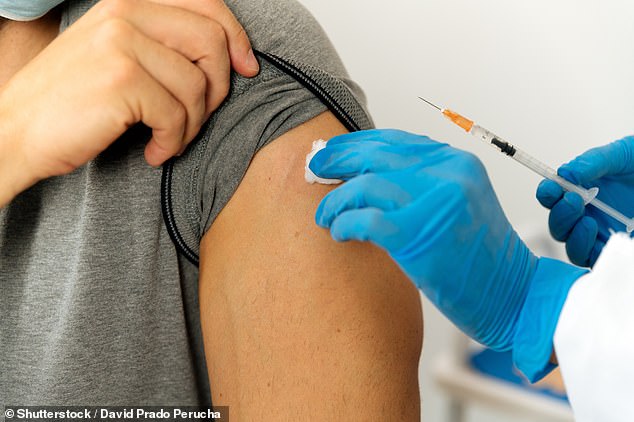
VERVE-102 could lower cholesterol levels with just a single shot, as opposed to keeping patients on medication like statins
‘VERVE-102 swaps one single compound within the PCSK9 gene, causing a malfunction in its recipe to stop it producing LDL.’ But he says more data is needed to be certain the treatment is safe.
‘There is an element of the unknown with gene therapy and long-term follow-up studies are essential,’ he explains.
‘But it’s not an overstatement to say VERVE-102 is a gamechanger if it is shown to be safe and effective in larger trials. But we need to be cautious before widely adopting any new drug.’
A larger worldwide trial, involving possibly higher doses of the drug, is planned.
It’s expected to recruit those with familial hypercholesterolemia, a genetic condition that causes extremely high cholesterol levels, often from childhood onwards. But eventually VERVE-102 may benefit many more who are resistant to current drugs or who cannot tolerate their side-effects.
David Middleton, a professor of biological chemistry at Lancaster University, says a major drawback is likely to be the cost. ‘Statins are cheap to produce and are effective for most people,’ he adds.
No details of the potential cost of VERVE-102 have been released but gene-editing drugs are expensive (but in theory a patient should only need one dose).
Professor Bowman adds: ‘This new drug is trying to genetically switch off the mechanism that makes our cholesterol rise for good – and that sounds amazing because people do not like taking tablets or having regular injections.
‘If it turns out to be effective and safe, it really could be a fabulous thing for the future.’