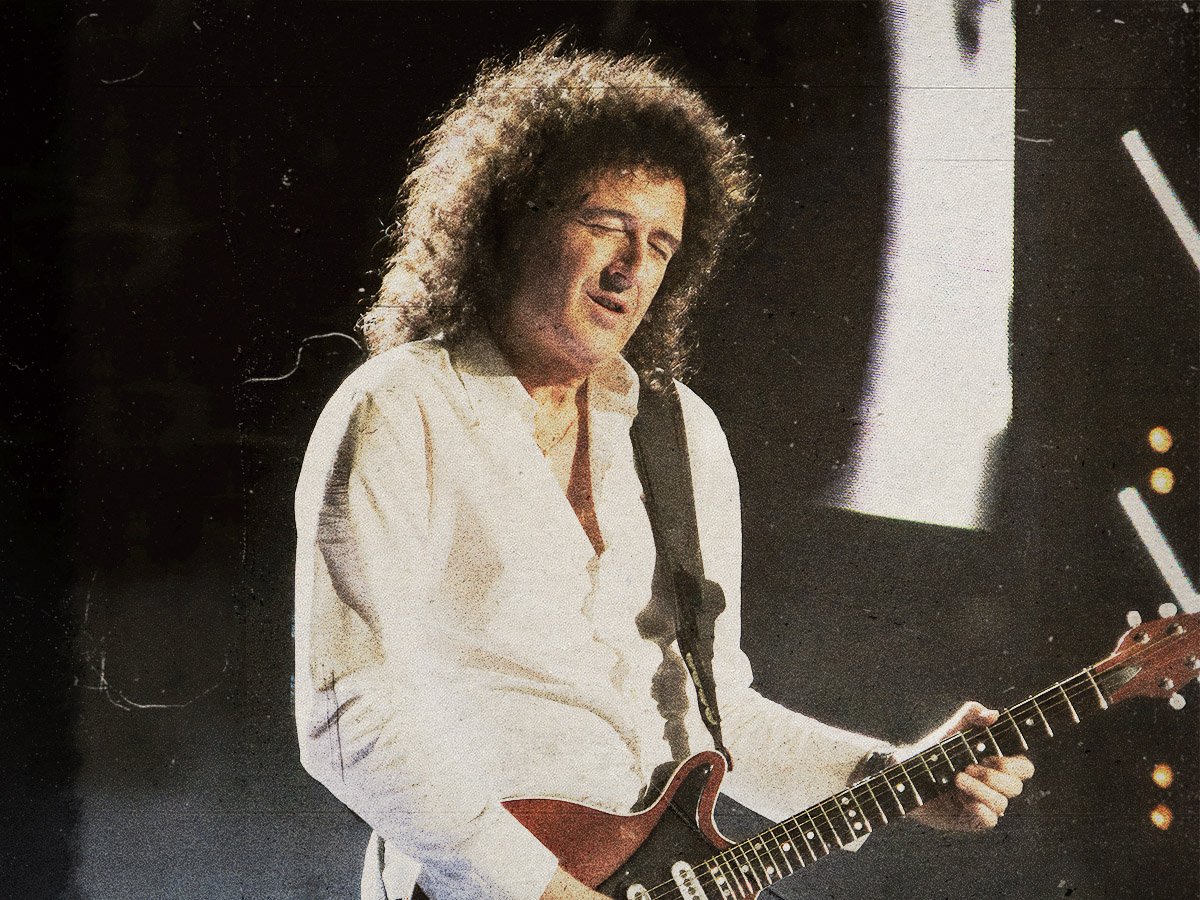
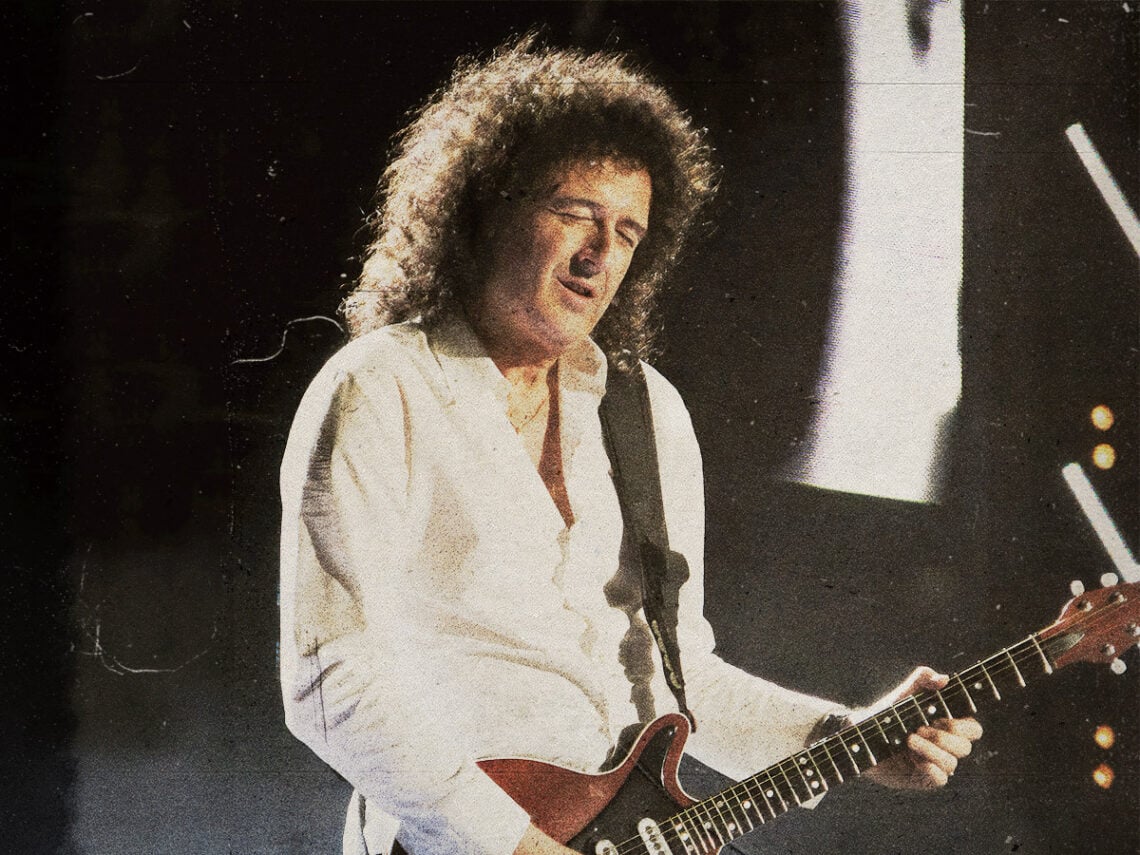
(Credits: Far Out / Paul Williams)
Wed 3 December 2025 9:47, UK
No one in Queen needs to worry about musical competition any time soon. Throughout their time together, the band became one of the most prolific entities in the rock industry, constantly innovating their sound to create new musical avenues that no one else had thought was possible. Although Brian May was more than happy to make music to get millions of fans into an arena, he always envied not being as good as another iconic rock band.
When working on the band’s first material, though, May was far from the big time, working in the proto-Queen group Smile. Even though they had cut their teeth as a decent rock act arising from the English music scene, it wasn’t until Freddie Mercury came into the picture that things started to gel together, creating songs that were as campy as they were thunderous.
While many of the band’s first songs emphasised heavy riffs and progressive tendencies, things started to change once they had their first significant hit with the track ‘Killer Queen’. Admiring the quirky approach to the music, the following few albums would see Mercury take the reins of the band, turning in songs as tuneful as they were adventurous, like ‘Bohemian Rhapsody’ and ‘Love of My Life’.
May still saw himself as something of an impresario, as all musicians must, to some degree. He believed that the music the band were creating was of the highest order and deserved the respect of afocinados everywhere. it is a degree of respect that the band have never really attained. Despite being one of the most commercially successful rock groups of all time, Queen have never been taken to the heart of the genre’s diehard fans.
At the same time Queen was becoming royalty, Led Zeppelin were trying their hand at their adventurous material. Coming out of the ashes of the blues rock scene, Jimmy Page wanted to reach further than traditional tropes and was not willing to use the conventional chart success to define the band.
 Robert Plant of Led Zeppelin. (Credits: Far Out / Heinrich Klaffs)
Instead of the usual chart-topping singles most fans needed, Zeppelin made the album their medium, creating pieces that could stand together rather than being picked out for different songs with hit potential. Although May saw Queen as a group of creative technicians whenever they went into the studio, he saw a distinct difference when watching Led Zeppelin play.
Compared to the fans who wanted to sing along to Queen’s tracks every time they played in concert, May wished the band could have had Zeppelin’s audience in terms of their tolerance, saying, “We had this thing where people insisted on singing along to our songs. And I think we were quite irritated by it.”
It is a very crucial difference between Queen and many other rock groups of the time. Mercury was such a commanding presence on stage that, at times, he felt more like a singer with a backing band. Of course, Queen were all great musicians and songwriters, being the one band in which every member has written a number one, but for audiences, Freddie was the star, and it meant the singing became the most important aspect of Queen.
Unlike Led Zeppelin, who could boast all four members as stars in their own right to their fans, Queen were all about the vocals. “We thought, ‘People, just listen. We’re working really hard, so bloody well, listen!’ When Led Zeppelin played, they listened. They banged their heads, and they listened. And I thought about our concerts, ‘Why don’t you buggers listen instead of singing?’”
Then again, it would be difficult for anyone to focus on the music with a showman like Mercury upfront. Seeing the world as his stage, Mercury brought a presence to every song they played onstage, usually turning the show into a spectacle rather than a place where everyone could jam to their heart’s content.
Once May learned the band’s strengths, it didn’t take him long to adapt to Queen’s power, eventually penning ‘We Will Rock You’ to make a song that the audience could participate in. May could have been able to lead the band by shredding a guitar solo whenever he got the chance, but when looking at his relationship with the fans, the audience was the fifth member of the group.
Related Topics
The Far Out Led Zeppelin Newsletter
All the latest stories about Led Zeppelin from the independent voice of culture.
Straight to your inbox.