– Advertisement –
The smell of fresh cooking drifts through the streets of Prestwich as dinnertime approaches. Inside the Lime Tree, Johnny Gupta moves swiftly behind the counter, preparing dishes that have fed generations of Mancunians.
Across the city in Manchester city centre, Mark Wrigley from Atlas Bar surveys his staff, balancing schedules with the sharp eye of someone who has run one of Manchester’s most iconic bars for years. Both are seasoned hospitality operators, yet both say the sector is teetering on the edge.
For decades, Manchester’s restaurants, pubs, and bars have been community hubs, lifelines for staff, and destinations for locals and tourists alike. But today, the people who keep the city’s hospitality sector alive are struggling with an unprecedented cocktail of challenges: rising labour costs, unpredictable business rates, inflationary pressures, and policy changes that seem to swing against them with little warning.
Manchester’s hospitality challenges
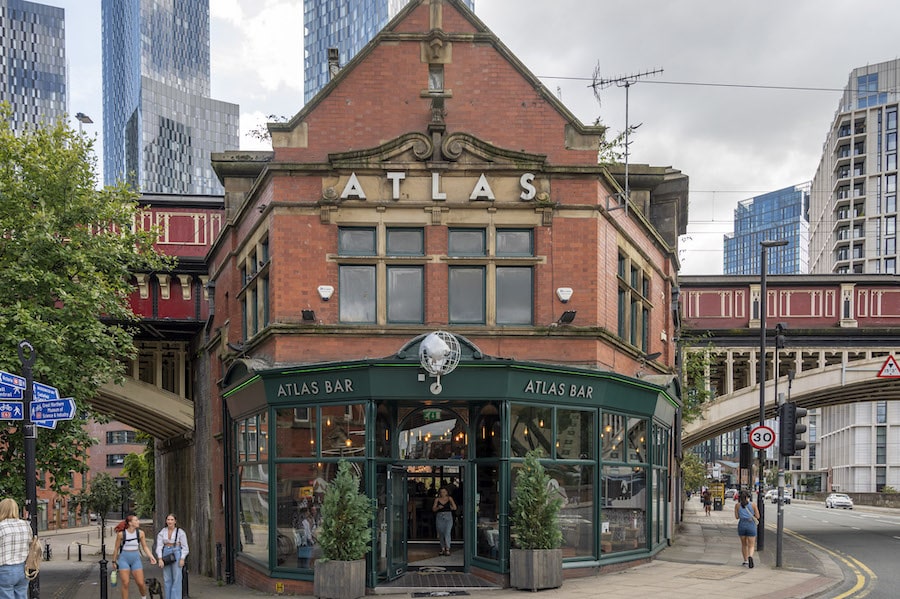 Manchester’s gorgeous Atlas Bar
At Atlas Bar, Mark recounts the year-on-year pressures that have made running a pub a delicate balancing act. “Employment costs are a big worry,” he says. “The extra costs forced us basically to reduce staffing levels. The employer National Insurance contribution, ENI, has gone up to 15%, and that meant we had to find an extra £20,000 a year. That’s double what ENI costs were the year before.”
And the strain isn’t stopping there. With the National Minimum Wage rising again in 2026, Mark calculates that keeping his staff ahead of inflation will require another £26,000. “We’ve been forced to reduce expenditure where we can,” he says, “mainly on staff, but also on marketing, repairs, everything. If we hadn’t, we would be insolvent by now.”
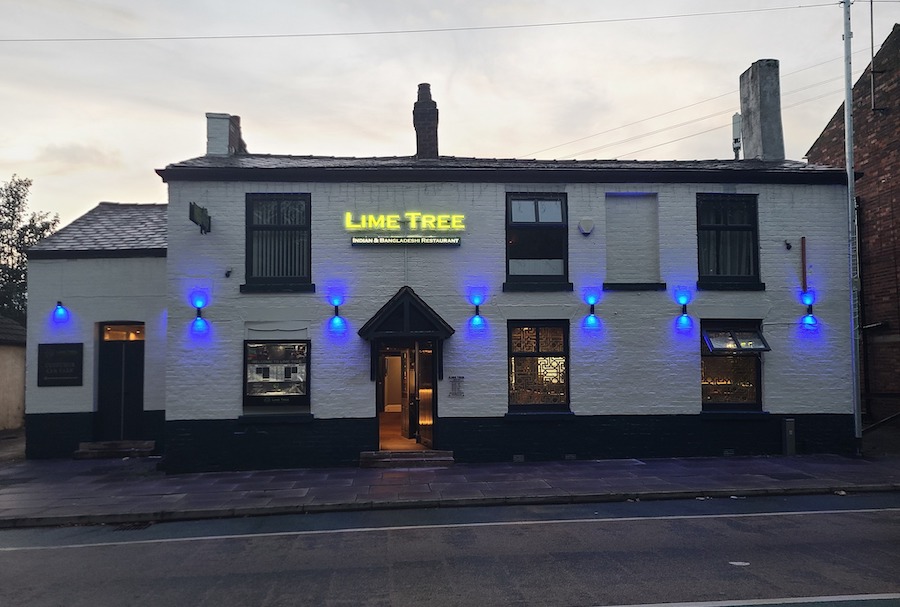 The Lime Tree, Prestwich
At the Lime Tree in Prestwich, Johnny Gupta faces a similar dilemma. His business has operated for 17 years, serving authentic South Asian dishes at affordable prices. But the reality of staff costs is relentless. “Out of £6,500 in a week, £2,500 goes on staff wages alone,” he explains. “Then you add VAT, utilities, rent, and food costs. By the time I’ve paid everything, there’s almost nothing left.”
Johnny’s story illustrates a key tension: businesses want to remain ethical employers, paying staff fairly and legally, but the financial squeeze is narrowing that possibility. For many, it’s not just a matter of profitability, it’s survival.
Business Rates: a ticking time bomb
Employment costs are only half the story. Business rates, once seen as a predictable overhead, have become a source of near existential stress for hospitality owners. In 2025, Labour’s reduction of rates relief from 70% to 40% left many operators scrambling.
Mark describes the impact on Atlas Bar: “It was a large blow. We needed to find an extra £15,000, more than double what we paid the year before.”
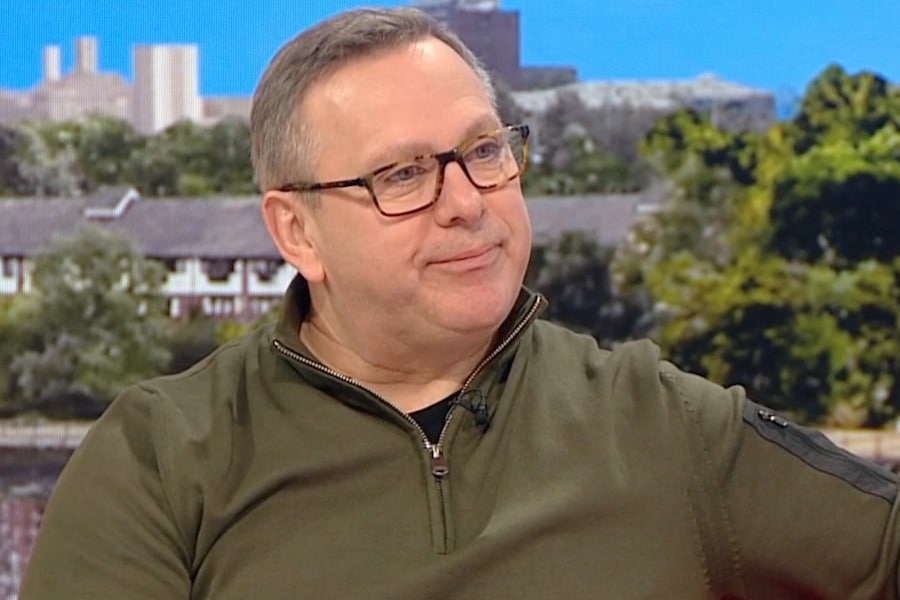 Mark Wrigley from Atlas Bar
For 2026, the situation is set to worsen. Despite promises to overhaul the business rating system, Mark reports, “The VOA reassessed our property at £97,000. That’s a huge jump from the rent we agreed with our landlord, £70,000 a year. No discussions, no transparency over where these numbers come from. Shocking.”
The mismatch between real-world costs and assessed rates is fuelling resentment. “Labour is gaslighting the nation with their rhetoric,” Mark says. “They are playing clever with numbers and percentages to create the illusion of support. The reality is, hundreds, maybe thousands, of hospitality venues are facing huge increases in their rates.”
Johnny Gupta echoes these concerns from a different angle. For his Prestwich restaurant, the reduction in relief in 2025 forced him to shoulder more than he had planned. “When people hear a turnover of £400,000, they think it’s easy money,” he says. “But that turnover is not profit. Out of that £400k, I have to pay rent, gas, electricity, water, VAT, business rates, PAYE, national insurance, staff wages, food, insurance… the list goes on. By the time it’s all paid, there’s barely anything left.”
Johnny points out an uncomfortable truth: many less compliant businesses, takeaways operating cash-in-hand, some skirting VAT, appear more profitable simply because they evade the obligations that legitimate, law-abiding businesses shoulder. “Why should decent, hardworking people keep suffering while others work cash-only, avoid tax, employ illegal workers, or run criminal activity behind closed doors?” he asks.
Inflation, energy, and everyday costs
Rising employment costs and business rates are compounded by inflation, which continues to affect everything from food prices to utilities. Mark notes that energy costs are up, a factor baked into both rent negotiations and daily operations. Johnny’s experience reinforces this: “We used to sell chicken tikka masala for £6 or £7.
“Now it’s just under £15. I can’t morally charge £20–25 for a chicken dish. That would be unaffordable for my customers.”
The moral calculus of hospitality owners, balancing survival with ethical pricing, adds another layer of stress. Johnny emphasises that many operators like him have long histories in the city, families to support, and a sense of responsibility to their communities. “We’ve always struggled with something or other,” he said, “but with the blessing of our customers, we’re still here. But we’re running on fumes. We need support to keep going.”
The legacy of COVID and VAT policy
The pandemic left deep scars across Manchester’s hospitality sector, and the aftershocks are still being felt. During COVID, VAT was temporarily reduced to 5% for hospitality, providing a lifeline. But by 2021, it returned to 20%, making the UK one of the highest VAT countries in Europe.
Johnny notes the irony: “During COVID, every takeaway received £10,000 in grants. Every single one. But restaurants like mine were closed. We couldn’t earn, couldn’t pay VAT. If the government had reduced VAT slightly or ensured takeaways complied, they’d have collected more revenue. Instead, honest businesses like mine suffered disproportionately.”
Community, compliance, and the human toll
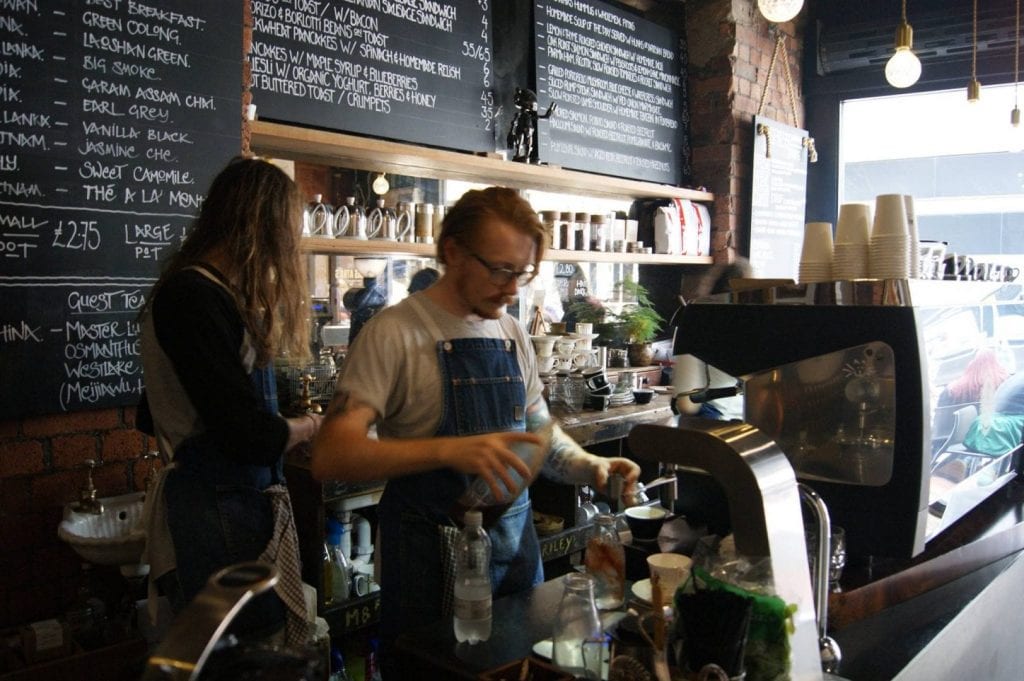
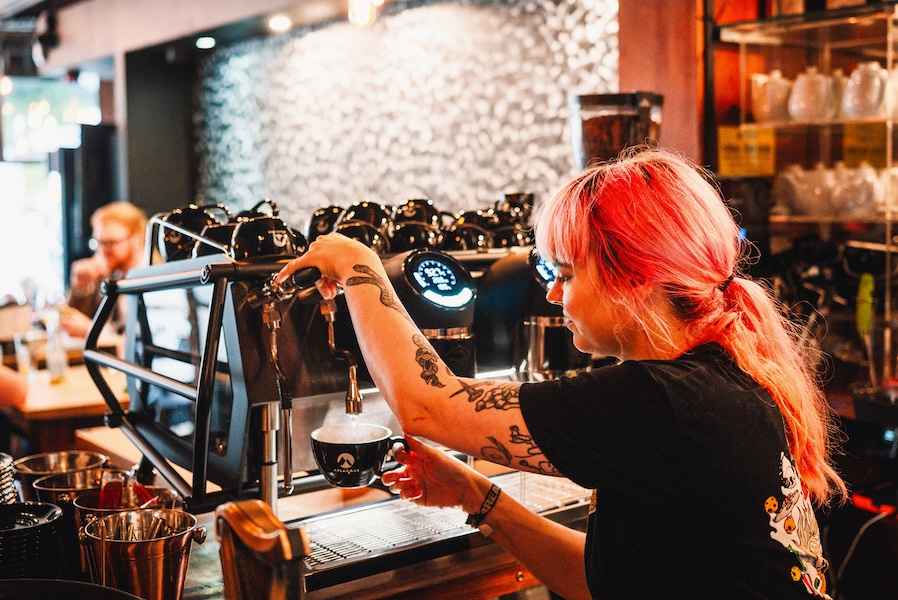 Barista Nadine whipping up some top class coffee at Atlas Bar
Beyond numbers, there is a human story behind these statistics. Mark talks about his staff at Atlas Bar, who remain engaged despite reduced hours and heightened pressures. Johnny speaks passionately about the community he serves in Prestwich, donating 5% of weekly turnover to local groups.
But both acknowledge the emotional toll. Johnny’s personal history, surviving abuse and navigating systemic challenges, fuels his resolve, but also underlines the stakes. “I’ve been doing everything by the book for 17 years,” he says. “But now, after everything, I’m at the end of my tether. If I close, ten staff lose their jobs, and Prestwich loses a reputable business.”
The stress is widespread. Mark warns that many businesses may not survive the cumulative impact of rising employment costs, business rates, and energy bills. “The council seriously needs to look at what they can do to mitigate the cliff edge of RVs for hospitality venues,” he says. “We could be looking at a lot of closures under the weight of all this taxation.”
What the future holds
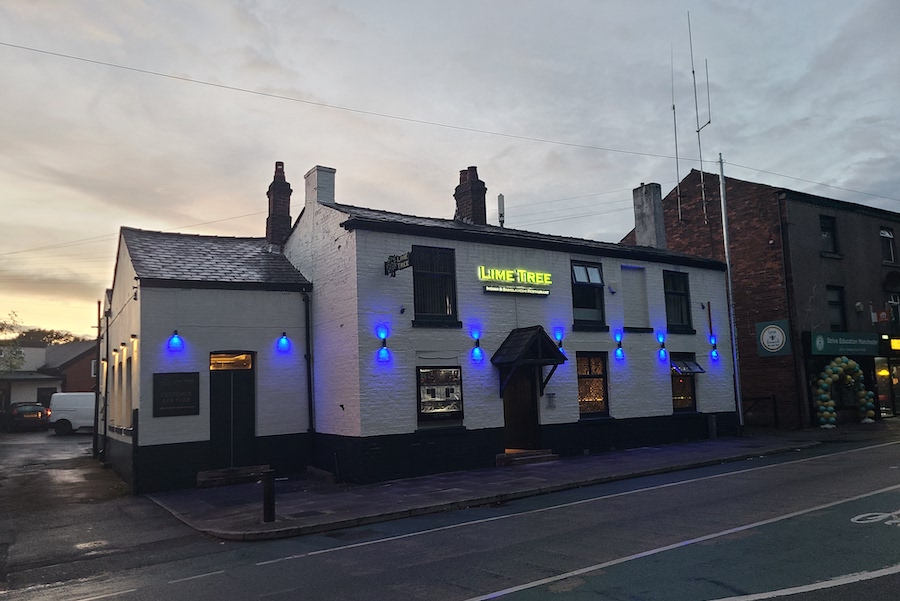 The Lime Tree, Prestwich
Both Mark and Johnny are pragmatic about the measures they must take to survive. Atlas Bar is planning to reduce trading hours to save money. The Lime Tree continues to operate with tight margins, carefully balancing pricing with ethics and customer loyalty.
Yet there is a shared sentiment of frustration and betrayal. Promises of reform have not materialised. Costs continue to rise while support mechanisms appear designed more for optics than impact. Johnny sums it up: “I really thought Labour would help. I don’t want Reform to get in. I’m not a politician, I’m just someone who’s survived a lot. But I feel compelled to speak up for all honest, compliant businesses.”
There is resilience, too. Both business owners emphasise community, staff loyalty, and the pride of operating a longstanding, legal, and reputable enterprise. But resilience alone may not be enough. Without substantive government intervention, reform of business rates, measured wage support, and energy relief, Manchester’s hospitality sector could face a wave of closures that would reshape the city’s social and economic landscape.
A call to the government for fairness
The experiences of Atlas Bar and the Lime Tree highlight a paradox at the heart of modern British hospitality: businesses that adhere to legal and ethical standards are being squeezed, while those that evade obligations can survive more easily. Rising costs, opaque rating systems, and inflation are not just financial pressures; they are existential threats.
As Manchester prepares for another tough economic year, the question looms large: how many of its pubs, bars, and restaurants will survive without meaningful reform? For Mark, Johnny, and thousands of other operators across the city, the answer will determine whether Manchester’s hospitality sector thrives, or simply survives.
The city’s heart, its vibrant streets and communities, relies on them. And without support, the doors of these establishments may close for good, taking with them not just meals and drinks, but livelihoods, too.
– Advertisement –