South West Wales hotspots
Wales has emerged as the UK’s Motability capital, with one in three new cars registered in 2024–25 leased through the taxpayer‑funded scheme.
In Neath Port Talbot, nearly seven per cent of residents are entitled to a Motability car — that’s one in fourteen people.
Swansea has the largest absolute number of awards, with 13,536 residents entitled, representing 5.4 per cent of the city’s population.
Carmarthenshire records 10,807 awards, or 5.7 per cent of its population. Bridgend has 8,484, equal to 5.8 per cent.
Pembrokeshire shows the lowest rate locally, but still 4.8 per cent of residents — one in twenty‑one — qualify for a Motability vehicle.
A lifeline for independence
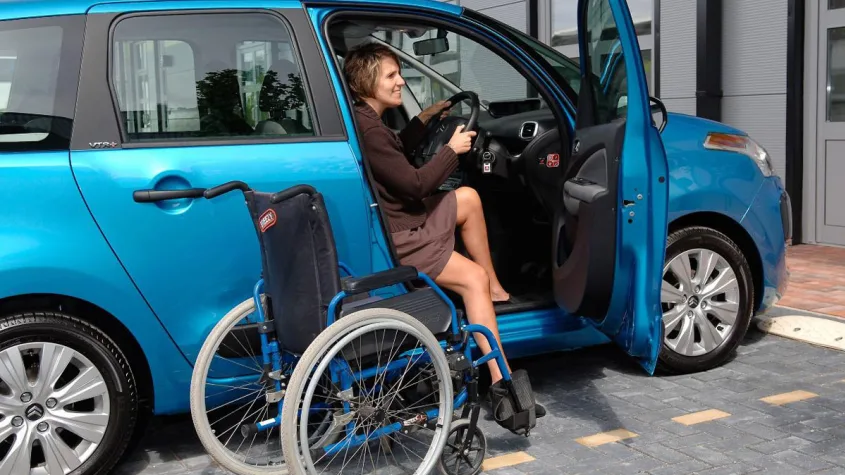
Campaigners say the scheme is not a perk but a lifeline. It enables disabled people to live independently, access work, and participate fully in society.
Kat Watkins, from Disability Wales, warned that the proposed changes could isolate disabled people and make them feel like “second class citizens.”
She said reforms risk preventing people from accessing work and could lead to social exclusion. “Without reliable transport, disabled people are cut off from employment, education and even basic social contact. The Motability scheme is not a luxury — it is a necessity.”
Local voices echo that concern. Derrick Farr, from Barry, who had a leg amputated, described his Motability car as a “lifeline” to independence and said he would be “lost” without it.
Budget reforms spark controversy
The debate has intensified following the Government’s Autumn Budget. Chancellor Rachel Reeves confirmed that tax breaks available to Motability will be reduced from July 2026.
VAT relief will be removed for “top‑up” payments made to lease more expensive vehicles. Insurance Premium Tax will be applied at the standard rate to Motability insurance contracts.
Luxury marques such as BMW, Audi and Mercedes‑Benz have already been removed from the scheme. The Treasury says the changes will save more than £1 billion over five years and ensure Motability continues to deliver for its customers.
But young disabled people have reacted angrily, saying the new charges add hefty and unfair costs. Disability Wales criticised the Chancellor’s use of the phrase “generous taxpayer subsidies,” arguing it fuels misunderstanding of how the scheme works.
Claimants do not receive cars for free. They surrender their mobility allowance — a benefit designed to offset the extra costs of disability — to lease a vehicle. “Framing the scheme as a hand‑out undermines public support and stigmatises disabled people,” Watkins said.
Political battle lines
Conservative leader Kemi Badenoch has pledged to tighten eligibility further, arguing that cars should be reserved for those with serious physical disabilities.
The party has gone further by promising to block access to Motability for people whose entitlement is based on mental health disorders, claiming the scheme was never intended to cover psychological conditions.
Welsh Conservative MS James Evans welcomed reforms, saying the scheme’s “explosive growth and spiralling costs” must be contained.
But disability advocates strongly oppose restricting eligibility to physical conditions only. They argue that severe anxiety, PTSD, autism or ADHD can make public transport impossible, and that cars are essential for daily life.
Disability Rights UK and more than forty charities warned the Chancellor that cuts announced in the Budget will have “dire consequences” and risk “pricing disabled people out of the scheme.”
Disability Wales added that the focus on “luxury” cars ignored functional needs, noting that larger vehicles are often required to accommodate equipment such as wheelchair hoists. “What looks like a luxury badge to the Treasury may be the only practical option for a disabled family,” Watkins said.
Disability Wales warns of wider impact
Disability Wales has described the reforms as being driven more by negative media rhetoric than by consultation with disabled people.
The organisation fears the changes will make life more expensive and more difficult for those who already face barriers to independence.
Campaigners highlight that the removal of premium brands ignores the reality that bigger, solid‑built cars are often necessary to carry medical equipment.
They also warn that taxing insurance and advance payments will hit younger disabled people hardest, adding costs at a time when they are trying to build independent lives.
Watkins said: “The danger is that disabled people are being punished for political headlines, and that risks turning a lifeline into a battleground.”
Disability Wales argues that reforms must recognise the diversity of disability, including mental health and neurological conditions, and ensure that independence is not sacrificed for the sake of savings.
Watching the road ahead
Across Wales, the figures underline the scale of reliance on Motability. With 33 per cent of new car sales linked to the scheme, Wales stands apart from other regions such as the North East of England, where the figure is 26 per cent, and London at 24 per cent.
As reforms loom in 2026, South West Wales will be watching closely to see whether changes to tax reliefs and vehicle choice reduce access — or whether the scheme can continue to meet the needs of thousands of local residents who depend on their cars for independence, dignity and daily life.