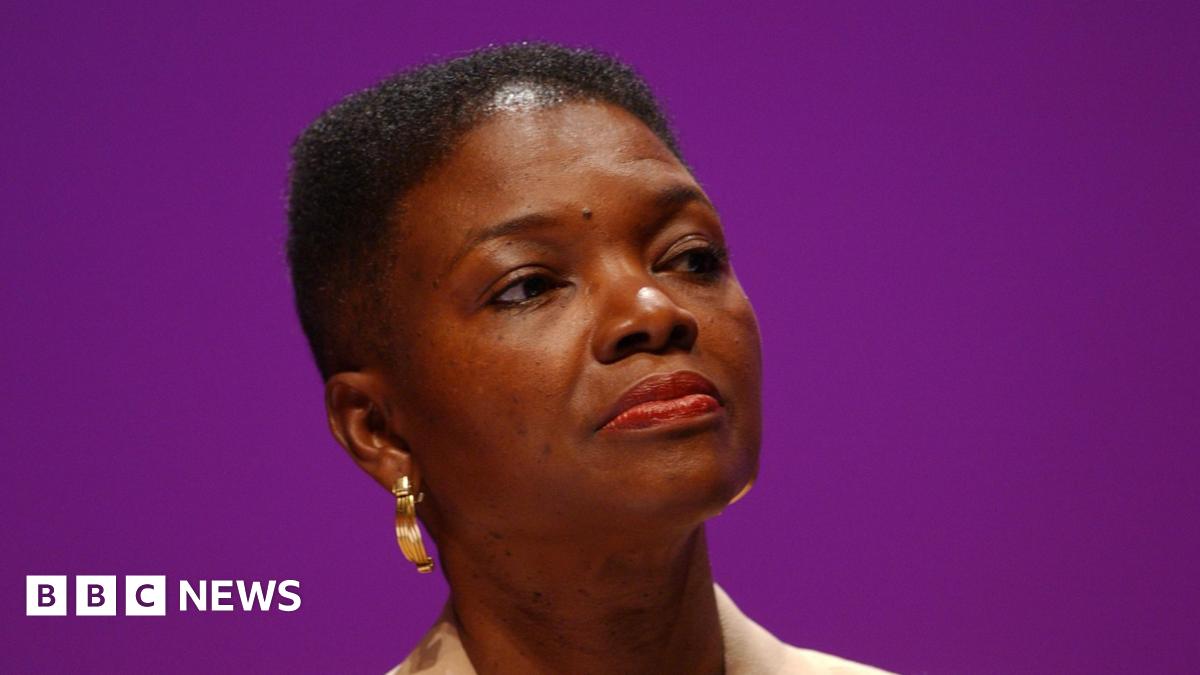
Following visits to seven NHS trusts as well as meeting over 170 families, Baroness Amos said she had consistently come across:
-
a lack of cleanliness, women not receiving meals, or getting help to use the bathroom with catheters not being emptied
-
women not being listened to, including concerns about reduced fetal movements
-
women of colour, working class women and those with mental health problems receiving discriminatory care
-
NHS organisations “marking their own homework” when babies died or were harmed, with poor behaviours, including inappropriate language not being tackled
The review has also engaged with staff in maternity services. Some reported having rotten fruit thrown at them, while others said they faced death threats after negative publicity or were attacked on social media.
Adverse media attention could make delivering high quality care more difficult, they said, although it had also acted as catalyst for improvements.
Baroness Amos’s final report will be published in the Spring, but her inquiry is controversial. Some families believe that limitations on what it can do, and the short time is has to do it, will mean that meaningful action cannot follow.
The Maternity Safety Alliance, which wants to see a statutory public inquiry into maternity failings, said the initial reflections had “prioritised” staff feelings while minimising the “avoidable harm taking place in NHS maternity services every day”.
“This is entirely the wrong process to fix the deep seated and long standing failings in maternity care and we do not understand why [Wes Streeting] is allowing this farce to continue.”
Streeting will chair a new National Maternity and Neonatal Taskforce in the New Year which will be responsible for implementing Baroness Amos’s recommendations. He promised that families who’ve suffered poor care “will remain at the heart” of what follows the review.
James Titcombe, a long standing maternity safety campaigner since he lost his son Joshua in 2008, said that while the issues identified by Baroness Amos “mirror long-standing problems we’ve known about for years,” he was supportive of its work as representing “the best opportunity in a generation to finally put maternity services on a safer path.”