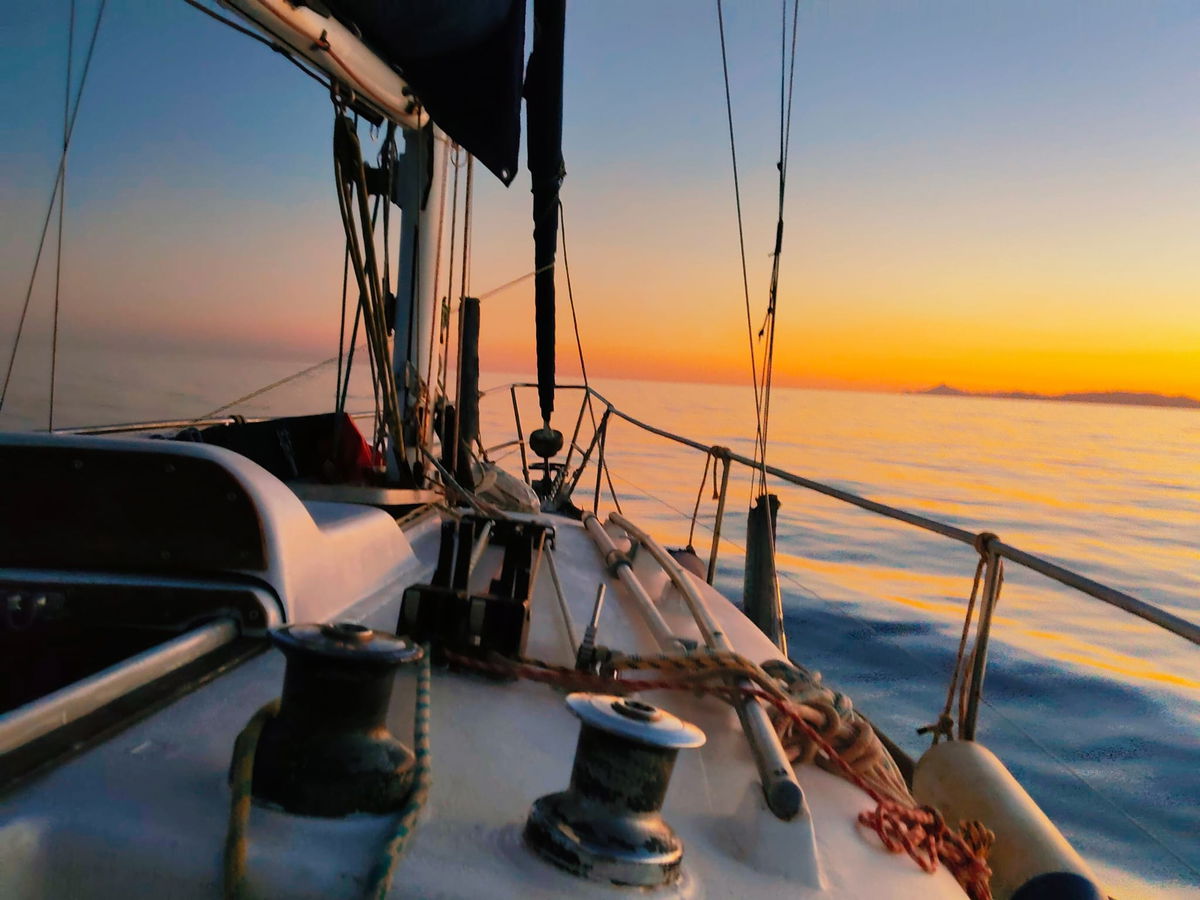
The open ocean remains one of the largest and most poorly documented ecosystems on Earth. Photo credit: Pelagics conservation
Pelagics, a British-run marine conservation NGO currently based in Almerimar (Almería), has launched a new initiative called the Skippers Network, designed to involve fishermen, sailors and members of the public in marine conservation and scientific monitoring across Spain. The project allows participants to record sightings of marine litter, wildlife and environmental changes while at sea.
Through the network, registered users can log GPS coordinates, timing, written observations and photographs or videos, which are collected into a shared database. This information is later used to support scientific investigation, helping researchers build a clearer picture of conditions in the open ocean.
Speaking to Euro Weekly News founder Alexander Sánchez said: “Citizen science has proven extremely useful in both land and coastal conservation projects, and this programme is taking it even further in the sense that the open ocean is lacking scientific data and is a harsh environment where few people venture.”
Most Read on Euro Weekly News
Why the open ocean matters
Skippers provide unique scientific insight
The open ocean remains one of the least studied ecosystems on the planet, in part because of the difficulty and cost of long-distance marine research. Pelagics believes that skippers are uniquely placed to help overcome this barrier.
Sánchez explained: “Skippers spend a lot of time living and working in offshore waters, which means they often encounter wildlife or human impacts that would otherwise go unseen.” He added: “Through this programme we look to fill knowledge gaps but also build up a community of skippers who share a passion for the ocean.”
The organisation believes that combining professional research with real-world observations from those already working at sea can significantly improve understanding of marine threats and biodiversity trends.
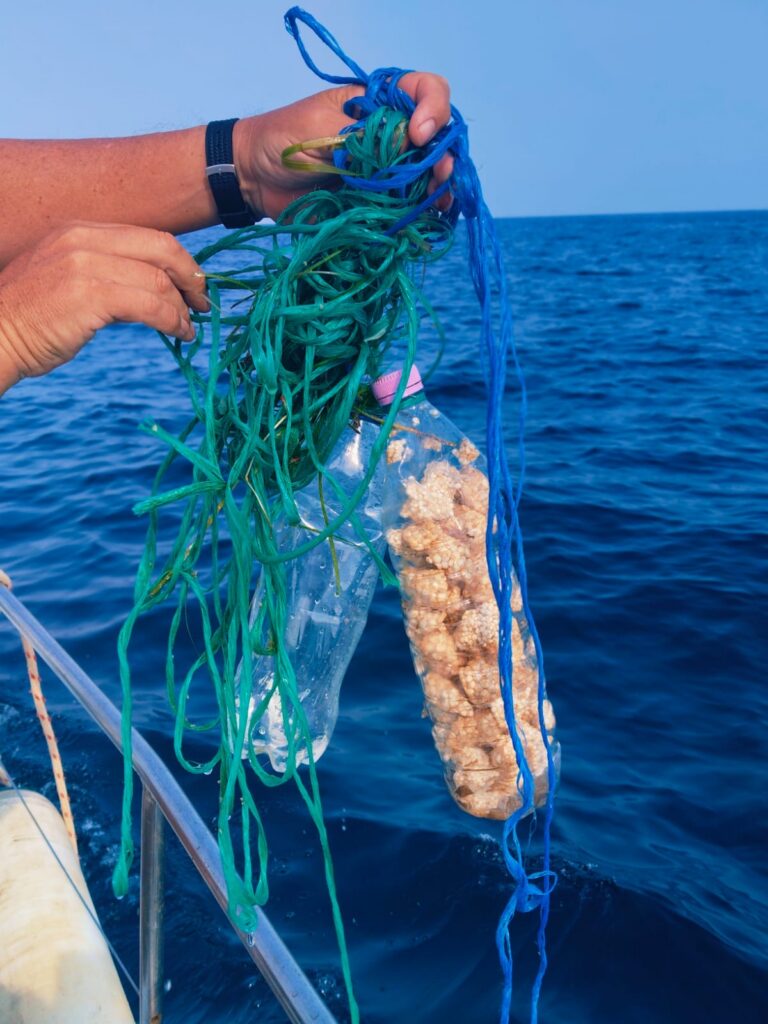 Ghost FADs like this can be reported by sailors through their skippers network. Photo credit: Pelagics Conservation
Expansion planned for 2026
Training and ethical standards introduced
During 2026, Pelagics plans to expand the Skippers Network and introduce basic training and formal ground rules. A key principle of the programme is that participants must never actively chase or disturb wildlife while collecting data.
There are no minimum experience requirements to join. No sea-time thresholds or formal nautical qualifications are required, making the programme accessible to professional fishermen, recreational sailors and ocean enthusiasts alike.
Key points
- Pelagics has launched the Skippers Network to support marine conservation across Spain.
- Participants can log sightings of marine litter, wildlife and environmental changes.
- Data includes GPS coordinates, timestamps, notes and images or video.
- Founder Alexander Sánchez highlighted the lack of open-ocean scientific data.
- The network will expand in 2026 with training and ethical guidelines.
Conclusion
A growing community of ocean guardians
The Skippers Network represents a growing effort to combine citizen science with professional research. By empowering those who already spend time at sea, Pelagics is building a nationwide community focused on protecting marine ecosystems and improving scientific understanding of Spain’s offshore waters.