Your support helps us to tell the story
From reproductive rights to climate change to Big Tech, The Independent is on the ground when the story is developing. Whether it’s investigating the financials of Elon Musk’s pro-Trump PAC or producing our latest documentary, ‘The A Word’, which shines a light on the American women fighting for reproductive rights, we know how important it is to parse out the facts from the messaging.
At such a critical moment in US history, we need reporters on the ground. Your donation allows us to keep sending journalists to speak to both sides of the story.
The Independent is trusted by Americans across the entire political spectrum. And unlike many other quality news outlets, we choose not to lock Americans out of our reporting and analysis with paywalls. We believe quality journalism should be available to everyone, paid for by those who can afford it.
Your support makes all the difference.Read more
America is facing a looming crisis in caring for rising numbers of Alzheimer’s patients — and that challenge is likely to be far greater for people in rural areas.
Alzheimer’s disease affects more than 7 million Americans, a number that’s expected to double by 2060, as the U.S. population ages.
New research, presented by the Society for Risk Analysis, looked at a handful of rural Maryland counties and discovered that while Alzheimer’s deaths in those communities were sometimes between three and four times higher than in urban areas, there were low numbers of actual diagnoses.
It seemed to suggested that cases of Alzheimer’s are being missed due to a lack of doctors and hospitals in certain “hot spots,” the society said.
Other reports have revealed similar patterns across the U.S. also tied to a lack of doctors and hospitals in rural areas. A November study, from the University of Rochester, found a major drop in family physicians practicing in rural areas, with an 11 percent decline between 2017 and 2023.
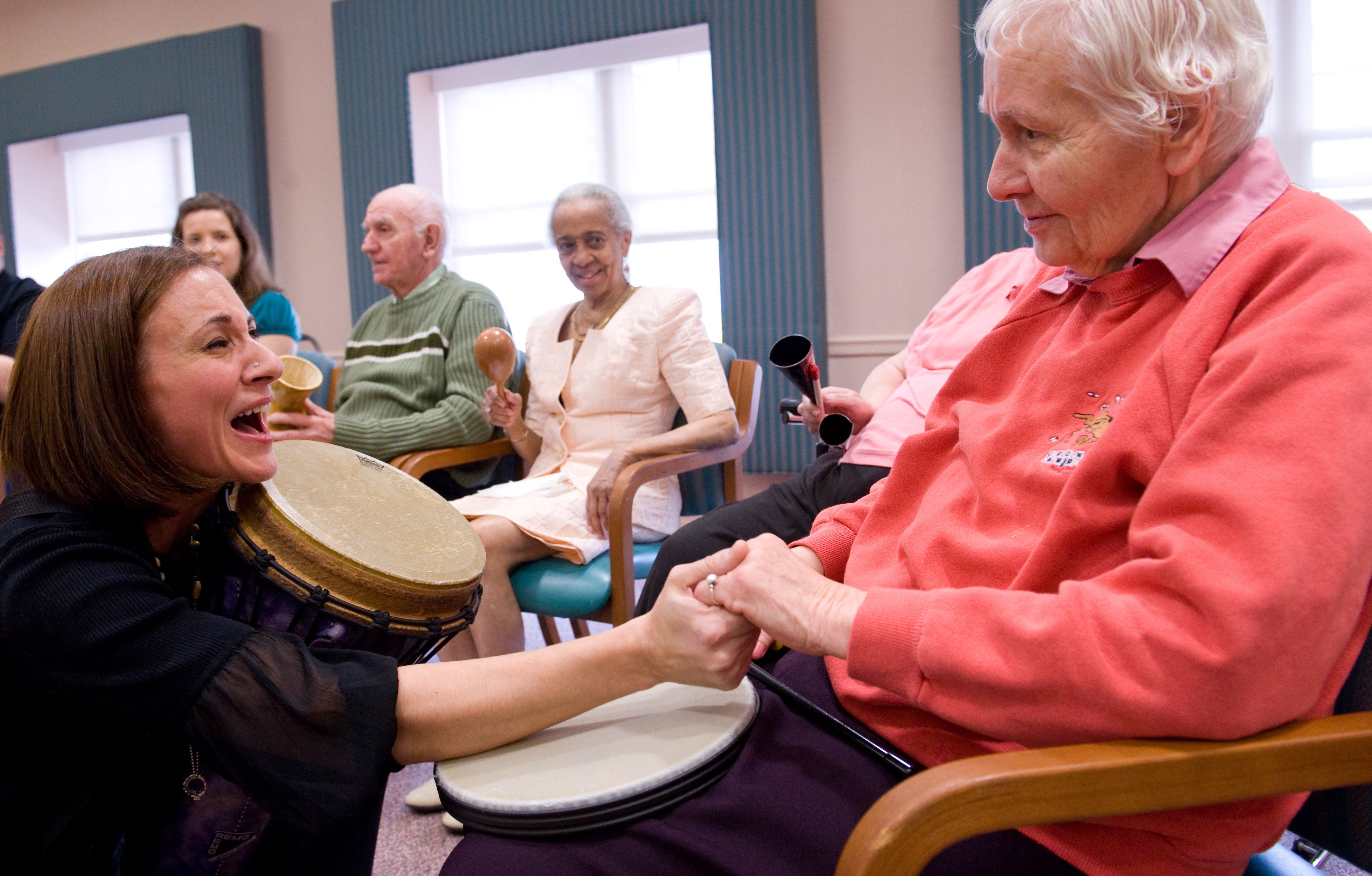
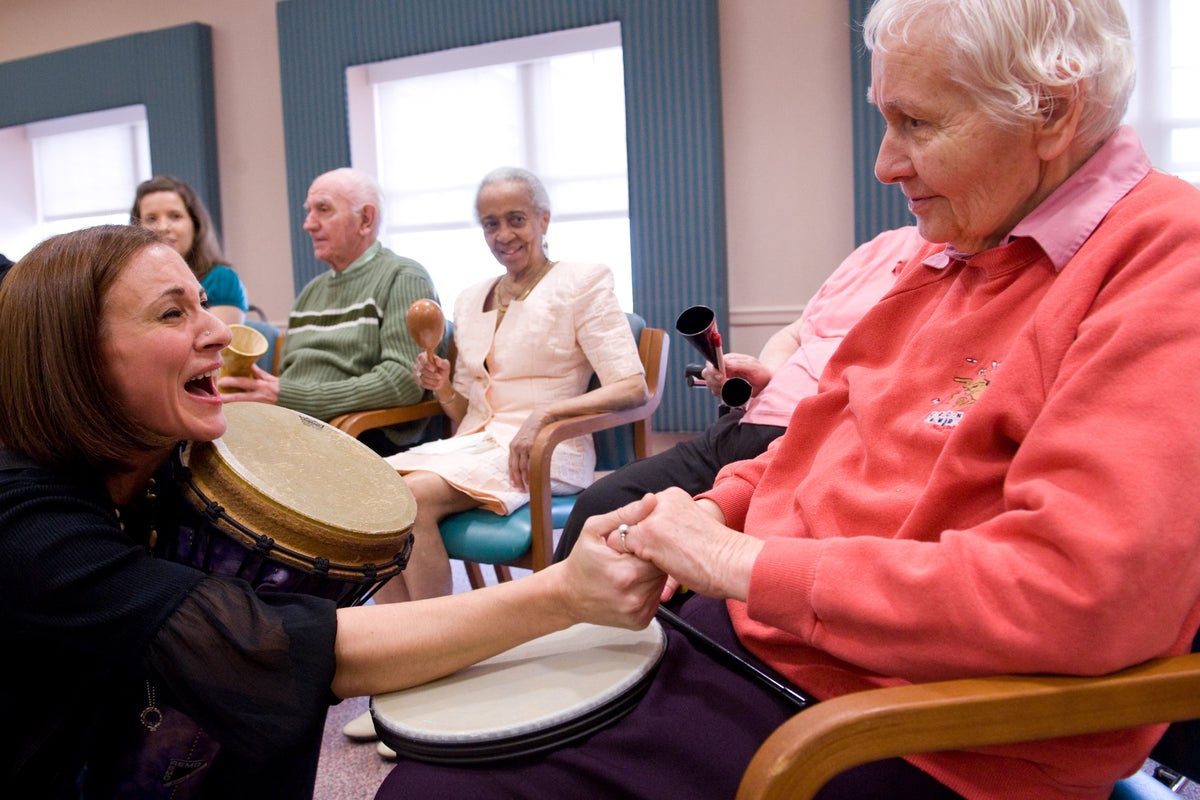
open image in gallery
A music therapist leads a drum circle of Alzheimer’s disease patients in Maryland in October 2009. A new analysis has found that Alzheimer’s patients in rural communities are underserved (AFP via Getty Images)
The Northeast was the worst impacted area, according to the researchers, who noted that overall, fewer medical students are choosing family medicine as a specialty.
A 2023 report from the Government Accountability Office showed more than 100 rural hospitals closed from 2013 to 2020, forcing residents to travel about 20 miles farther for common health care services, and 40 miles farther for less common services.
“As a result, patients in rural areas, many of whom are over 80 years old, often face the additional burden of traveling much longer distances to access the care they need,” the Society for Risk Analysis said in a statement.
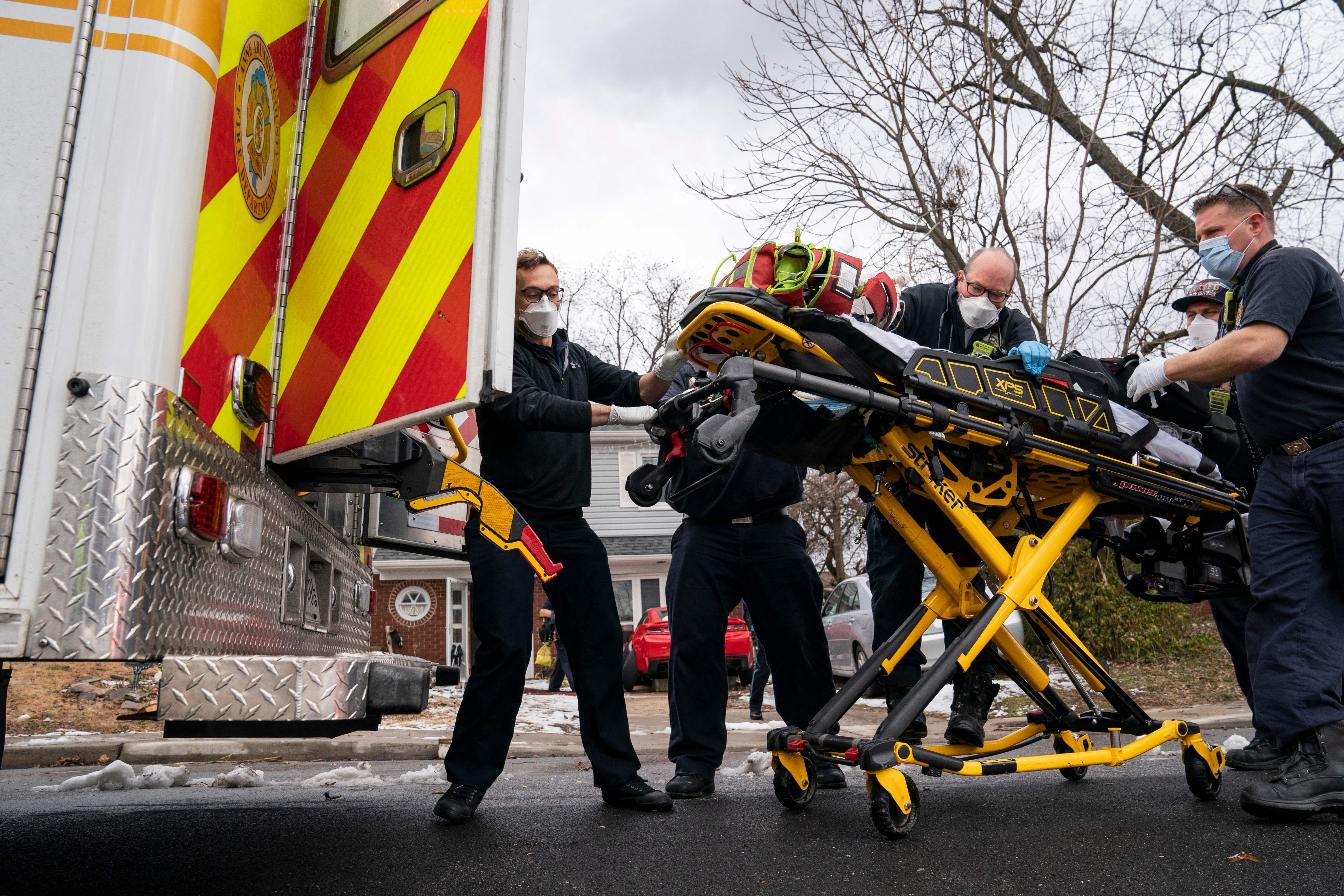
open image in gallery
Firefighters and paramedics with Anne Arundel County Fire Department load a patient into an ambulance in Glen Burnie, Maryland, in January 2022. Some patients in rural communities have to travel distances over 40 miles for care (AFP via Getty Images)
The group analyzed health care options for more than 400,000 Alzheimer’s patients in Maryland’s nearly two dozen counties.
The society’s analysis found “hot spots” areas where Alzheimer’s patients suffer from a lack of medical care in eight counties, including Garrett, Allegany, Kent, Calvert, Queen Anne’s, Talbot, St. Mary’s, and Charles.
But the researchers noted that these so-called “hot spots” will be replicated across the country.
“The rural-urban disparities we found here, where urban centers have better access and rural areas are left behind, are consistent with national trends,” the society told The Independent.