Britain can “without a doubt” compete with the United States and become an international hub for cryptoassets, the City minister has said as the government sets out legislation to regulate the nascent digital assets market.
Lucy Rigby said that the move, which has long been awaited by the cryptocurrency industry amid criticism the UK is moving too slowly, demonstrated that Britain intended to “lead the world in digital assets adoption”.
“This is about a recognition that cryptoassets are here to stay and so we need to modernise regulation to ensure that it’s fit for the digital age,” she told The Times. “Firms have been very clear with us that they want this regulatory clarity because it will allow them to invest here.”
Crypto companies say that the UK is falling behind other jurisdictions in setting rules for digital assets such as bitcoin, which some believe have the potential to transform finance. Others are more sceptical about the benefits and the Financial Conduct Authority has repeatedly warned buyers to be prepared to lose all their money.
In the US, President Trump has pledged to make America the “crypto capital of the world” and has pushed for a light-touch approach to regulation. The European Union has also forged ahead with its own rules, putting further pressure on the UK, where crypto firms are largely unregulated, to accelerate its plans.
The fear is that the UK will lose out on investment and new jobs if it does not quickly establish a framework for the industry. Legislation put forward on Monday paves the way for Britain to have rules in force by 2027. It now falls to the FCA to craft the details of the UK’s regime.
• Bitcoin price falls below $90,000 amid AI jitters after Oracle results
In September the UK and the US set up a “transatlantic taskforce” to co-operate on digital assets while regulations are being drawn up. Yet the US has powered ahead with parts of its regime. In July Trump signed the Genius Act, which was America’s first significant piece of federal digital assets legislation and focuses on stablecoins, a type of cryptocurrency that is pegged to another asset, such as the dollar. The president’s family has also backed crypto projects, boosting the Trump dynasty’s wealth.
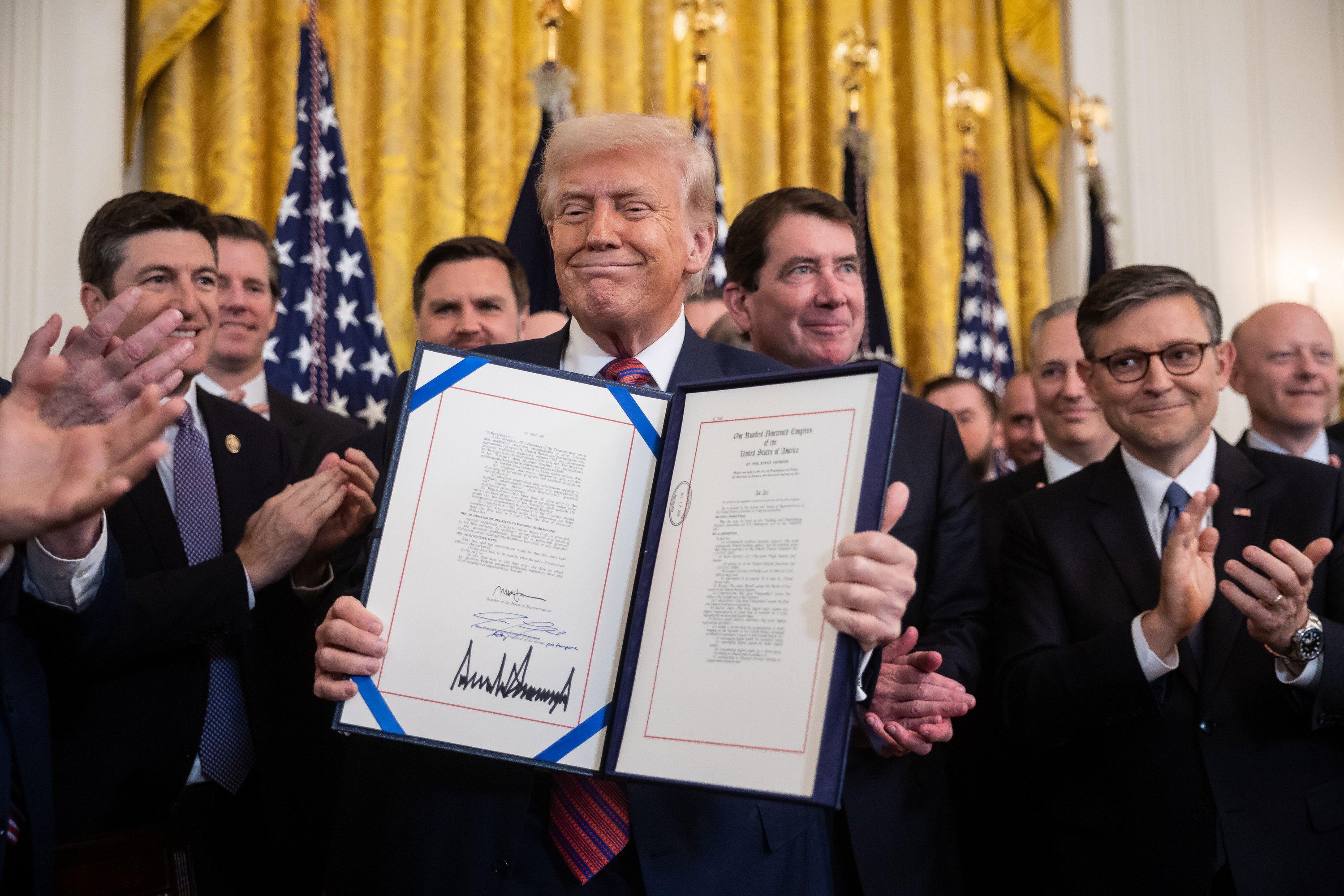
President Trump signs the Genius Act
FRANCIS CHUNG/UPI/ALAMY
Asked whether Britain could compete with the US, Rigby insisted: “Definitely, without a doubt.”
“This is really forward-leaning legislation,” she said. “It’s comprehensive, it’s offering protections to consumers in the way that we would for other financial products like stocks and shares.”
Research commissioned by the FCA last year suggested that 12 per cent of UK adults, about seven million people, owned cryptocurrencies, even though the digital assets industry is largely unregulated and the price of coins can be volatile. “We’re recognising that more and more people are investing in cryptoassets,” Rigby said.
There are broader concerns in Westminster that the wider British financial services sector is becoming less internationally competitive and that business is being lost to rival centres, such as Wall Street. This has led the government to urge the FCA and the Bank of England’s Prudential Regulation Authority, the other main City regulator, to cut red tape.
Asked whether she was pleased with the pace of change at the FCA and PRA, Rigby said that “both regulators have made significant steps forward” but there was “further to go”.