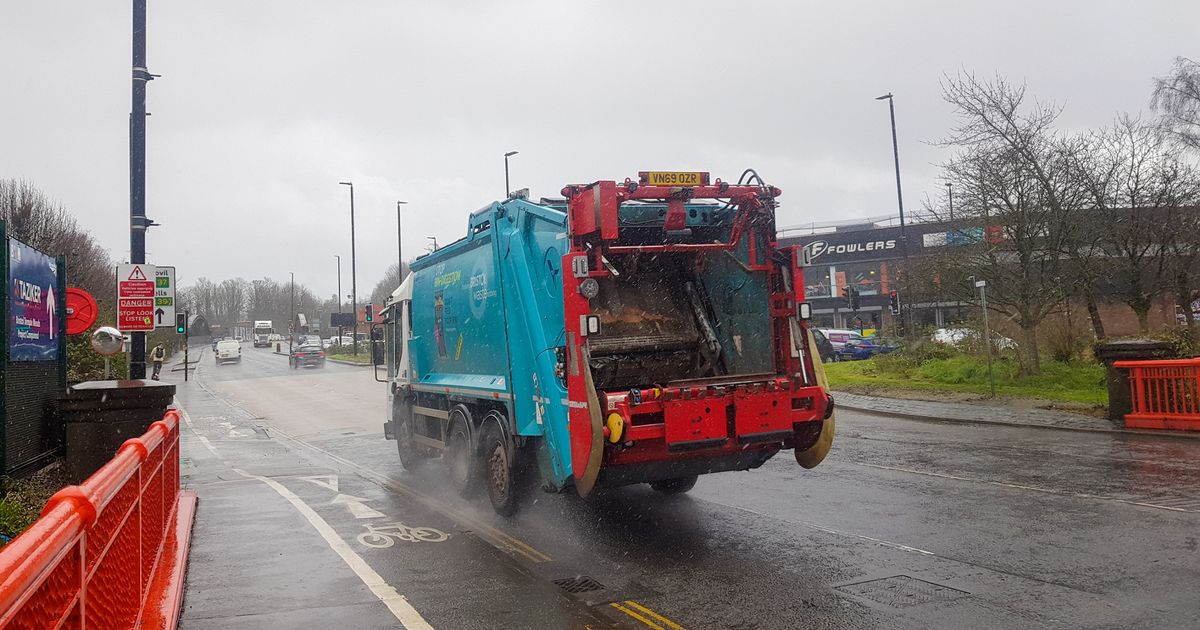
New bin lorries could soon be bought to help cope with the huge amount of cardboard people throw away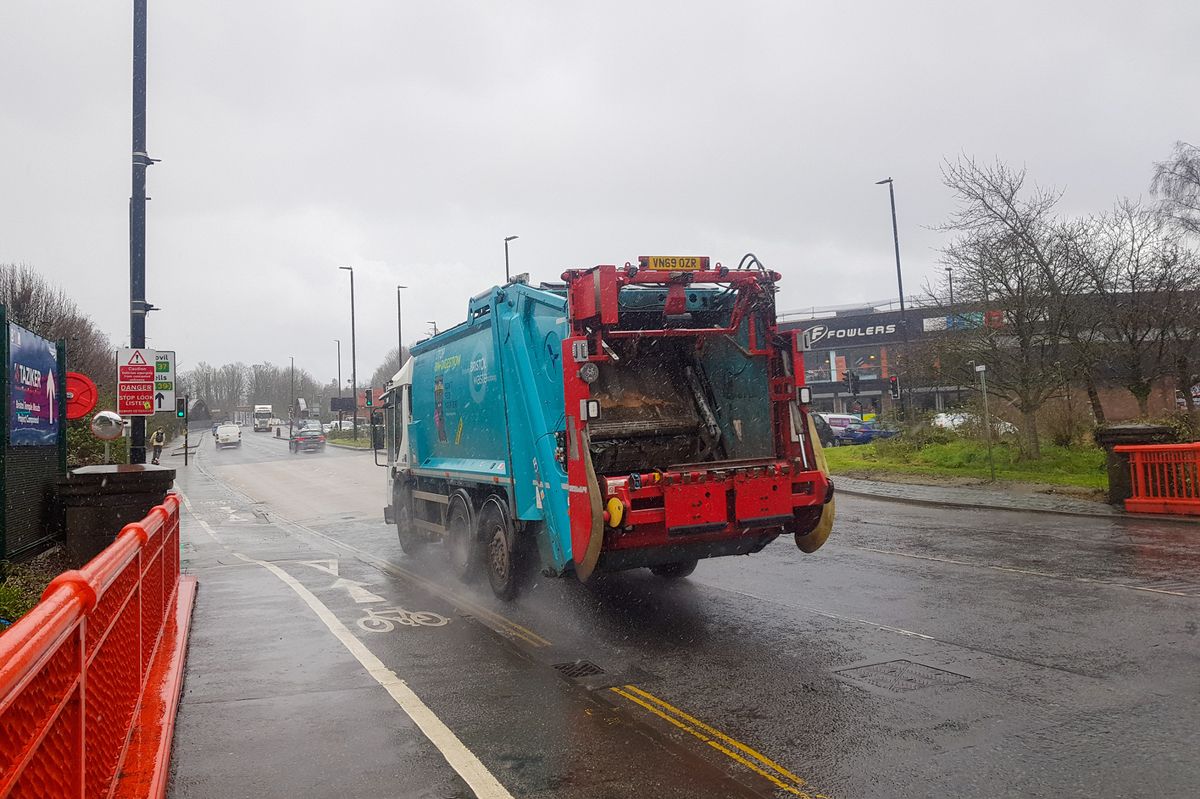 A bin lorry on the Bath Road(Image: Alex Seabrook)
Missed bin collections in Bristol have partly been blamed on a huge increase in online shopping and cardboard packaging. Since the pandemic a lot of people are buying more purchases off of the internet and getting delivered to their home, often packaged in oversized cardboard boxes.
But the bin lorries used by Bristol Waste predate this boom, and all the extra cardboard is filling them up much more quickly than before. Bristol City Council is now planning to buy new bin lorries which are more flexible, to accommodate more cardboard and any future changes too.
Bin men are collecting twice as much cardboard as before, meaning they have to return to a recycling depot to offload this before continuing their rounds. An update on the new bin lorries will be given to councillors on the environment policy committee on Thursday, December 18.
Green Councillor Martin Fodor, chair of the committee, said: “More people working from home, the rise of streaming, and the huge growth in online shopping are just a few of the lifestyle changes in the past decade. Lifestyle changes, a growing population, and new retail practices mean more packaging and different materials.
“Missed collections due largely to ageing and undersized cardboard storage on trucks causes frustration, so options include modernising the fleet and redesigning collection routes to make services more dependable. At the same time, quieter, electric and low-emission vehicles are being pursued as an option, to reduce noise and air pollution in residential areas.
“Our teams collect far more cardboard than before due mostly to more online purchasing. We’re currently dealing with double the cardboard we used to collect, meaning vehicles can frequently be overloaded with card and must travel away to empty this while still having plenty of capacity for all the rest of our recycling. This is a significant cause of uncompleted and delayed rounds.”
Some of the new bin lorries will likely be narrower than the existing ones, to help drivers navigate around residential roads which often have parked cars on both sides. This is another factor contributing to missed collections. Lorries could also either be electric, or ready to be converted to electric at a later date, to save fuel costs and reduce the amount of pollution.
The fleet of new vehicles is expected to cost £13 million. Bristol Waste has two depots: in Avonmouth and St Philip’s Marsh. The St Philip’s site on Albert Road will be relocated, due to the massive regeneration plan in the area known as Temple Quarter. Depots will be ready to have electric vehicle charging points and future-proofed for expanded recycling capacity.
Construction on the relocated depot is expected between 2028 and 2030, although its location hasn’t been decided yet. As well as having too little space for cardboard, the existing vehicles have too much space for cans, plastic and glass, with these compartments often remaining unfilled. Soft plastics will start to be collected with recycling too, but at the moment are not.
Separately the environment committee is also due to decide whether to press ahead with a controversial plan to collect general waste in black bins once every three weeks, instead of fortnightly. While unpopular, this is expected to drive up recycling rates and save the taxpayer money, as much of what people put in their black bins at the moment could actually be recycled.