– Advertisement –
Soho House has, after a few false dawns, now officially opened in the former Granada Studios building.
“Bringing Soho House to Manchester feels like a natural step,” said Local Head of Memberships, Paris Armani. “The city’s cultural impact has always been huge, and right now there’s a fresh energy that makes it one of the most exciting places to be. The House will be a place for members to connect with that spirit, to meet, collaborate, and be part of what’s next for Manchester.”
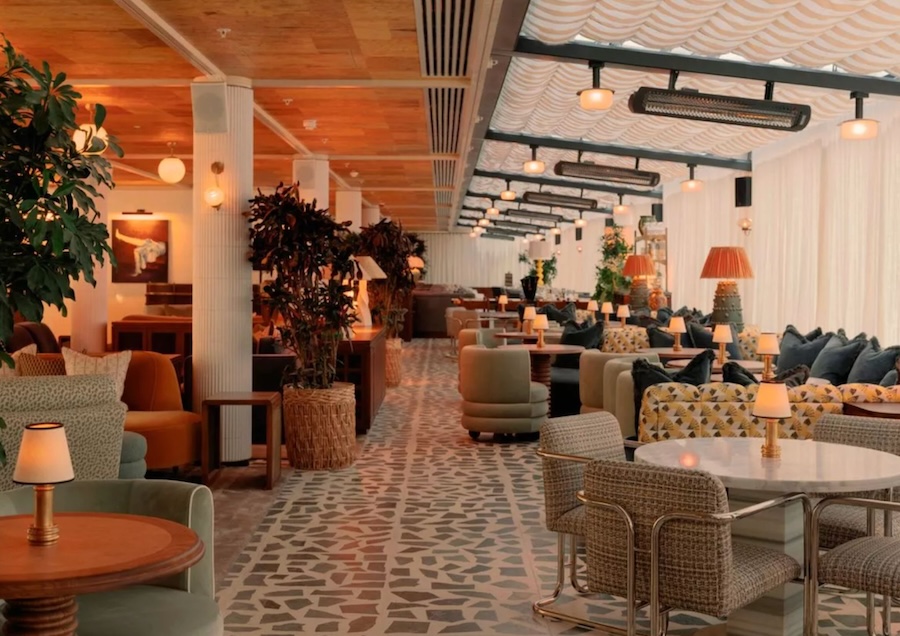 The swanky settings of Soho House
But long before the Water Street site was a glimmer in the eye of the global brand, Manchester had places for people to connect, meet, collaborate and shape the city.
A history of private members’ clubs in Manchester
So here’s a brief history of private members’ clubs in Manchester, from the days of Victorian mill owners through the socialisation of sport via the city’s uneasy relationship with organised crime.
Membership cards at the ready, please. If your name’s not down, you’re not coming in.
St James Club
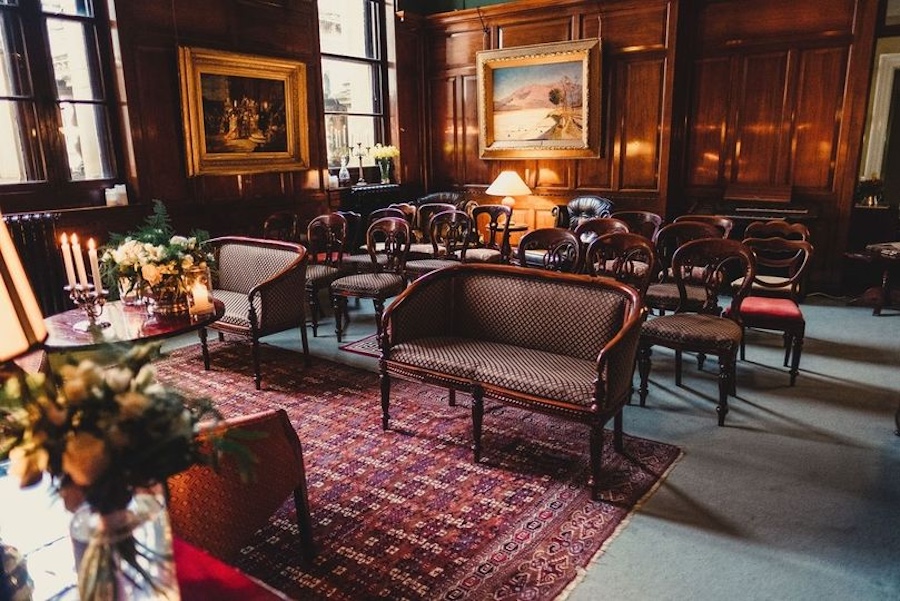 St James Club
The oldest members’ club in Manchester, still standing strong today, is the St James Club. Perched at the top of King Street since 2001, the club itself has existed in various names and locations since 1825, a time when Manchester was still in the grip of great change, much like it is now, as St James Club Chairman, Rowan Stone, explained.
“As the Industrial Revolution concluded, the streets became punctuated by the corner turrets of mills, and the air of coal fires filled the smoggy streets,” he said.
“It must have appeared like a very different place to city dwellers of that time. The clubs of those times provided a sanctuary for business owners like cotton merchants and printers.
“Two hundred years on, and we see a more modern revolution in Manchester as it becomes a powerhouse of the UK, with tech, finance and the sciences just some of the current industries of Manchester.
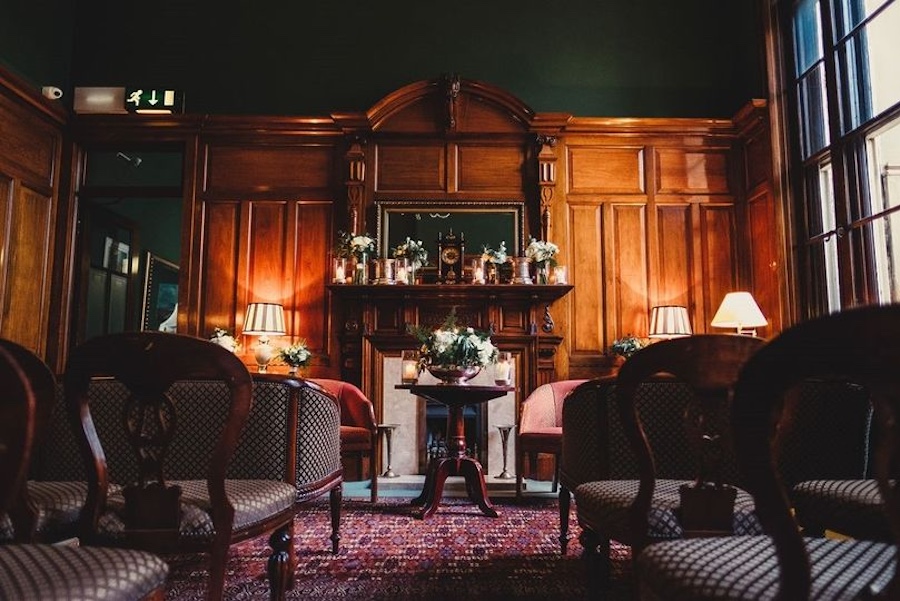 Sumptuous settings of St James Club
“Just a couple of decades ago, Members of our club were radically repurposing the mills of that time into housing. Now, they are dwarfed by the skyscrapers we’ll become known for. So much has changed in two hundred years, yet so much repeats. The club continues to provide a sanctuary and a place away from the hectic revolution of Manchester, while itself evolving to meet the needs of an ever-changing city.”
So it seems the more things change, the more they stay the same.
But what purpose did these clubs serve outside of the obvious benefits of business networking and a breath of fresh, fog-free air?
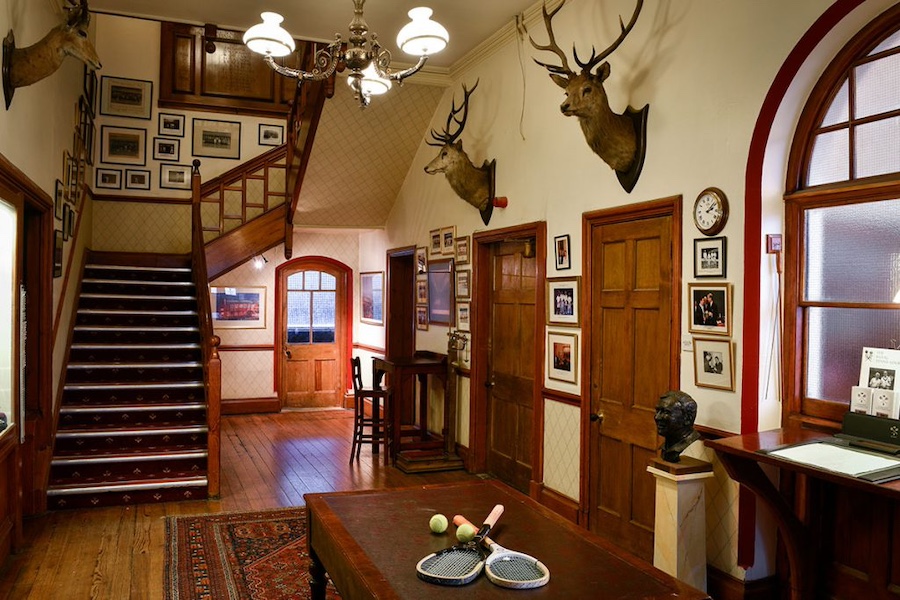
Manchester Tennis and Racquet Club
 Manchester Tennis and Racquet Club
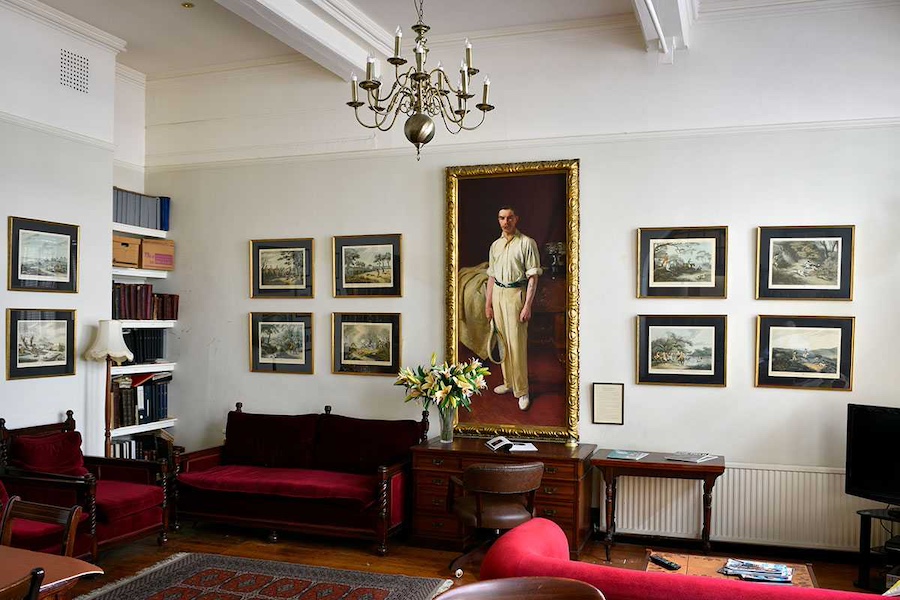
Over the Irwell in the Blackfriars area of Salford sits the Manchester Tennis and Racquet Club. Established in 1876, and celebrating its 150th anniversary next year, it continues to serve a function similar to that of the St James Club, a sanctuary from the working world outside.
One difference, however, is that its home, now Grade II listed, was built with not only a dining room and bar but courts for racquet sports, and in doing so provided that very Victorian mix of sport and sociability that is now more likely enjoyed in Pure Gyms and running clubs. So-called ‘Third Spaces’ are becoming a growing need, especially for young people, and MTRC has always provided that space, as General Manager Stella Heap explains.
“It’s always acted as a home from home for our members,” she said. “They would often work or have businesses in the local area, so they’d come here before lunch for an hour or so on the courts, then stay for lunch and go back to work after, or go home. Even now, when the students who come to Manchester search us out, I say, ‘You’ve got your student accommodation, and here you’ve got somewhere else to go to as well.’
 Manchester Tennis and Racquet Club
“I don’t like the word ‘private’ because it makes people think they can’t come and join, which of course they can. Anyone is welcome to come and try it out. Yes, you’re supposed to have two sponsors – a proposal and a seconder – but if you move to Manchester, and you don’t know anybody, how are you going to have a proposal and a seconder? So that’s why we like people to come in and use the club.
“If you move to Manchester and come to one of these clubs, all of a sudden you’ve got 100 new friends just like that. It’s just such a nice, easy way of meeting people. You can’t afford not to be inviting, and our members really do look after each other. All we say is you can discuss business anywhere in the club except the dining room. It’s traditional but when people walk through the doors of the club, they like that aspect, and the smell of the place.”
The Circle Club
By the turn of the millennium, the traditional industries of Manchester were either fading or had already vanished, and in their place began a new nexus of media and property players that needed their own home from home.
 The Circle Club
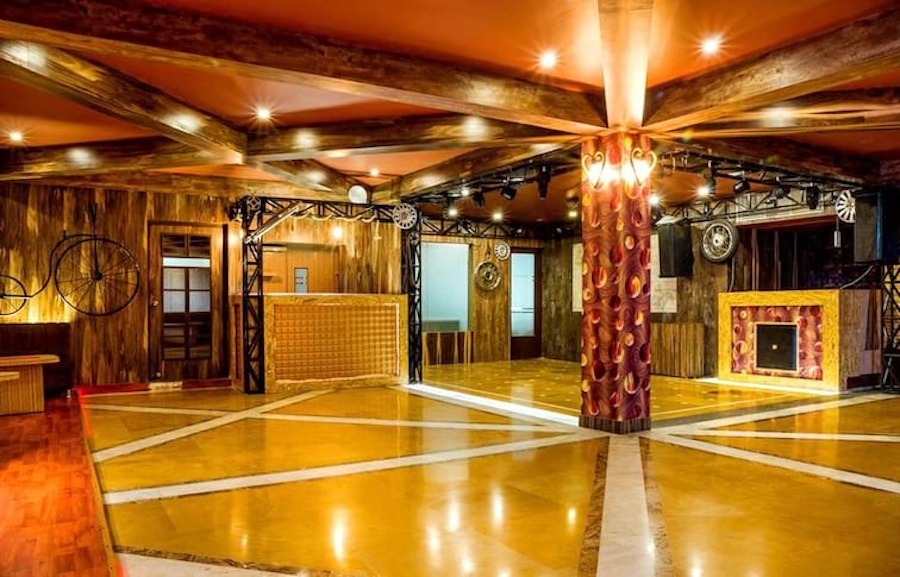
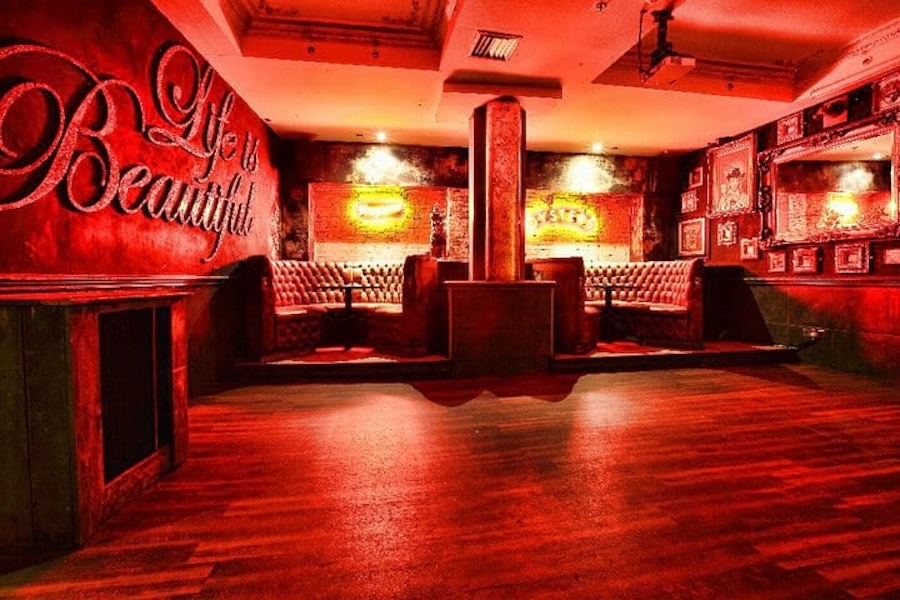
Thus began The Circle Club in 2001. Opened off Barton Arcade by fashion stylist Dominic Apenteng and broadcaster Deepa Parekh, it was set out as a place for the new media of Manchester to descend upon and call their own, and for a time it was exactly that, as Confidentials owner, Manchester media stalwart and early member of the club, Mark Garner, explains.
“There was a real appetite for it,” he said. “The Commonwealth Games had a huge influence on the regeneration of Manchester, and part of that regeneration was the media, which was growing up in the Northern Quarter, led by the music scene and Tony Wilson, and they were all rough and ready clubs. Old media was coming to an end, the new media was coming forward with the internet, and so you had all these people coming around – including the property people who considered themselves part of the media, don’t ask me why – so everybody drank out of the same cup.
 The Circle Club
“I can’t remember the cost of it, but you had to go for an interview to make sure you passed as the media, and it was very exclusive – the top strata of people across the industries, not just the media. 80% are wannabes, but the reality is it’s £3000 in the pot, and the business model of these places is for people to be able to say they’re a member, even if it’s only for six months.”
That drive to be where the action is was something onetime regular Jonnie Gregory also found, especially at a time when it seemed like everyone in the social scene knew each other.
“I remember first going in about 2009 when it was really, really popular. Everyone in Manchester used to go out in sort of the same groups; everyone knew everyone, and we only used to go to one place. It wasn’t like Manchester now, where there are hundreds and hundreds of bars and clubs to choose from; you didn’t have that many. So it was one of those places that the scene started to move to. It was one of those places that you’d want to go to all the time. We used to go every single weekend.”
What caused The Circle Club to close?
But something that had also plagued the glory days of the Hacienda eventually took root in The Circle Club, and spelt its eventual demise.
“Something happened that has happened to every members’ club of that type for the past 40 years,” explained Garner. “The gangsters want to go. They go to the managers, frighten them to death, and they have to be let in.”
“It became particularly nasty at Circle Club,” he continued. “The drugs and guns boys from Salford and Moss Side came in, and when the top guys are there, the lieutenants want to be there too – and the lieutenants cause problems.”
“There was a lot of testosterone in the air all the time, and the members noticed it,” Garner said. “No self-respecting gangster will want to go to the St James Club, but if you have a trendy club, there are going to be gangsters.”
“It’s a tragedy what happened,” he added. “There was a genuine hunger for the Circle Club from everybody. It was an exciting time when we were all getting to know each other, and the three or four different business areas were starting to gel together.”
“If you’d been to an awards ceremony, everybody went to the Circle Club afterwards and stayed until four or five in the morning,” Garner recalled. “If you had a business meeting and wanted to impress somebody, you went there.”
“I can’t actually remember ever eating there – but I definitely did,” he laughed. “I once woke up at six o’clock in the morning in a skip 20 yards down the road. Like I say, it was an exciting time.”
Will Soho House succeed in Manchester where others failed?
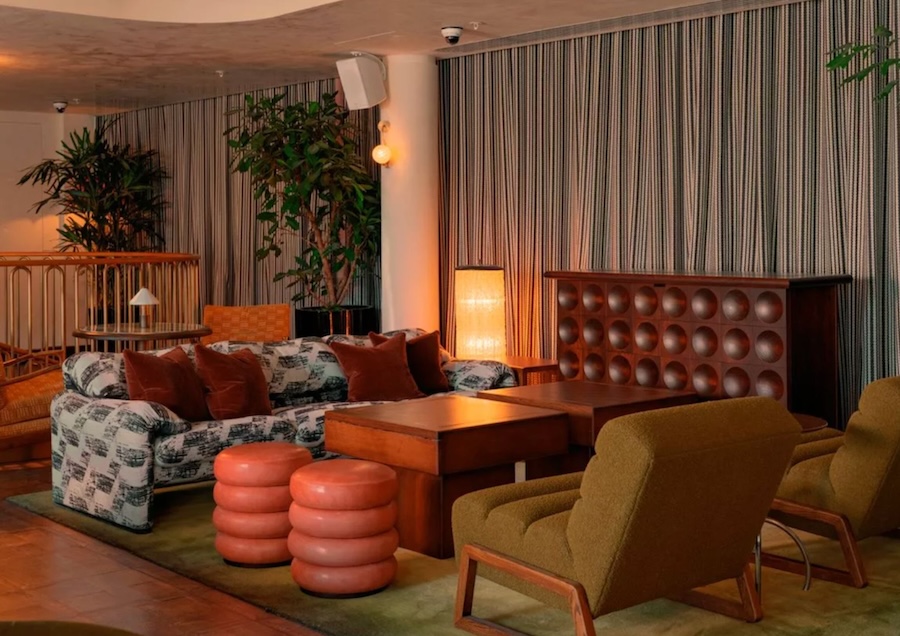 Soho House Manchester lounge with wooden floor, sofas and armchairs
With Manchester now undoubtedly a more corporate, and some would argue more homogeneous landscape, does that mean the foundations are there for somewhere like Soho House to succeed where others didn’t? Only if they attract the money, which Garner believes is not to be found in the pockets of media millennials.
“Media people in Manchester currently don’t have a load of expendable income; that big spending has disappeared, which is why the restaurants are in trouble; every month you’re seeing places go under. Soho House needs to reach out to the regions, not just the city centre, media millennial demographics.
“They need to get wealthy people in from Cheshire, for instance, to spend two nights there, going for a few dinners and dropping a few grand while they’re at it, because those media people aren’t a big enough demographic to pay the bills. It needs to broaden out and say, ‘If you’re a pig farmer from Blackpool and you can afford it, you’re welcome’.”
You can find out more about Soho House by clicking here
– Advertisement –