Home » AIRLINE NEWS » Massive Disruptions Hit France, Germany, UK, Netherlands, and More as KLM, easyJet, and Air France Struggle with 656 Delays and 47 Cancellations, Leaving Travelers Stranded Across Hamburg, Norwich, Geneva, Paris, London, and More
Published on
December 20, 2025

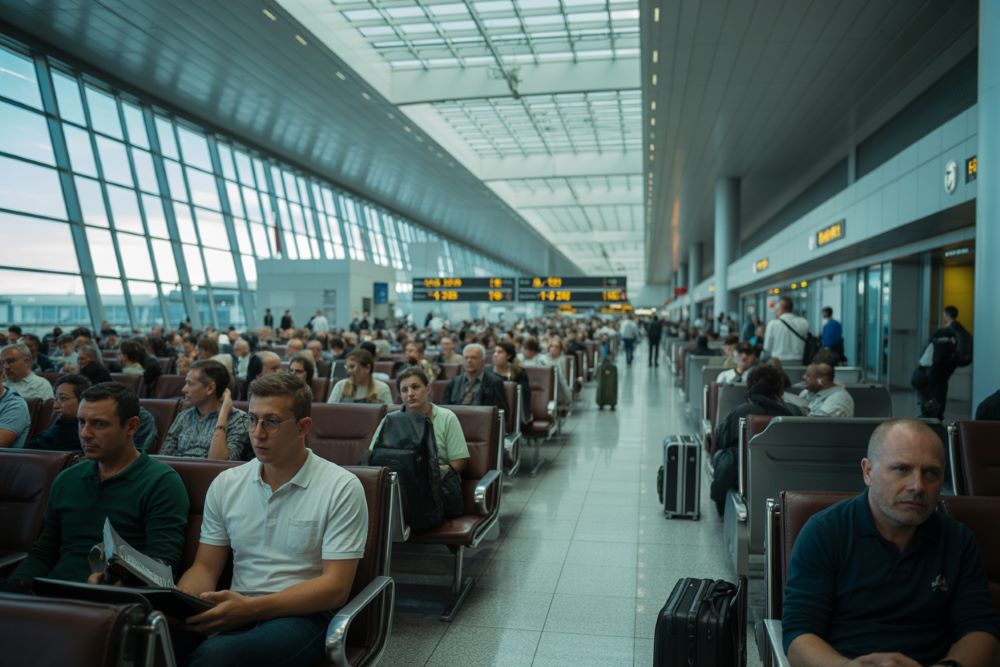
Europe’s skies have plunged into travel chaos as winter weather and operational breakdowns slam some of the continent’s busiest airlines and airports. A crushing wave of 656 delays and 47 cancellations across KLM, easyJet, and Air France has left thousands of passengers stranded in major hubs including Paris Charles de Gaulle (CDG), London Heathrow (LHR), Hamburg Airport (HAM), Geneva Airport (GVA), and Norwich Airport (NWI). With the holiday travel rush intensifying, the cascading impact on itineraries has sparked widespread frustration, unexpected costs, and long, exhausting hours inside airport terminals.
Airline Disruption Breakdown:
Across all affected carriers, the total disruption tally stands at 656 delays and 47 cancellations. These figures illustrate the scale of travel disruption across multiple countries and point to both systemic and weather‑related pressures at Europe’s air transport core. Below, we examine how each major airline has been impacted:
KLM’s Struggle: 20 Cancellations and 191 Delays
KLM, the Dutch flag carrier, has borne a significant brunt of the disruption:
- Cancellations: 20 flights called off completely.
- Delays: 191 flights operating late, with many delayed by several hours.
- Key Impact Zones: Major hubs including Amsterdam Schiphol — feeding into Paris, London, Hamburg and beyond — have seen significant backlog. Passengers connecting through northern Europe have faced prolonged waits.
easyJet Chaos: 14 Cancellations and 368 Delays
Low‑cost leader easyJet has taken the most visible operational hit:
- Cancellations: 14 flights were called off entirely.
- Delays: A massive 368 flights were delayed, dwarfing those of its peers.
- Network Strain: With an extensive short‑haul network across the UK, France, Netherlands, Spain, and Germany, easyJet’s delays have rippled across multiple markets and feeder airports.
Air France Impact: 13 Cancellations and 97 Delays
France’s national carrier, Air France, also reports operational stress:
- Cancellations: 13 flights grounded.
- Delays: 97 flights running late.
- Affected Areas: Paris Charles de Gaulle and other French airports have seen congestion as crews and ground staff struggle with increased traffic and shifting weather fronts.
Major Airports Under Pressure
The impact of these airline disruptions is most evident at key European hubs:
- Paris Charles de Gaulle (CDG) – One of Europe’s busiest gateways; flights spanning domestic and international routes have been delayed, with passengers reporting extended queuing and uncertain rebooking.
- London Heathrow (LHR) – The UK’s busiest airport has seen a cluster of delayed departures and missed connections, particularly affecting flights operated by KLM and easyJet partners.
- Hamburg Airport (HAM) – Northern Europe’s weather has hit Hamburg hard, leading to knock‑on delays on flights operating onward into central Europe.
- Geneva Airport (GVA) – Snow and wind have compounded congestion, affecting airlines including easyJet’s regional connections.
- Norwich Airport (NWI) – Though smaller in scale, scheduled flights have faced substantial wait times and rescheduling headaches.
What’s Causing the Disruption?
Understanding the root causes helps explain why passengers are bearing the brunt of this travel breakdown:
Severe Weather Across Europe
Harsh winter conditions — including heavy snowfall, wind gusts, rain and poor visibility — have disrupted flight operations from western to northern Europe. Weather delays often result in reduced runway capacity and slower turnaround times, which magnify delay effects across busy schedules.
Staffing Shortages & Operational Pressure
Airlines and airports are operating with tight staffing levels during peak season. Absences due to illness or rotation limits have intensified pressure on available crews, causing knock‑on delays for departure and turnaround routines.
Air Traffic and Scheduling Congestion
Europe’s skies are among the most congested globally. When conditions worsen, even a single delay can cascade throughout the entire network. With thousands of daily departures and arrivals, delays at one hub can trigger late departures across several airports.
Technical and Ground Equipment Bottlenecks
In several instances, delays and cancellations have been linked to maintenance and ground equipment availability issues. These technical constraints further strain recovery efforts when operations are already challenged.
Impact on Passengers and Travel Plans
Travelers caught in this disruption are experiencing:
Hours on Hold and Long Terminal Waits
With 656 flights delayed and 47 cancelled, many passengers have been stranded in terminals, waiting for flight boards to update and queues to shorten. Long lines at service desks and information counters are now commonplace.
Passengers arriving at airports like CDG or LHR have reported substantial standstill periods, uncertain rebooking timelines, and uncertain announcements.
Missed Connections and Changed Itineraries
Delays through key hubs disrupt connecting flights, forcing passengers to:
- Miss onward flights
- Rebook via alternative airports
- Adjust hotel or transport bookings
This domino effect has had a disproportionate impact on long‑haul travel and multi‑leg itineraries.
Extra Costs and Comfort Challenges
While some airlines are offering vouchers for meals or accommodation, not all passengers are covered. Many are paying out of pocket for:
- Hotels during overnight delays
- Ground transport between airports
- Meals and essentials during extended waits
Families traveling with children or older passengers have been among the most affected by comfort and cost pressures.
Top Travel Tips for Affected Passengers
For those navigating the disruption, here’s practical advice to stay ahead:
1. Monitor Flight Status Continuously
Airlines’ mobile apps and official websites provide the most up‑to‑date information on delays, cancellations, and gate changes. Check before you leave for the airport and while you’re in transit.
2. Know Your Passenger Rights
Under EU regulations, many passengers are entitled to compensation, meals, accommodation, or refunds depending on delay length and cancellation circumstance. Don’t hesitate to request compensation forms or claim details at service counters or online.
3. Prepare for Long Wait Times
Bring essentials such as:
- Snacks and water
- Portable chargers
- Entertainment (books, tablets, headphones)
During peak disruptions, airport lounges (if accessible) may offer a more comfortable wait.
4. Consider Alternate Routes
If delays threaten your schedule, explore alternative flights through neighboring airports or partner airlines. In some cases, a flight out of Rotterdam or Brussels may reach your destination sooner.
5. Keep All Documentation
Retain boarding passes, cancellation notices, and any receipts for expenses. These are crucial when filing compensation requests or insurance claims.
Final Thoughts: Travel Chaos With a Silver Lining
This widespread disruption — affecting KLM, easyJet, and Air France — has exposed vulnerabilities in Europe’s travel network during a peak travel period. Passengers are understandably frustrated, yet this moment also highlights the importance of preparedness and savvy travel management.
Airlines and airports are working under immense pressure to restore schedules and accommodate stranded passengers. For now, staying informed, flexible, and patient remains the best approach for those navigating the storm.
Source: Different airports and FlightAware
