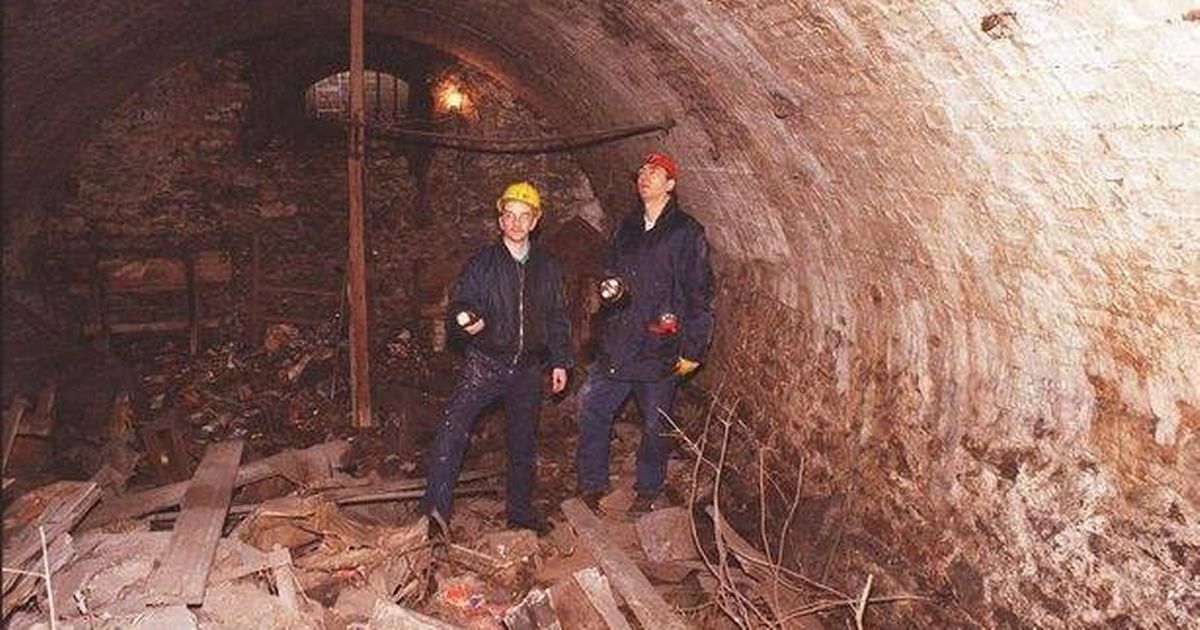
The abandoned alleyway is packed with cellars and hidden rooms, including the Packhorse pub, an old stable for Co-op delivery horses, and a coffin store for undertakers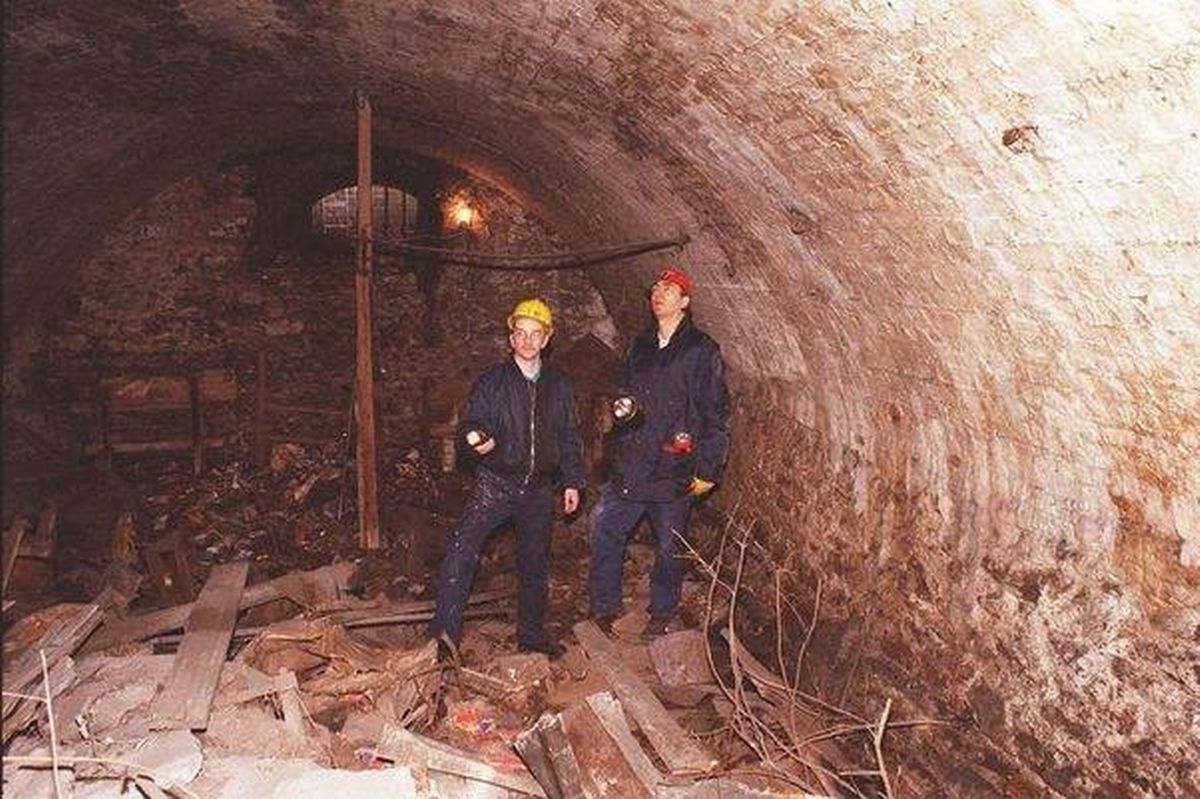 The street has been lost to time(Image: N Tailby)
A Victorian street, now abandoned and deemed ‘too dangerous’ to explore, lies hidden beneath a bustling city road, accessible only through tunnels.
The mysteries that lie beneath Bristol’s Lawrence Hill have sparked numerous local legends over the years. One such tale tells of a man who, after a trip to the pub, fell down a hole and found himself on a street ‘frozen in time’.
Some say remnants of old shop fronts and 19th-century gas lamps still exist below the surface. Intrigued by these stories, a brave historian decided to delve into the depths with a camera and torch to uncover the truth.
Dave Stephenson emerged from his subterranean adventure with stunning photographic evidence of a forgotten past. He has since dedicated countless hours to investigating how this road came to be buried.
The alleyway is crammed with secret cellars and hidden rooms, including a disco under the Packhorse pub, a coffin store for undertakers, an old stable for Co-op delivery horses, and even a site used as an unofficial air raid shelter during the Second World War, reports the Mirror.
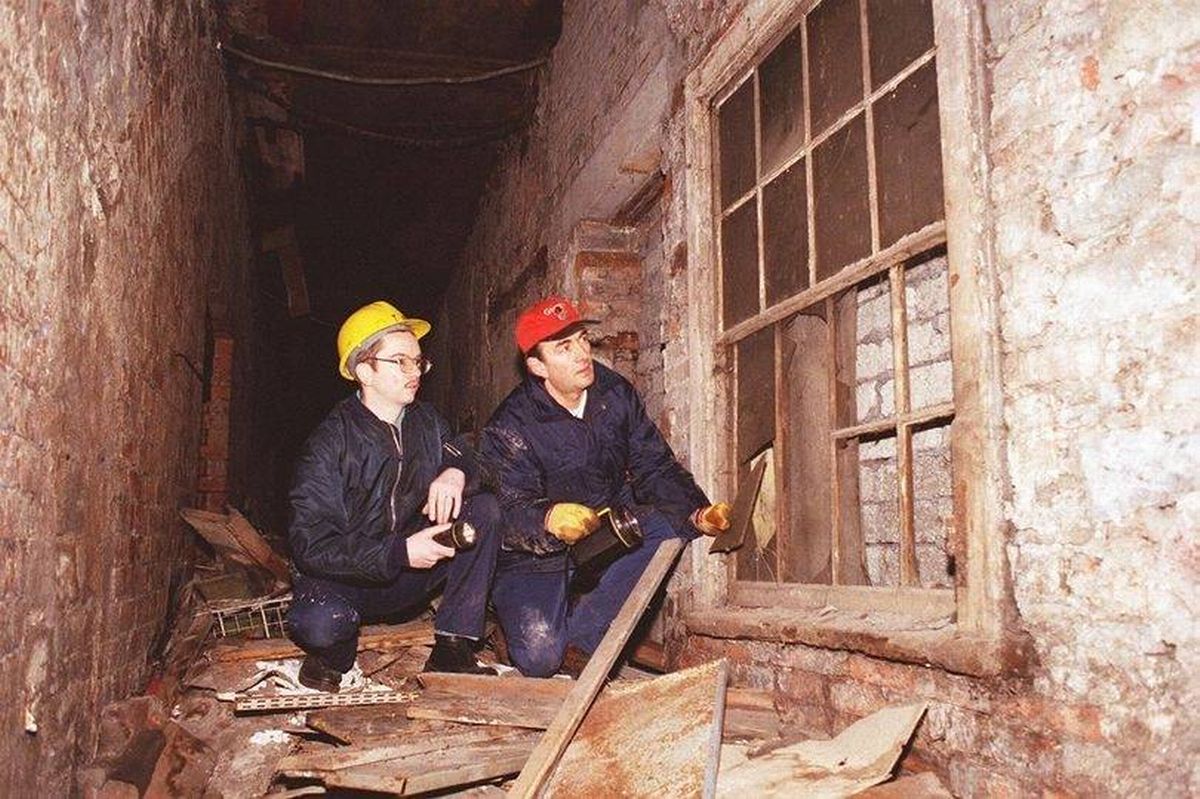 The tunnels under Lawrence Hill have been deemed too dangerous to visit(Image: N Tailby)
Another tunnel, reportedly located directly beneath a bank, was sealed off after an attempted break-in from underground.
According to Dave, significant portions of the thoroughfare date back over two centuries, to when the renowned Herapath family operated the brewery linked to the Packhorse Inn – an expansive building extending down to Duck Road and reaching back to Lincoln Street.
In 1832, a horse-drawn railway passed through Lawrence Hill beside the pub, with a wooden bridge spanning overhead.
However, when steam railway construction began later that century, the Inn and its neighbouring shops found themselves buried beneath ground level as new arches were erected above them.
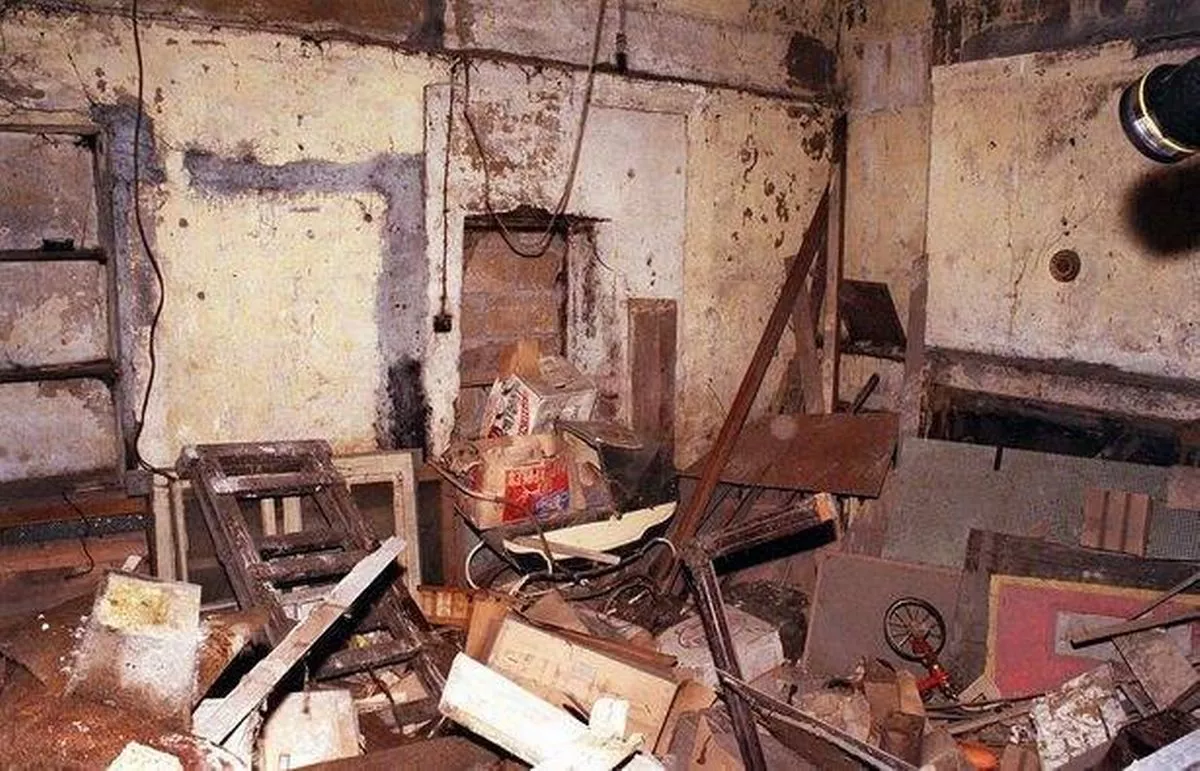 The shops are frozen in time(Image: N Tailby)
Dave explained: “When the Bristol and Gloucester Railway arrived on the scene William Herapath sold most of his estate to them for £3,000. By 1879 this wooden bridge needed replacing, so the authorities decided they would heighten the road.
In the process the Packhorse Inn – and the neighbouring shops – disappeared as the new road was supported on a series of arched tunnels. Amazingly, the present Packhorse is built on top of the old one and still retains the very steep stairs down to the original.”
Over two decades later, the historian recalled removing a grille and descending a ladder down the shaft to reach the historic thoroughfare below. Beneath ground, he uncovered evidence of four tunnels, though only one remained accessible, extending right across the street.
The others, along with most of the Victorian-era shops, had been sealed with brickwork to prevent potential burglars from targeting residents above.
In a neglected subterranean shop layered with dirt, Dave discovered an old Victorian sash window frame still intact, albeit most of its glass panes had long since disappeared.
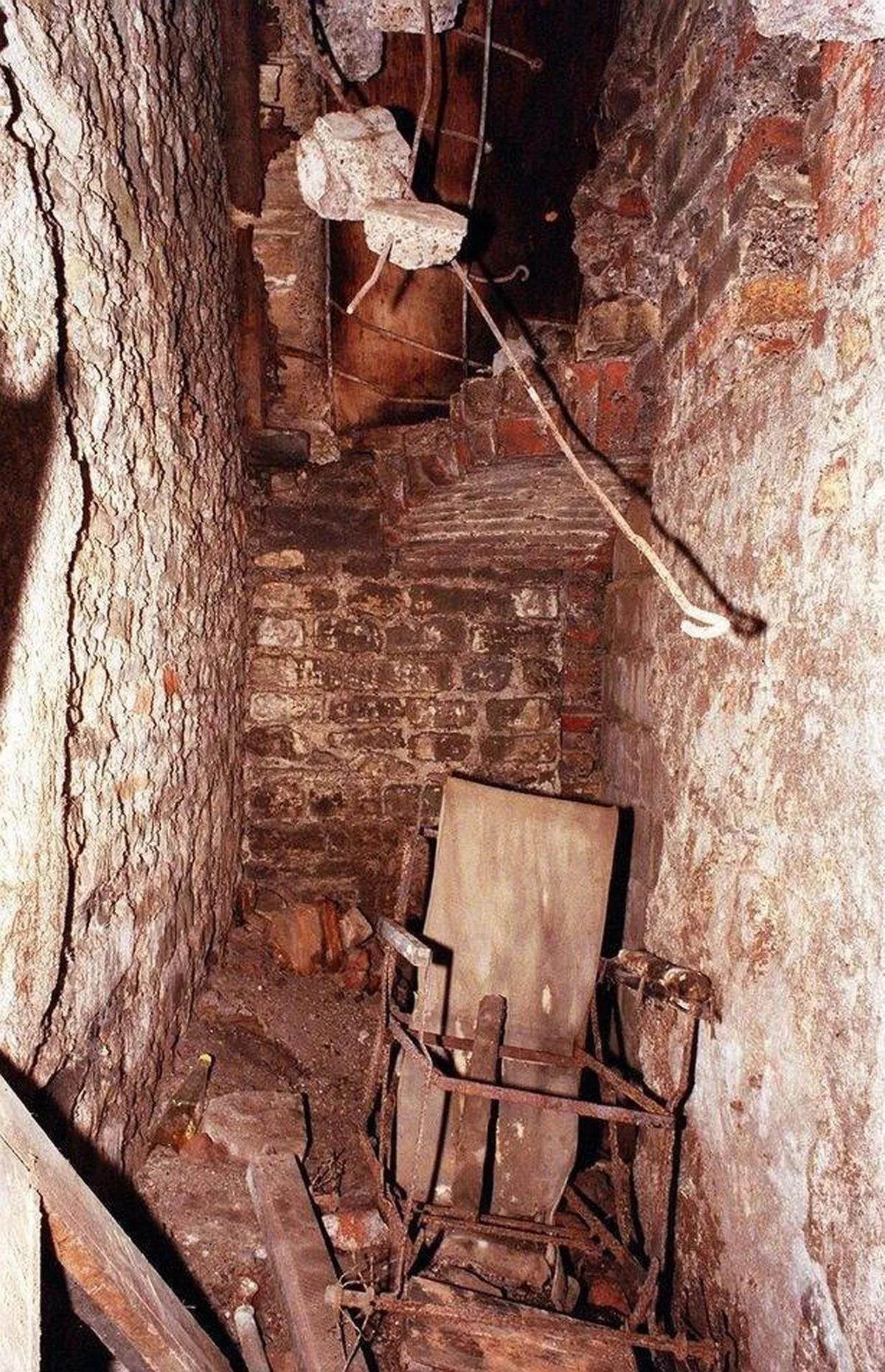 The cobbles are still in place(Image: N Tailby)
The rest of the area was littered with builders’ debris and a variety of peculiar items, ranging from a horse trough to a discarded wheelchair.
By the time of Dave’s exploration, the legendary street lamps had disappeared – a scrap dealer later told him they’d been removed in the 1950s – yet the elegant cobblestones from the past remain, making the site a remarkably preserved tribute to Bristol’s Victorian golden age.
These days, the tunnels are strictly off-limits to inquisitive adventurers, having been deemed excessively dangerous. However, some time ago, the passionate historian managed to participate in an organised expedition to the original chambers beneath the Packhorse Inn, accompanied by a group of seasoned cavers.
Reflecting on his findings, he said: “The cobwebs there were as thick as a baby’s arm and the fire grate remained, covered in years of dust. A giant RSJ beam engraved with the letters GWR (Great Western Railway) had been put in to strengthen the building.”
He added: “The road above was built for horses, carts and carriages. Even with all today’s traffic, which includes hundreds of buses and very heavy lorries, it still stands, but few people suspect what lies beneath.”