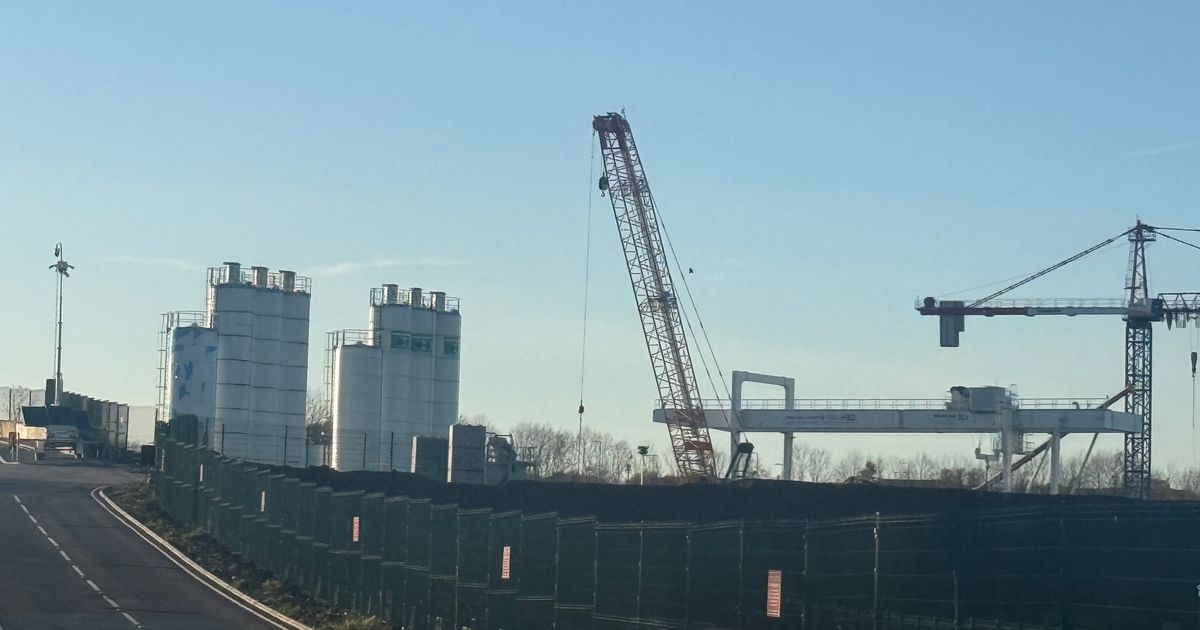
Grandmother said HS2 has ‘decimated us’ with frequent complaints of smell, dust and traffic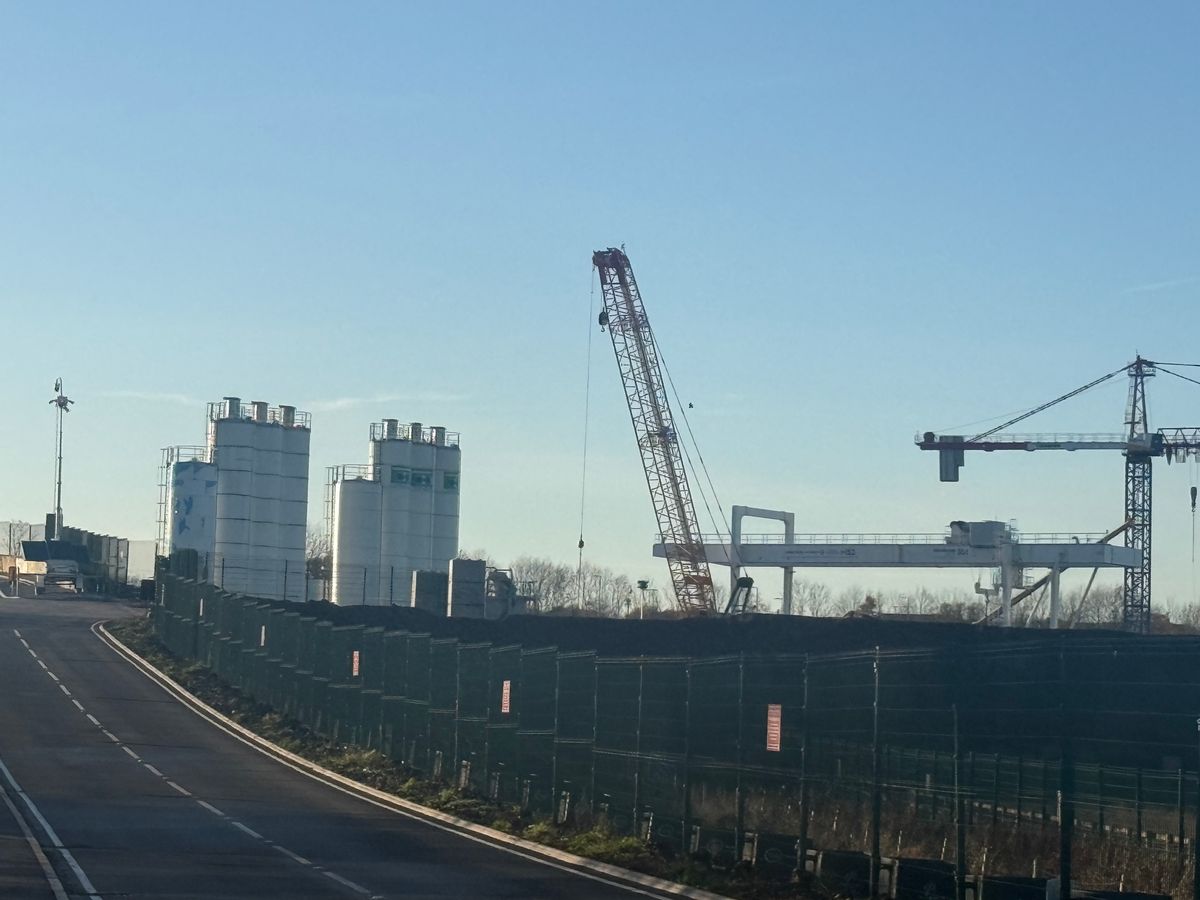 HS2 has ‘made village life worse’ according to Water Orton residents (Image: BirminghamLive)
Residents in a “sought-after” Midland village have been offered hope that the riddle of a “fishy smell” plaguing the area may have been solved.
For years, Water Orton, just over the Birmingham border in north Warwickshire, has been the site of major construction work for the controversial HS2 rail scheme.
Trains on the line will not stop in the village – but residents have put up with long-term disruption to the extent that its primary school – already moved because of the project – plans to reduce capacity because so many families have moved away.
READ MORE: Hollywood star ‘offered a fortune’ to star in Birmingham pantomime
North Warwickshire and Bedworth Labour MP Rachel Taylor said she continued to receive a ‘high volume’ of cases from constituents ‘affected by dust, foul odours, traffic issues and poor service’.
 A general view of Water Orton on Birmingham Road(Image: BirminghamLive)
In November, she raised the issue in Parliament and said the smell was just one of the issues residents were contending with.
When BirminghamLive visited the village on December 3, grandmother Gill Smith confirmed Water Orton was suffering from a ‘fishy’ smell.
HS2 said the stench was “linked to the use of lime to stabilise material excavated from the Bromford tunnels and is not hazardous”.
Ms Smith said: “The smell’s horrible, it’s like fish and some days you can’t even put the washing out. You can’t even open your windows, the smell is that bad and it’s been going on for months.
“HS2 has had a big impact on people and I think it’s impacted people’s mental health in the village. It’s got worse as the years have gone on and I think there’s more to come. The smell has to be sorted out.”
Helen Carlill called the frequent smell around the village ‘absolutely horrible’ and said she had to clean her car weekly because of dust.
She said: “It’s been awful. The road closures, the dust, the smell. I must admit the HS2 workers have been quite friendly. But it’s had an impact. My children have had to move schools and that’s been a big change.
“The impact seems to be getting bigger and bigger. HS2 has definitely made the village worse. You’re constantly having to clean dust on your windows and car. I’m cleaning my car every week at the moment because of it.
“But the fish smell is absolutely horrible. You don’t know how safe it is so you worry about your children.”
Ann Anderson moved from Hodge Hill 15 years ago and said she had noticed a decline in village life since HS2 work began.
She said: “We’re a very popular village and property is sought-after, but HS2 has decimated us. The traffic caused by road closures has been awful and caused major delays. You only need to walk around to see the problem.
“You used to be able to walk around Attleboro Lane and it was all fields. It’s absolutely awful now.”
A spokesperson for HS2 Ltd said: “We are working hard to reduce disruption for people living in Water Orton and ensure they are kept fully up-to-date on all aspects of the project.
“This is why our chief executive, Mark Wild, was in the village meeting residents and Rachel Taylor MP to hear their concerns directly.
“We also have agreements in place to fund road repairs and a series of access routes have been specially built to carry construction traffic directly off nearby motorways onto our work sites – avoiding local roads.
“Furthermore, noise and dust monitoring is in place and for those living closest to our sites we also provide free car and window washing.
“We have thoroughly investigated reports of an odour in Water Orton which is linked to the use of lime to stabilise material excavated from the Bromford tunnels and is not hazardous.
“Lime stabilisation is a common technique in the construction industry and allows us to reuse the material elsewhere on the project, reducing cost and avoiding extra lorries on local roads.
“Excavation of the Bromford tunnels was completed last month and we’re now taking steps that will help to reduce or eliminate the smell from the material stockpiles.”