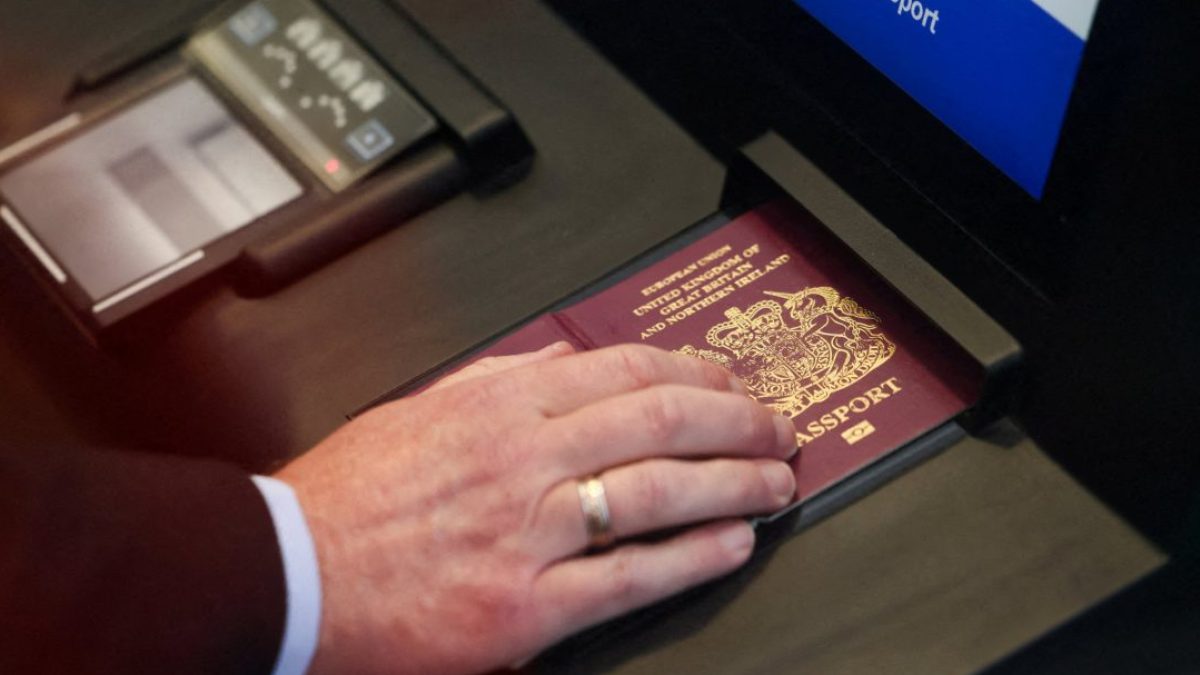
Olivier Jankovec, director general of ACI Europe, said ‘significant discomfort’ had been inflicted on travellers since the launch of biometric registration in October
Passengers are already facing hours of delays due to problems with the rollout of new EU biometrics checks, an airport body has warned.
Olivier Jankovec, director general of ACI Europe, said “significant discomfort” had been “inflicted” on travellers since October’s launch of the Entry/Exit system (EES) and warned of “chaos” from next week when checks are ramped up.
From 9 January, the number of non-EU nationals required to have their fingerprints and photos taken to travel to Europe climbs from 10 per cent to 35 per cent.
New FeatureIn ShortQuick Stories. Same trusted journalism.
By April, 100 per cent of arrivals will be required to submit their biometrics for travel to the Schengen area.
Lisbon is among the airports where passengers have experienced delays in the run-up to Christmas, with reports of three-hour delays after glitches with technology.
Over Christmas, 80 police officers were drafted in to help with lengthy delays at the Portuguese capital’s airport.
In October, British holidaymakers told The i Paper they queued in Geneva for more than two hours after landing in Europe due to the new post-Brexit checks.
Jankovec, the head of Europe’s airport body, said unless operational issues are addressed, next week’s increase to 35 per cent will “inevitably result in much more severe congestion and systemic disruption”.
He said: “This will possibly involve serious safety hazards. We fully understand and support the importance of the EES and remain fully committed to its implementation.
“But the EES cannot be about mayhem for travelers and chaos at our airports.”
He demanded “swift action” from the European Commission and Schengen countries in January to allow additional flexibility in the rollout of EES if concerns were not addressed.
Airline travellers are registered on arrival in Europe while at Dover, Eurotunnel and Eurostar the checks are done on British soil.
ACI Europe said border control processing times at airports had increased by up to 70 per cent, with waiting times of up to three hours at peak traffic periods.
France, Germany, Greece, Iceland, Italy, Portugal and Spain had been particularly affected, the association of European airports said.
Issues it highlighted included regular EES breakdowns undermining the predictability, regularity and resilience of border operations.
There had also been persistent configuration problems, including the partial deployment or unavailability of self‑service kiosks for registration and biometric data capture, ACI Europe said.
The continued unavailability of automated border control gates for EES processing at many airports, insufficient deployment of border guards at airports, and the lack of a pre-registration app were also highlighted.
Your next read
The International Air Transport Association (Iata), a trade body representing around 500 airlines, said members had not reported major problems in the run-up to Christmas.
A spokesperson told The i Paper: “EES seems seems to have been going OK. It’s still ramping up.
“Those requirements will start to increase, and therefore we’re keeping a close eye on it, because there may be problems.”