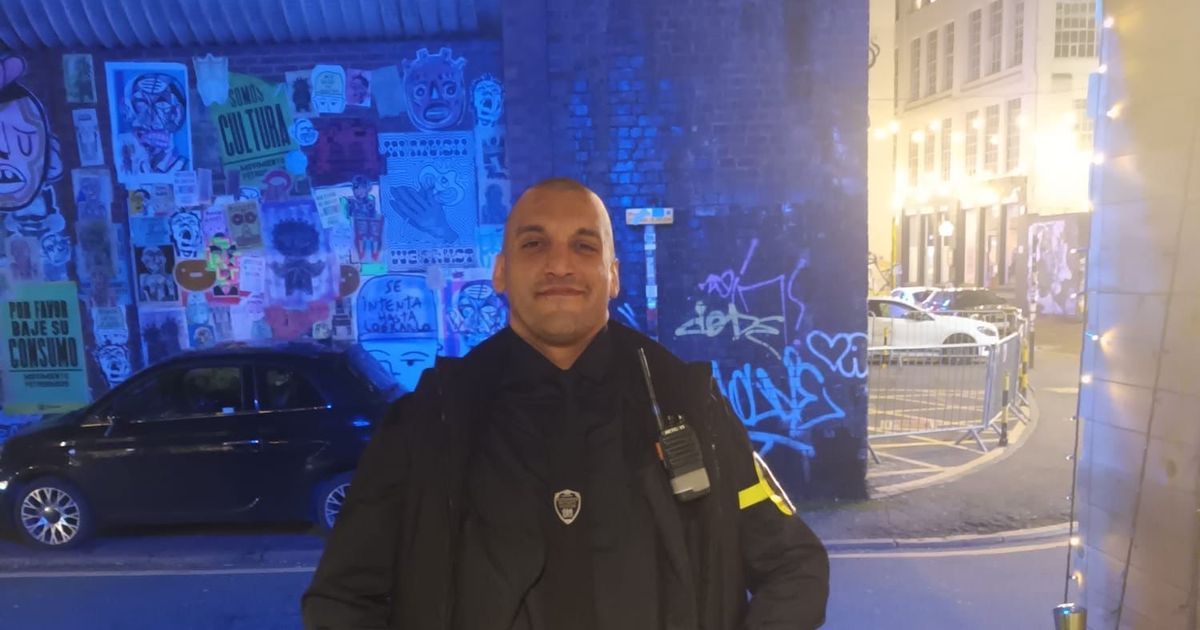
David Monteiro was only 39 when he tragically died from meningitis in the week before Christmas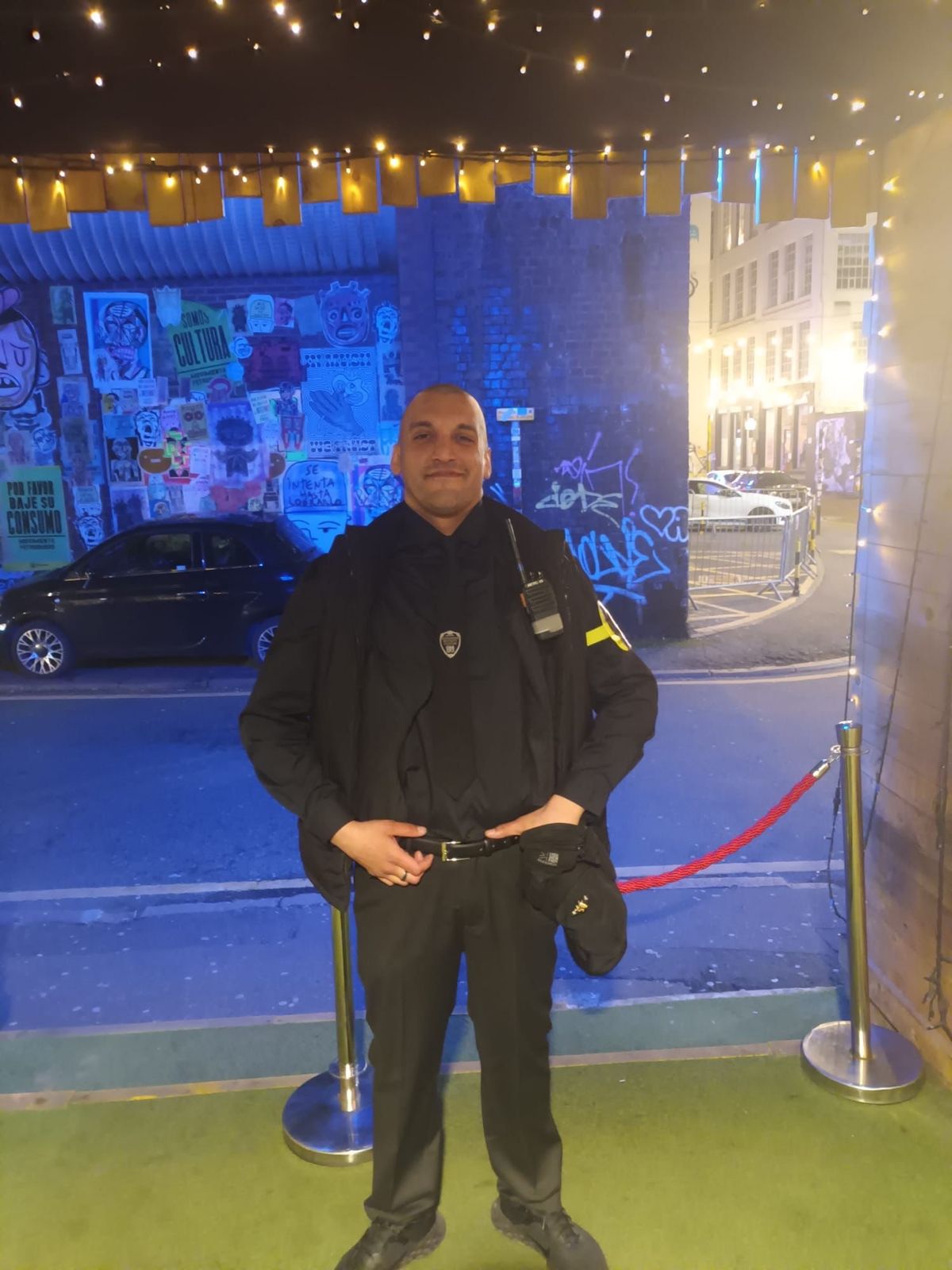 David, who worked as a security guard in Digbeth, was known as a ‘loving and generous soul'(Image: GoFundMe)
A ‘loving and generous’ brother tragically died after believing his meningitis symptoms were simply from ‘sleeping awkwardly’, his family say.
David Monteiro, who worked as a security guard in Digbeth, was only 39 when died just a week before Christmas.
Described as a ‘social butterfly’, the doorman had been planning to celebrate his 40th birthday on New Year’s Day with a big party.
Read more: West Midlands Police potential £40m budget cuts at a glance
Now, his grieving family are trying to fundraise for his funeral, as well as raise life-saving awareness of the devastating illness from which he died.
The GoFundMe page – which has a target of £5,500 – had raised £3,000 so far on December 22. Speaking on his death, his youngest sister Rachel Monteiro said: “Could you recognise the signs of meningitis?
“My brother, David, couldn’t. We lost him to this devastating illness last week, and now we are trying to raise awareness and funds in his memory.
“He believed he simply had a bad back and a stiff neck from sleeping awkwardly. None of us understood the severity of what was happening to him — not even David himself.”
 David worked as a security guard in Digbeth
His family say he “very suddenly” developed a swelling on the brain and suffered a seizure. This led to him being placed into a coma at Heartlands Hospital.
“Within just a few days, this cruel illness took his life,” Rachel added.
“We share David’s story with love, hoping it might help even one person recognise the signs sooner and save a life.”
In their GoFundMe efforts, the shocked family paid tribute to a “loving, kind and generous soul who touched everyone he met.”
She said: “He would of went out of his way to help when he could…David was a people person and a social butterfly.
“His smile, warmth, and humour made the world a brighter place, and the loss of his presence is deeply felt by all who knew him.
NHS – advice on meningitis
Meningitis is an infection of the protective membranes that surround the brain and spinal cord (meninges).
It can affect anyone, but is most common in babies, young children, teenagers and young adults.
Meningitis can be very serious if not treated quickly.
It can cause life-threatening blood poisoning (septicaemia) and result in permanent damage to the brain or nerves.
A number of vaccinations are available that offer some protection against meningitis.
Symptoms of meningitis
Symptoms of meningitis develop suddenly and can include:
- a high temperature (fever) of 38C (100.4F) or above
- being sick
- a headache
- a rash that does not fade when a glass is rolled over it (but this will not always develop)
- a stiff neck
- a dislike of bright lights
- drowsiness or unresponsiveness
- fits (seizures)
These symptoms can appear in any order. You do not always get all the symptoms.
How meningitis is spread
Meningitis is usually caused by a bacterial or viral infection.
Bacterial meningitis is rarer but more serious than viral meningitis.
Infections that cause meningitis can be spread through:
- sneezing
- coughing
- kissing
- sharing utensils, cutlery and toothbrushes
Meningitis is usually caught from people who carry these viruses or bacteria in their nose or throat but are not ill themselves.
It can also be caught from someone with meningitis, but this is less common.
Vaccinations against meningitis
Vaccinations offer some protection against certain causes of meningitis.
These include the:
- meningitis B vaccine – offered to babies aged 8 weeks, followed by a second dose at 16 weeks and a booster at 1 year
- 6-in-1 vaccine – offered to babies at 8, 12 and 16 weeks of age
- pneumococcal vaccine – offered to babies at 8 weeks, 16 weeks and 1 year old
- Hib/MenC vaccine – offered to babies at 1 year of age
- MMR vaccine – offered to babies at 1 year and a second dose at 3 years and 4 months
- meningitis ACWY vaccine – offered to teenagers, sixth formers and “fresher” students going to university for the first time
Outlook for meningitis
Viral meningitis will usually get better on its own and rarely causes any long-term problems.
Most people with bacterial meningitis who are treated quickly will also make a full recovery, although some are left with serious long-term problems.
These can include:
- hearing loss or vision loss, which may be partial or total
- problems with memory and concentration
- recurrent seizures (epilepsy)
- co-ordination, movement and balance problems
- loss of limbs – amputation of affected limbs is sometimes necessary
Overall, it’s estimated up to 1 in every 10 cases of bacterial meningitis is fatal.
“As we navigate this painful time, we are also facing the financial burden of funeral and memorial expenses. Because his passing came without warning, we were unprepared for the costs associated with giving David the farewell he deserved.
“We are asking for help no matter how big or small to cover funeral arrangements for burial.”
Any excess funds raised will be donated to the intensive care unit at Heartlands Hospital and a meningitis charity. Rachel said: “Thank you for helping us lay David to rest with love, dignity, and peace. Please keep our family in your thoughts and prayers.” You can donate here.
Have you been affected by meningitis? We would like to hear from you. You can contact us by emailing stephanie.balloo@reachplc.com