(Credits: Far Out / Tony Barnard / Los Angeles Times / UCLA Library)
Tue 30 December 2025 17:45, UK
I once interviewed a band who defiantly told me, “It’s hard not to sound like The Beatles, because they invented everything!”
It was a fair remark to make when I asked about the Beatles-inspired piano reprise in one of their songs. It was nothing more than a progression of piano chords, designed to sound like a fairground melody with harmonies on top, and all I could think about was the Fab Four.
In the 1960s, they really did lay the groundwork for so much of what we consider to be modern pop. Sure, they weren’t sitting on the floor of Abbey Road studios carving the outlines of a treble clef and explaining to George Martin what a chord was, but the concept of popular music becoming more lucid and abstract from its predecessor, blues rock, was largely pioneered by the band.
It resulted in a collective sigh of relief when they disbanded in 1969. The music industry has suddenly been opened right up, and a whole host of new exciting bands could emerge from their slipstream, buoyed by the promise that anything was possible. A primary example would be Badfinger, a band signed to their label and who utilised various members of the group as producers. Meanwhile, outfits like ELO profited from their experimentation, whereas the final incarnation of Fleetwood Mac found promise in the dream pop orbit of The Beatles’ sound.
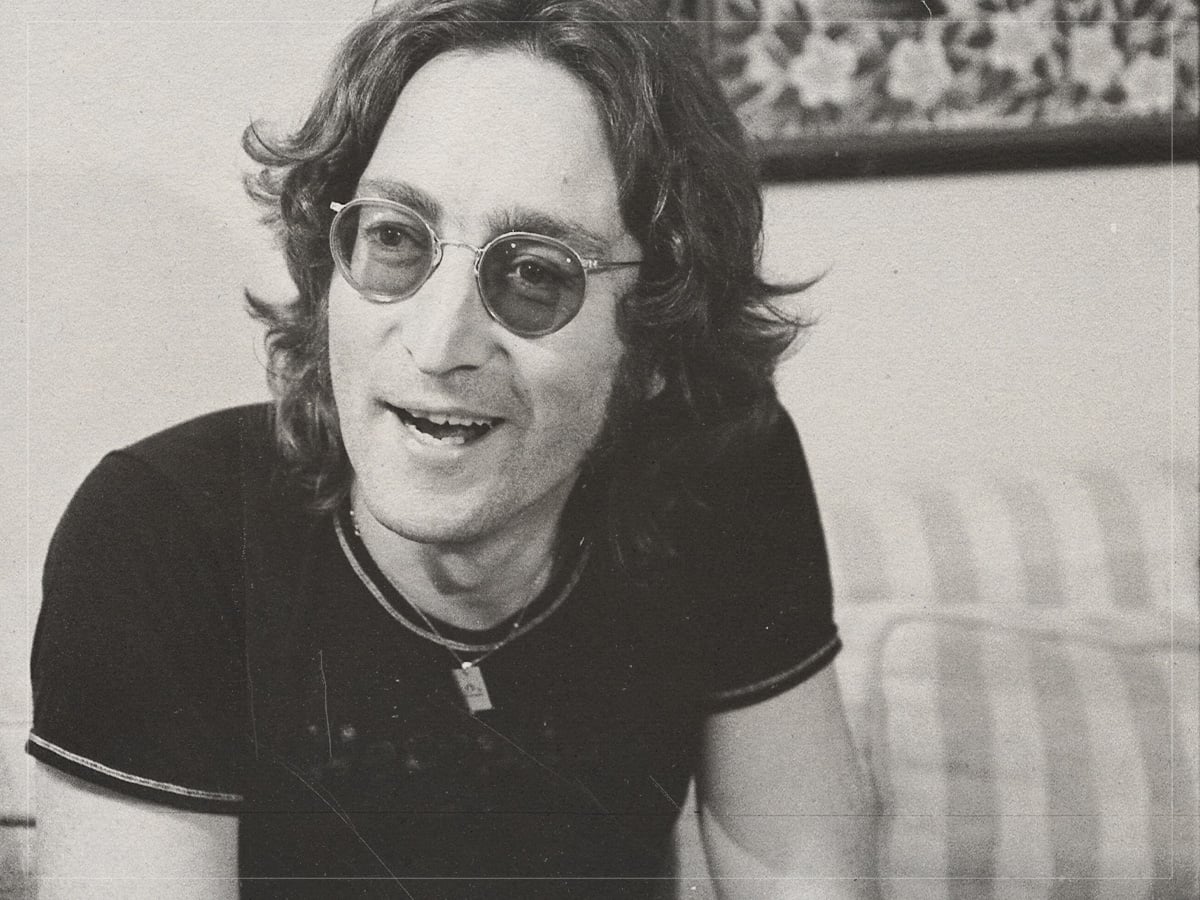
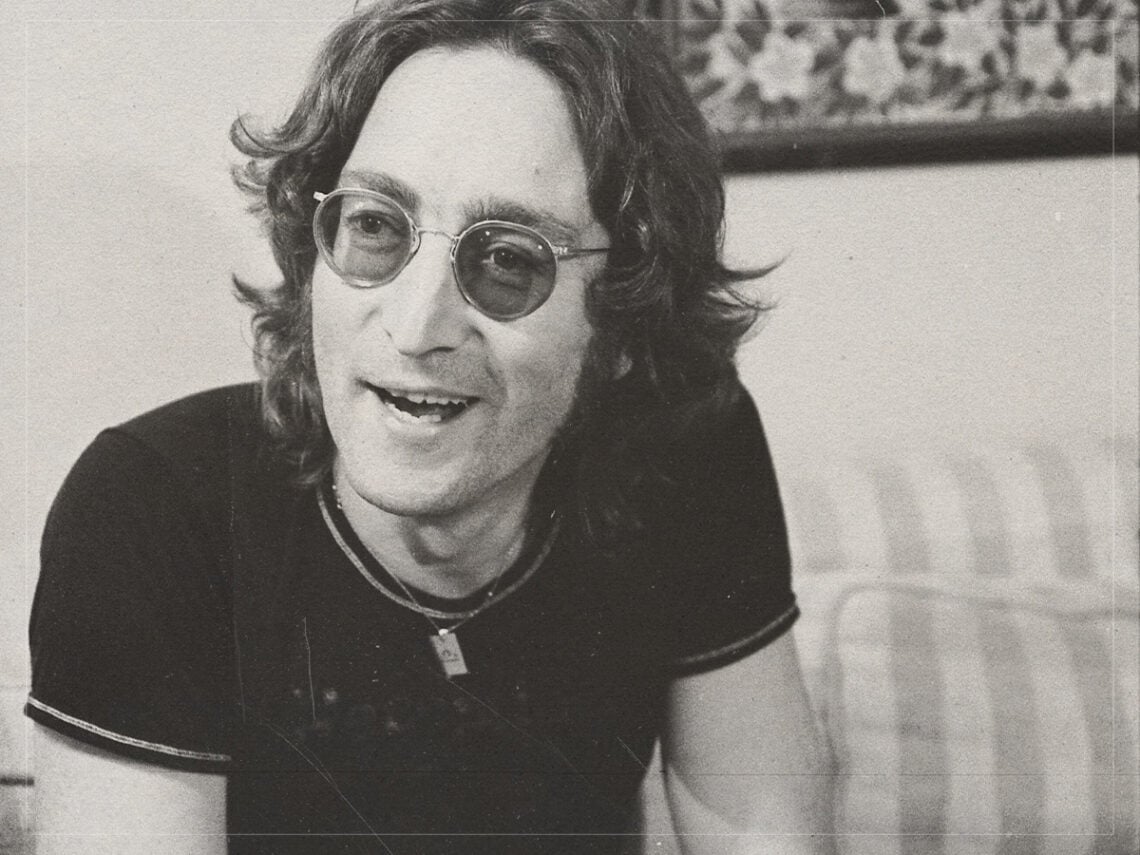
But to John Lennon, the key difference amongst those bands was what he considered a more obvious point of difference. While he accepted that even he made music that built upon a formula set out by his predecessors, there was one band that, to him, sounded somewhat like a Beatles carbon copy.
“All music is rehash,” said Lennon. “There are only a few notes. Just variations on a theme. Try to tell the kids in the ’70s who were screaming to The Bee Gees that their music is just The Beatles redone. There is nothing wrong with the Bee Gees. They do a damn good job.”
Truthfully, the Bee Gees were caught in the crosshairs of a wider point being made by Lennon. Broadly, he was commenting on the idea that nothing is really original in this world, and so the sort of technical criticism he and his fellow musicians receive is redundant, because everything is pastiche.
But the Bee Gees themselves were willing to accept his observation, for they knew that The Beatles were at the cornerstone of the sort of influence they profited from. They explained, “The Beatles made all groups like us. They changed the whole culture, so you have to really admire what they did, because what they did, no one had ever done before. So it took a lot of guts to change the music situation and the entire culture.”
Ironically, when Lennon entered the diverse decade of the 1970s as a solo artist, he explored the musical tropes of new pioneering artists from the era. In fact, on ‘Kiss Kiss Kiss’ from Double Fantasy, he dips his toe into the waters of disco, a genre championed by the Bee Gees no less.
Related Topics
The Far Out Beatles Newsletter
All the latest stories about The Beatles from the independent voice of culture.
Straight to your inbox.