Home » TRAVEL ALERT » Snow and Ice Warning for Scotland: Disruption Expected In Central, Grampian, Highlands, Orkney And More!
Published on
December 31, 2025

The weather service in Scotland has given a yellow alert for snow and ice which is going to impact numerous important areas all over the country. They predict the heavy snow and ice conditions to start at 06:00 GMT on Thursday 1st January and remain until 23:59 GMT on Friday 2nd January when the central, northern and coastal parts of the country will be particularly affected. Therefore, the travel disruptions, as well as the danger to residents and tourists, will be of considerable magnitude.

The regions affected include Central, Tayside & Fife, Grampian, Highlands & Eilean Siar, Orkney & Shetland, and Strathclyde. These areas will see frequent and heavy snow showers, with the possibility of hazardous icy conditions on roads and public transport systems. The snow and ice are expected to cause some serious challenges for travel, so it is crucial for both locals and tourists to be aware of the warnings and take appropriate precautions.
Potential Travel Disruptions
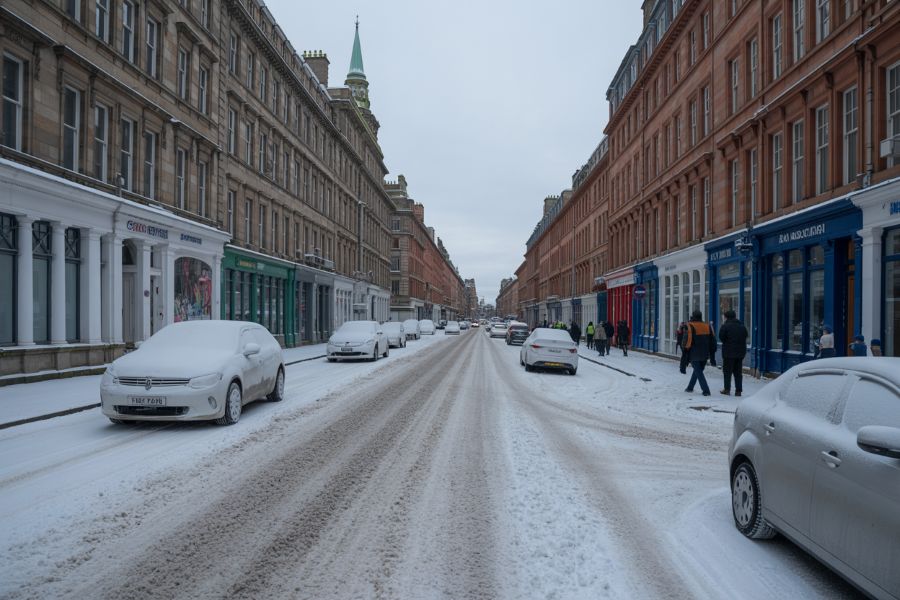
The snowfall, combined with icy surfaces, is expected to cause widespread disruption across Scotland. Authorities are warning of possible delays and cancellations to both rail and air travel, with severe weather likely to affect train schedules and flights to and from affected regions. Passengers are urged to check for updated travel information before embarking on their journeys, as services could be delayed or cancelled due to adverse weather conditions.
Motorists are also warned of potential travel delays. Roads may become treacherous, with snow and ice creating hazardous driving conditions. Some vehicles and passengers could be stranded as snow accumulates quickly on the roads, especially in rural areas. The public is advised to limit travel if possible and to stay up-to-date with real-time information from road safety services.
Tourist Destinations Likely to Be Affected
Several popular tourist destinations are likely to be impacted by the adverse weather conditions. These include:
- Edinburgh: Scotland’s capital could face travel disruptions due to the snow and ice, affecting both local transportation and tourist activity in the city centre.
- Inverness: As the gateway to the Highlands, Inverness could see significant delays due to weather-related road closures and cancellations.
- Loch Ness: Tourists visiting the famous Loch Ness could face difficulties accessing key sites due to snow and icy roads, which may become impassable.
- Stirling Castle: A top destination for history lovers, Stirling may experience disruptions to visitor services as the snow makes travel to the site challenging.
- The Isle of Skye: This stunning island could become cut off due to the snowstorm, making it difficult for tourists to access key attractions like the Fairy Pools and the Old Man of Storr.
Key Safety Protocols for Tourists
Tourists planning to visit Scotland in the coming days are urged to take several safety measures to protect themselves from the risks posed by snow and ice. The following protocols should be kept in mind:
- Check Weather and Travel Updates: Before travelling, it is essential to check the latest weather updates and travel advisories from reliable sources such as the Met Office and the Scottish Government.
- Prepare for Delays: Due to the possibility of cancellations and delays in public transport and road services, tourists should leave extra time for their journeys and prepare for the possibility of long delays.
- Appropriate Footwear: With the likelihood of icy pavements, tourists are strongly advised to wear sturdy footwear with good grip to prevent slips and falls.
- Emergency Supplies: If you are travelling by car, ensure you have emergency supplies such as food, water, and blankets in case of road closures or being stranded due to snow.
- Avoid Rural Roads: While Scotland’s rural beauty attracts tourists, during adverse weather conditions, many rural areas may become cut off. It is recommended to avoid travelling through isolated locations unless absolutely necessary.
- Stay Indoors During Severe Conditions: When the snow and ice become particularly severe, it’s best to stay indoors to avoid unnecessary exposure to the elements.
Risks and Hazards to Watch Out For
As a result of the freezing temperatures and snow accumulation, there are increased risks to both travellers and residents. Authorities are warning of the following potential hazards:
- Slips and Falls: Icy surfaces will make walking hazardous, leading to an increased risk of injury. Visitors should be cautious when walking on pavements, cycle paths, and other untreated surfaces.
- Power Cuts: Snowstorms and ice accumulation on power lines could cause power outages in some areas. Tourists should keep mobile phones charged and be aware of potential service disruptions.
- Impassable Roads: Some of Scotland’s less-travelled routes, especially in rural areas, could become impassable due to snow. In cases of heavy snow, road closures may be enforced to keep travellers safe.
- Possible Cuts to Services: Mobile phone service and other essential services may be affected in some areas due to snow and ice. Tourists should stay updated on any service interruptions and have contingency plans.
Local Authorities Provide Key Advice
Local authorities across the affected regions are urging residents and tourists to stay informed about the ongoing weather developments and take necessary precautions. They recommend avoiding unnecessary travel during the worst of the snowstorms and to keep emergency numbers on hand.
What Next?
The yellow warning for snow and ice in Scotland is expected to lead to significant disruptions across several key regions. As the snow and ice affect roads, railways, and airports, tourists and locals should remain vigilant and prepared for potential travel delays and safety risks. Those planning to visit popular attractions such as Edinburgh, Inverness, Loch Ness, and Stirling Castle should monitor weather reports, plan their trips carefully, and prioritise their safety.
Under these uncertain conditions, the protection of all travelers must be the first concern. Following the suggested measures and being up to date with the latest meteorological and travel news, tourists are able to cut down on their risks and at the same time make it a safer and more enjoyable trip in Scotland.