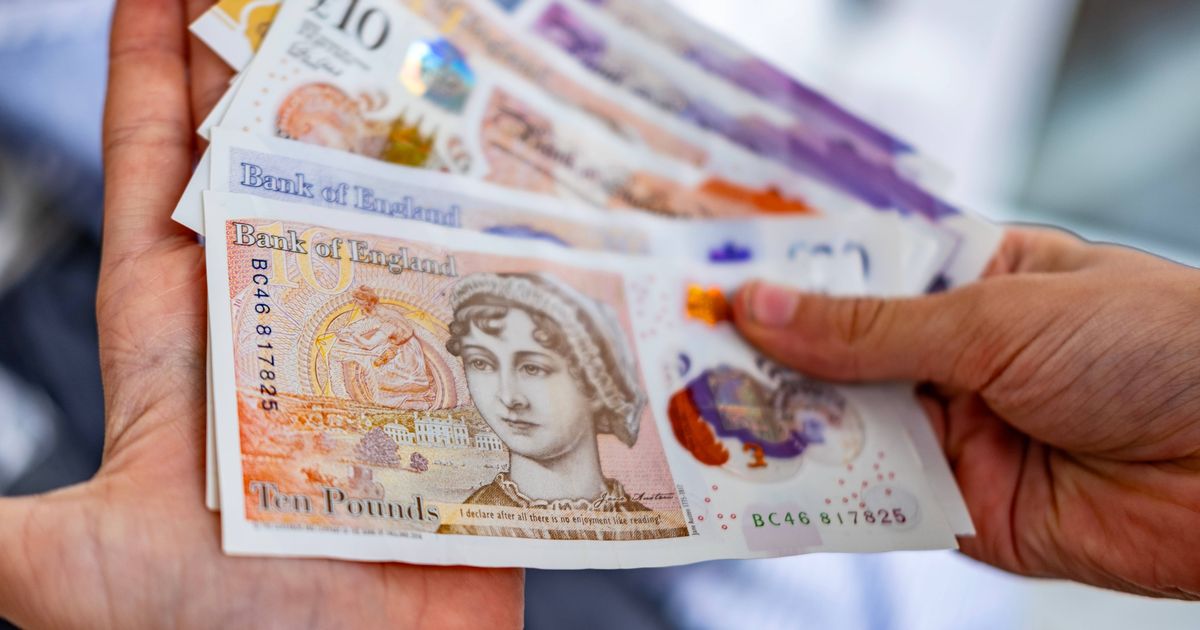
State pensioners expecting their January payment will receive their £921 monthly payment early State pensioners expecting their January payment will receive their £921 monthly payment early(Image: Victor Golmer via Getty Images)
DWP state pensioners born after 1951 or 1953 will receive £921 before the end of the week. State pension payments are scheduled to be dispatched as usual on Monday, December 29, and Tuesday, December 30.
However, if your payment is due on Thursday, January 1, then the payment date has been advanced to Wednesday, 31 December. Similarly, if you’re due to be paid on Friday, 2 January in Scotland, you will also receive payments on Wednesday instead.
State pensioners born after 1951 for men, and 1953 for women, earn £921 a month courtesy of the DWP Full and New State Pension rate.
The amount you’ll receive from the State Pension increased in April 2025. This is due to the government maintaining the triple lock – which was reinstated in 2023 after a period of suspension.
The State Pension rose by 4.1%, in accordance with average earnings growth between May-July 2024. The increase was confirmed in last year’s Autumn Budget and affects those eligible for the new flat-rate State Pension, introduced in April 2016, or the older basic State Pension, reports Birmingham Live.
This increase means that those qualifying for a full new State Pension now receive £230.25 a week (up from £221.20). And those who reached State Pension age before April 2016, who are on the older basic State Pension, now receive £176.45 – up from £169.50.
In a cautionary note for pensioners, Standard Life stated: “Even with the rise in April, a full new State Pension is £11,973 a year. Bear in mind that the Retirement Living Standards suggest a single person would need £14,400 a year to cover just a ‘minimum’ retirement lifestyle.
“The reality is there’s a significant gap between what you get from the State Pension and what you may actually need or want in retirement.
“The State Pension alone will only cover a very basic lifestyle and, because it only starts in your late 60s, won’t help to support you if you want to retire earlier. So it should only be a part of your overall retirement plan. Also bear in mind that it can be subject to tax.
“It’s important to fully understand how much you might need to be able to afford the retirement you want.”
Get all the latest and breaking news in Yorkshire by signing up to our newsletter here.