Home
»
Austria Travel News
»
Sweden Joins Switzerland, Germany, Belgium, Austria, Ireland, And Other Nations In Facing Unprecedented Declines In 2025 European Tourism With Sharp Drops In Overnight Stays And Revenue Growth
Published on
December 31, 2025
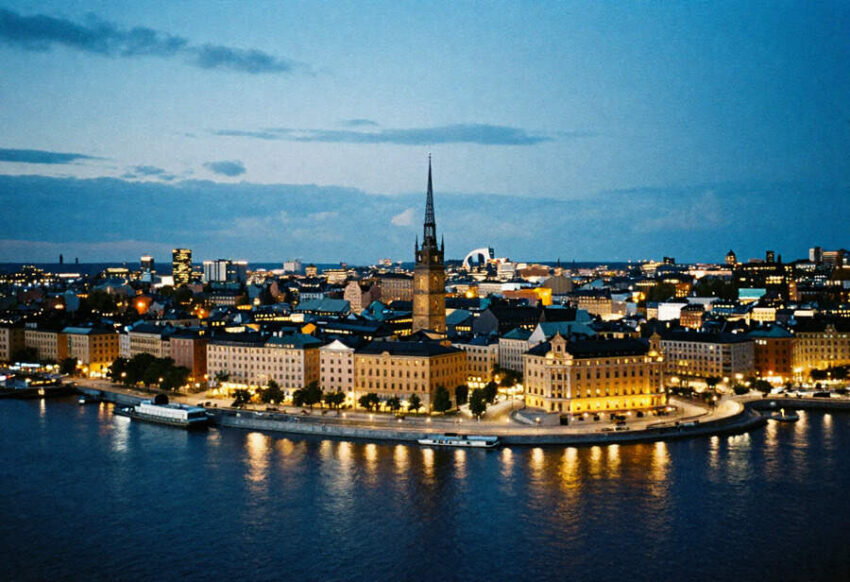
In 2025, Sweden joins Switzerland, Germany, Belgium, Austria, Ireland, and other nations in hammering Europe’s tourism, as a decline in overnight stays, visitor numbers, and receipts marks a challenging year for the region. Several of Europe’s key tourism markets have experienced significant downturns, driven by factors such as economic uncertainty, changing travel patterns, and increased competition from emerging destinations. As these countries face reduced international arrivals and weaker tourism receipts, the sector grapples with the need for strategic adaptation to reclaim its momentum. This article delves into the specific declines seen in each country and the broader impact on European tourism.

In 2025, several European countries have experienced notable declines in tourism, marking a shift in the continent’s once-thriving tourism landscape. Countries like Sweden, Switzerland, Germany, Belgium, Austria, and Ireland are facing declines in key tourism metrics, including foreign arrivals, overnight stays, and tourism receipts. This article breaks down the tourism declines in these nations, examining the factors contributing to the downturn and their broader impact on the European tourism industry.
Germany Faces Drop in Arrivals and Overnight Stays
Germany, one of Europe’s largest tourism markets, reported a 1.9% drop in foreign arrivals in 2025. The most significant impact was seen in the first quarter, with a steep 3.5 million overnight stays lost. This decline reflects broader challenges in the country’s tourism sector, with weaker demand from international travelers compared to previous years. Despite being a top destination for cultural, historical, and business tourism, Germany saw a slight dip of 0.1% in tourism receipts, indicating that even with fewer visitors, spending per traveler didn’t fully recover.
Germany’s main attractions, including cities like Berlin, Munich, and Hamburg, experienced lower tourist traffic. The decline can be attributed to a mix of factors, including global travel uncertainties and economic shifts that have made travelers more cautious when booking international trips.
Ireland Struggles with a 9% Decrease in Arrivals and Receipts
Ireland, known for its stunning landscapes and rich cultural heritage, faced an even steeper decline, with a 9.0% decrease in foreign arrivals in 2025. The country also saw a 13.4% drop in tourism receipts, which reflects not only fewer visitors but also lower spending. In the first quarter, Ireland’s foreign overnight stays plummeted by 23.1%, showcasing a severe dip in the early part of the year. This decline is concerning, particularly for regions heavily reliant on tourism, like Dublin, Galway, and the Irish countryside.
Several factors have contributed to Ireland’s struggles in tourism, including global economic conditions, the rising cost of travel, and reduced airline connectivity. Ireland’s tourism sector, traditionally strong in both leisure and business travel, has felt the pinch from an increasingly competitive global market.
Switzerland’s Stable but Declining Tourism Market
Switzerland, known for its majestic Alpine scenery and luxury tourism offerings, faced a modest 1.1% decline in tourism receipts in 2025. While the number of foreign arrivals remained flat at 0.0%, the country’s tourism revenue dropped, indicating a less favorable spending environment. Swiss tourism is typically bolstered by high-income visitors attracted to its ski resorts, spas, and luxury hotels. However, the country’s tourism sector is struggling to maintain its pre-pandemic boom levels, as high prices and economic uncertainty dampen demand.
Although Switzerland continues to attract a steady flow of visitors, especially from neighboring countries, its tourism receipts have been under pressure. The country’s reliance on premium, high-spending tourists may make it more vulnerable during times of economic fluctuation.
Austria’s Tourism Faces Q1 Declines
Austria saw a drop in tourism during the first quarter of 2025, with a notable decrease of 1.4 million overnight stays. The decline in overnight stays mirrors a broader European trend where travelers are seeking shorter, more budget-friendly trips. Vienna, Austria’s top destination, is particularly affected by the fall in long-term stays. While Austria has a strong cultural offering, including its classical music heritage and picturesque landscapes, the country’s tourism sector has struggled with competition from other European destinations.
The decline in overnight stays is concerning for Austria’s economy, as tourism is a major contributor to its GDP. While Austria remains a popular destination for tourists in the summer and winter seasons, its winter tourism market, in particular, has seen slow growth due to changing travel patterns and financial constraints on potential visitors.
Croatia Sees Steep Decline in Foreign Visitors
Croatia, which has risen in popularity in recent years, experienced a dramatic 16.7% drop in foreign visitors during the first quarter of 2025. The decline in arrivals is a significant blow to Croatia’s tourism sector, which had been enjoying a surge in tourism in recent years, especially during the summer months. Popular destinations like Dubrovnik, Split, and the Istrian Peninsula have seen fewer tourists, which has led to a downturn in both revenues and the local economy.
The 16.7% drop in foreign visitors can be attributed to a mix of factors, including increased competition from other Mediterranean destinations, shifts in travel preferences, and the effects of global inflation on travel spending. Croatia’s tourism industry will need to pivot to more sustainable and diversified offerings if it hopes to regain its standing as a top destination in Europe.
Belgium Sees Mixed Results with Growth in Arrivals but Decline in Receipts
Belgium reported a mixed performance in 2025. While arrivals grew by 4.8%, tourism receipts fell by 3.1%. This suggests that while more tourists are visiting Belgium, their spending per visit has decreased. Key destinations like Brussels, Bruges, and Antwerp attracted a steady flow of visitors, but these tourists were spending less than in previous years.
This discrepancy highlights broader trends in European tourism: while international arrivals are recovering, the spending power of tourists is weaker. Belgium’s reliance on a diverse range of tourists, from leisure travelers to business visitors, may have insulated it from a larger decline, but its tourism industry still faces challenges in terms of profitability.
Sweden’s Struggles with Declining Tourism in 2025
Sweden, like many of its European neighbors, has struggled with a downturn in tourism in 2025. The country reported a significant decline in overnight stays, reflecting a broader trend of reduced international travel to northern Europe. Sweden’s appeal, with its stunning natural landscapes, vibrant cities like Stockholm and Gothenburg, and cultural offerings, hasn’t been enough to shield it from the wider decline in European tourism. The country’s tourism receipts have been under pressure, contributing to the overall tourism downturn in Europe.
The Swedish government and tourism bodies will need to focus on innovative strategies, such as promoting eco-tourism and year-round travel experiences, to counter the drop in tourist numbers. Increased competition from other Scandinavian countries and the effects of global economic uncertainty continue to challenge Sweden’s tourism sector.
Sweden Joins Switzerland, Germany, Belgium, Austria, Ireland, and Other Nations in Hammering Europe’s Tourism in 2025
As 2025 unfolds, the European tourism sector faces substantial setbacks in several key markets. Countries like Sweden, Switzerland, Germany, Belgium, Austria, and Ireland are seeing declines in critical tourism metrics such as foreign arrivals, overnight stays, and receipts. These declines highlight the broader challenges facing the European tourism industry, as shifting travel patterns, economic uncertainties, and rising costs impact both travelers and the destinations they visit.
In many cases, the tourism declines in these countries are linked to economic conditions, competition from emerging destinations, and evolving traveler preferences. As Europe’s tourism sector adapts to these changes, nations will need to reconsider their marketing strategies and focus on sustainability, affordability, and unique cultural offerings to recapture their previous levels of success.
The Future of European Tourism: Adapting to the New Normal
With several European countries experiencing declines in tourism, it is clear that the sector needs to adapt to new travel trends. The decline in overnight stays and tourism receipts indicates that travelers are becoming more selective, seeking budget-friendly and sustainable options. This shift calls for a reevaluation of how destinations market themselves, especially in the face of increasing competition from non-traditional tourist hubs.
The rise of eco-tourism, sustainable travel options, and immersive cultural experiences are becoming key drivers of future tourism growth. Countries that can pivot toward these trends while offering competitive pricing and seamless travel experiences will be better positioned to recover from the setbacks of 2025.
In 2025, Sweden joins Switzerland, Germany, Belgium, Austria, Ireland, and other nations in facing a downturn in Europe’s tourism due to declines in overnight stays, visitor numbers, and receipts. Economic uncertainty, changing travel preferences, and rising competition have all contributed to this challenging year for the sector.
While Europe’s tourism sector is facing significant challenges in 2025, the countries that have seen declines in arrivals, overnight stays, and receipts will need to embrace innovation and sustainability to thrive in the future. From Sweden to Croatia, each country’s experience offers valuable lessons on the changing landscape of international tourism. By responding to emerging trends and focusing on unique travel experiences, European nations can overcome the setbacks of 2025 and pave the way for a more resilient tourism industry.
