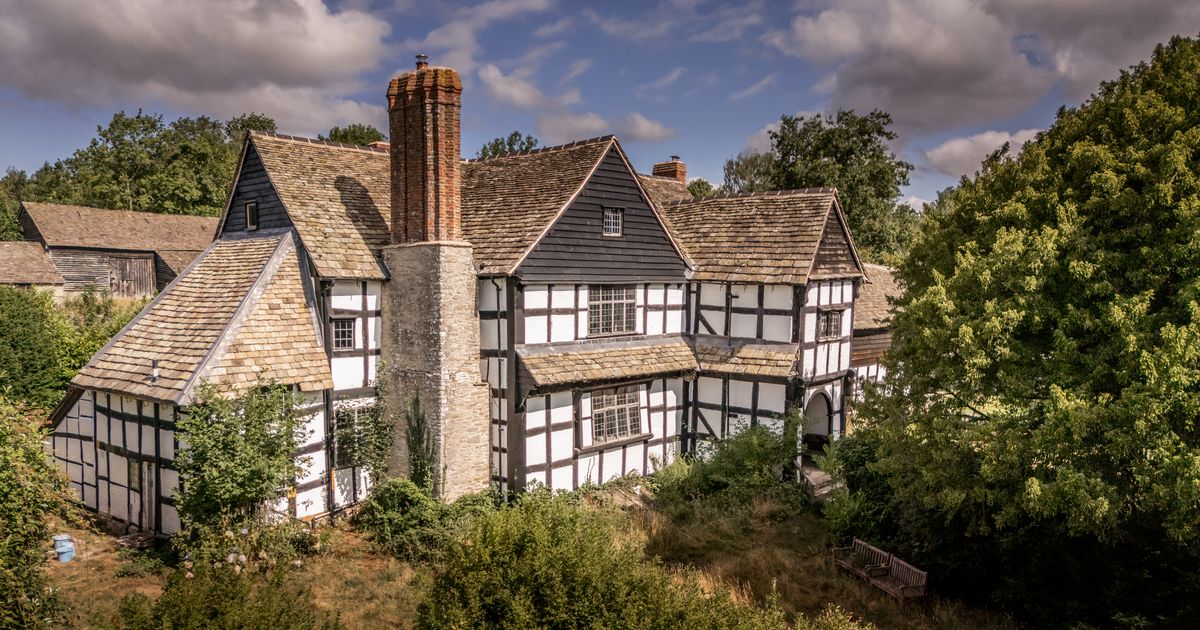
The cottage is the backdrop of a film featuring Paul Mescal coming to cinemas in a number of days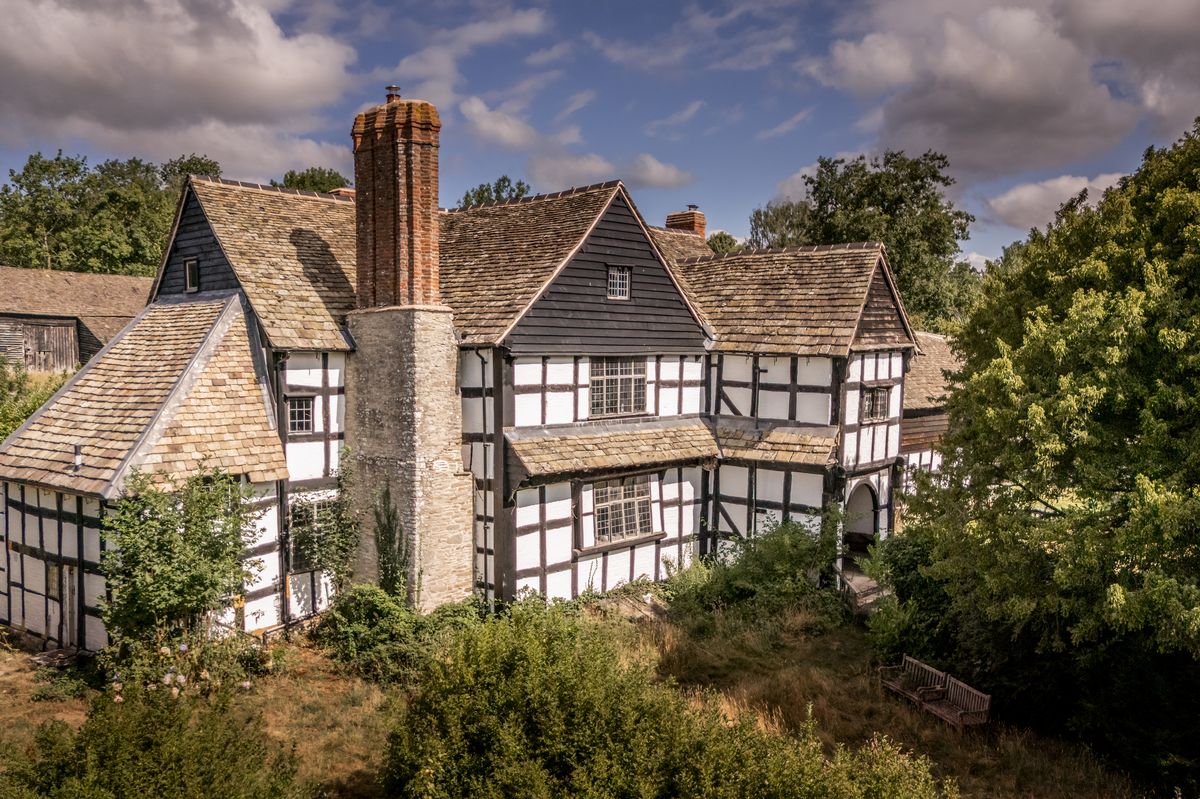 National Trust’s Cwmmau Farmhouse Restoration
Families are being invited to stay at a holiday cottage that is about to feature in an upcoming 2026 film. The Cwmmau Farmhouse, just over two hours’ drive from Liverpool, is a National Trust site that became Agnes Hathaway’s family home ‘Hewlands’ in Hamnet.
The film, based on Chloé Zhao’s adaptation of Maggie O’Farrell’s bestselling novel about Shakespeare’s only son and the grief that inspired Hamlet, will land in UK cinemas on Friday, January 9.
Hamnet was filmed across Herefordshire in the summer of 2024. Just a few miles outside of Weobley, Cwmmau Farmhouse provided the romantic backdrop for Will (Paul Mescal) and Agnes’s (Jessie Buckley) first meeting. In the film, the Grade II-listed holiday cottage is where the two fall in love, before life and eventually grief.
Set along winding lanes in the Welsh Marches and surrounded by ancient woodlands and meadows, the farmhouse – with its black-and-white exterior and cluster of outbuildings and barns – was discovered by chance by the supervising location manager.
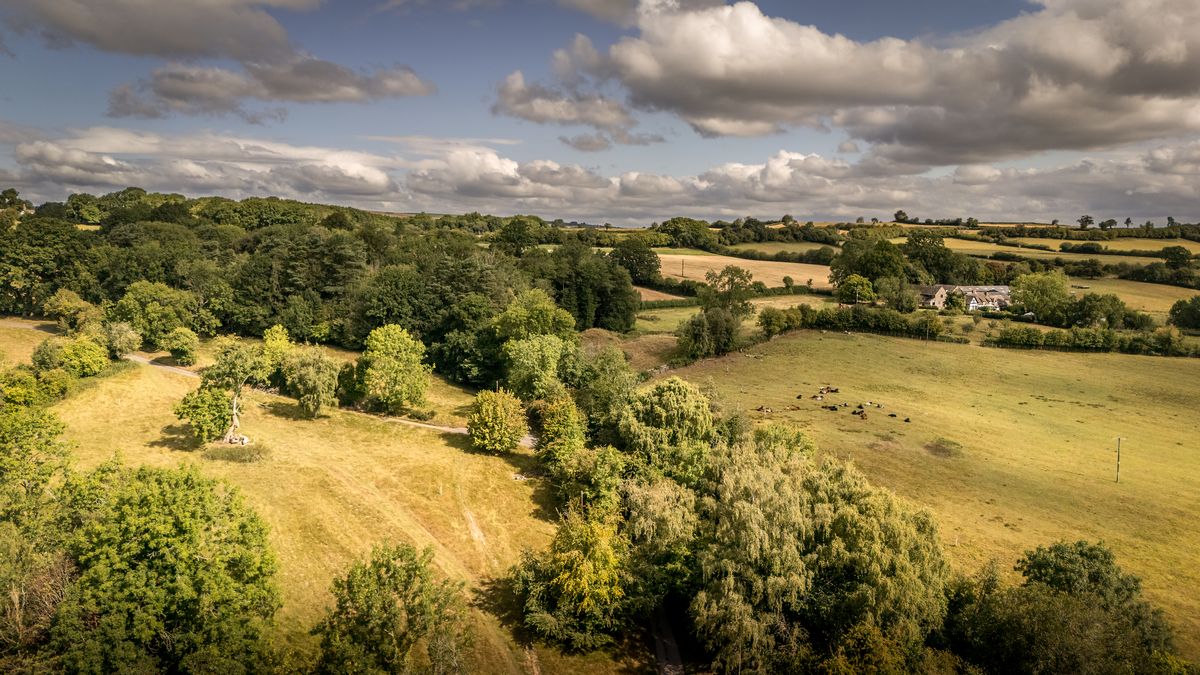 The site is a grand Jacobean farmhouse, surrounded by farmland, woodland and meadows.
It is said to offer an authentic glimpse into rural Elizabethan life, in a “landscape largely unchanged by modernity”. For National Trust cultural heritage curator, Lucy Armstrong-Blair, who oversaw the shoot, the experience “felt like time travel”.
She said: “Cwmmau Farmhouse, with its stone base, timber framing and leaded windows, is one of those rare places where the past feels close at hand.
“The production team were so thoughtful and careful with this house, director Chloé Zhao, production designer Fiona Crombie, everything they did amped up what was already here. Over two months, the quiet, secluded site was transformed into a hive of activity as hundreds of cast and crew arrived.
“The farmhouse became a family home, complete with vegetable patches, young apple trees, a tutor room, and a bustling kitchen—all sensitively dressed by the art department with the time-worn objects of 16th-century life. When the actors stepped into these spaces, in their period garments, it was nothing short of spellbinding.”
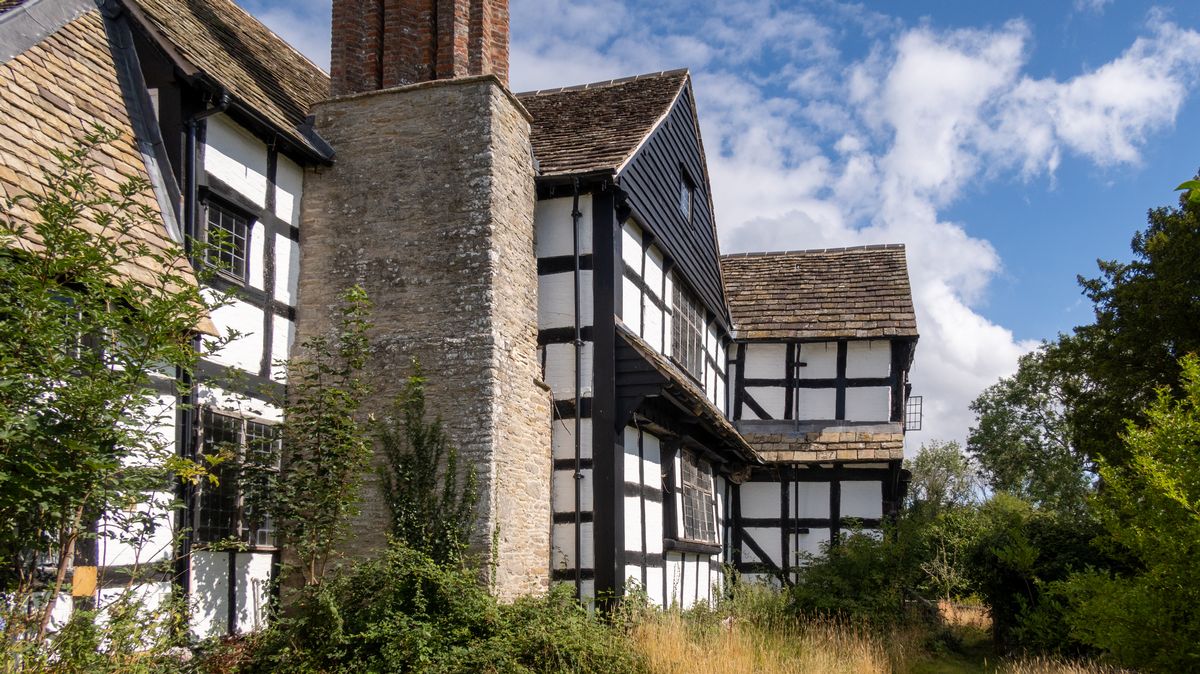 The striking house was built in the early 1600(Image: Mike Henton)
Outside the farmhouse, Agnes’ medicine garden was recreated with painstaking care. Lucy added: “Two stone beds were built by the front door, each planted with herbs, vegetables and flowers chosen after meticulous research. It was vital to honour her character as a herbalist and healer—these plants were Agnes’ lifeblood and livelihood—so every detail had to feel authentic.”
The National Trust said filming left a lasting legacy, funding sensitive renovations that balance history with modern sustainability. Original features, including leaded windows, oak beams, stone floors, and the 16th-century kitchen with bread ovens, remain intact, while upgrades such as a biomass boiler and spacious bathrooms ensure comfort.
Outside, the production donated the real prop apple trees and replaced a stretch of period-style wooden fencing near the farmhouse. From March, fans of the film – and the original novel – can stay at Cwmmau Farmhouse across five bedrooms, offering a “rare chance” to stay in a house steeped in history.
Cwmmau Farmhouse sleeps 10 across five bedrooms, including two with four poster beds, with a large, enclosed garden. You can pair your stay with visits to Weobley, known as the ‘black and white village’ for its half-timbered streets, and Hay-on-Wye for bookshops and café stops and add in The Weir Garden for riverside walks.
Guests booking through National Trust Holidays enjoy free entry to The Weir and all National Trust places during their stay.