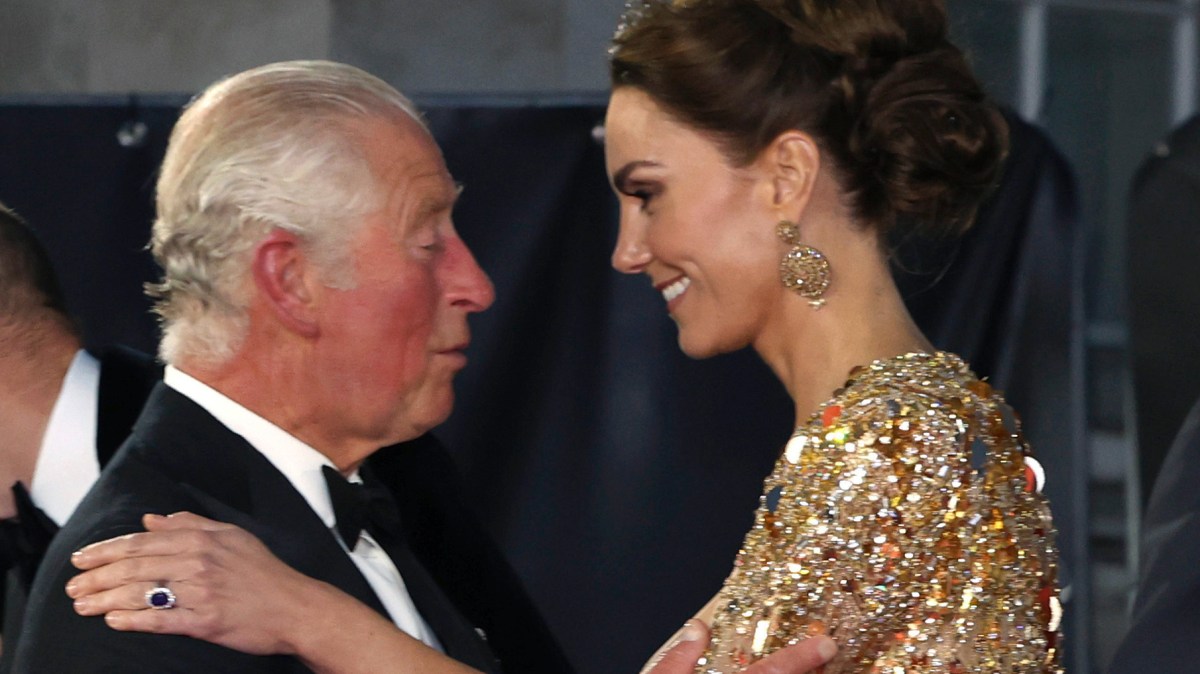
One hundred years ago, relatives of the King and the Princess of Wales campaigned together to try to find a cure for cancer, a researcher has discovered.
Charles and Kate both have family members who were founders of the British Empire Cancer Campaign’s Yorkshire council in 1925, at a time when most scientists had “little interest in finding a solution”.
The philanthropic connection is poignant given that the King and princess have both had treatment for cancer in the past two years. Charles has said he will reduce his cancer treatment in 2026, while Kate announced that she was in remission last January.
The Yorkshire council, which later became Yorkshire Cancer Research (YCR), celebrated both of the royals’ family members during its 100th anniversary, which was marked with a ball at Castle Howard near Malton and a commemorative book.
Charles’s great-uncle the sixth Earl of Harewood, then Viscount Lascelles, was the first president of the YCR, while Sir Charles Lupton, Kate’s great-great-great-uncle, was the first vice-president.
The coincidence was realised by Michael Reed, an Australian historian who has researched both family trees. He recognised a name while reading about the YCR centenary.
“I felt it was very poignant that although the princess and King Charles’s [family members] were both aristocratic men, they chose to get their hands dirty doing really tough campaigning for a disease which, in 1925, perplexed most leading scientists, who therefore had little interest in finding a solution,” the lecturer told The Telegraph.
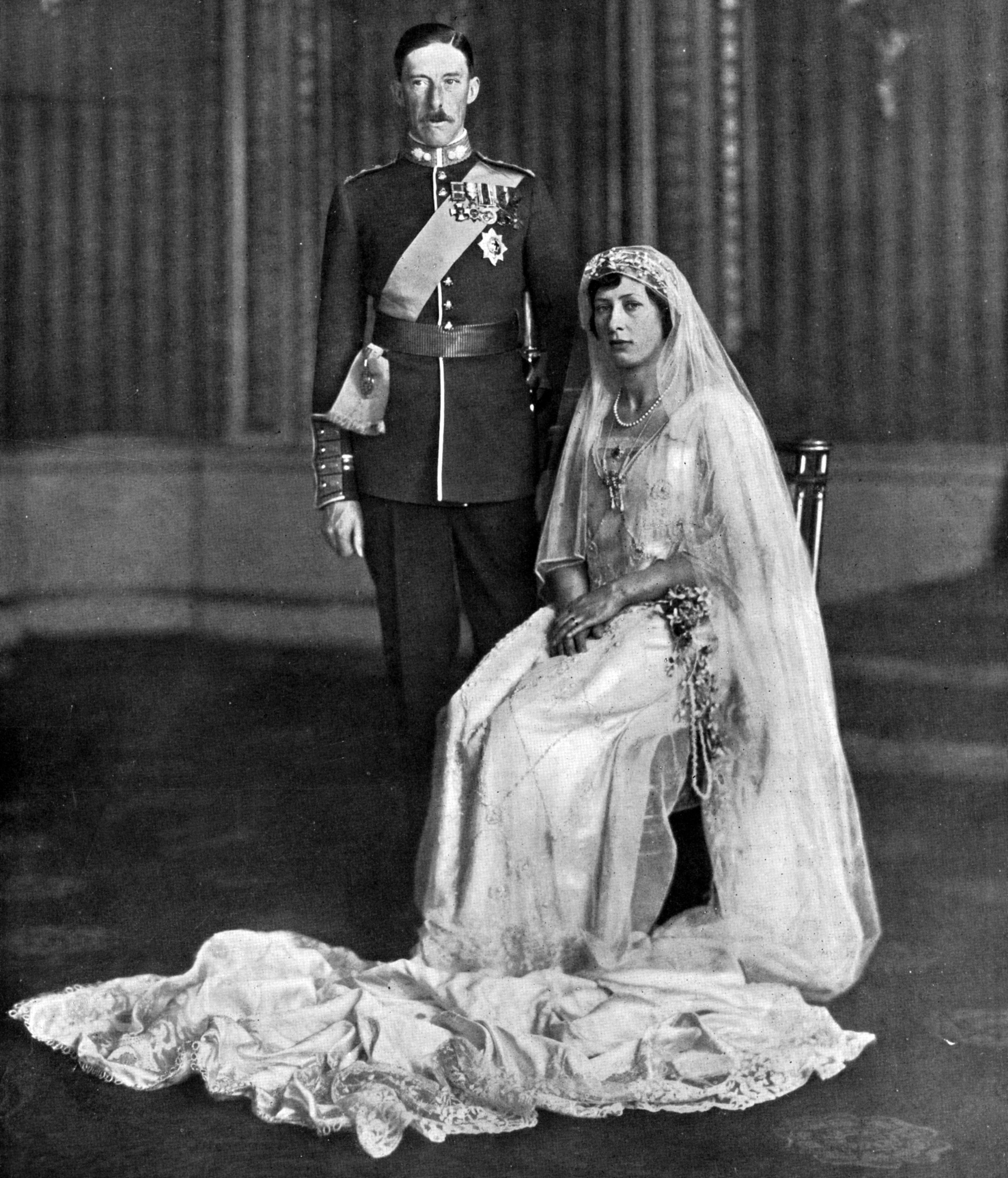
Charles’s great-aunt Princess Mary and her husband, Viscount Lascelles, at their wedding in 1922
“I was moved to learn that [Lupton] had considered himself at age 70 too old to be Viscount Lascelles’s first vice-president, but still agreed to lead this charity because he felt so strongly that a cure for cancer was desperately needed.”
On whether the royals were aware of the connection, Reed said: “I doubt they would have been aware that the chief charitable interest of two of their [family members] was campaigning to find a cure for cancer.
“I think this new knowledge of both families having a historically strong connection to cancer research will add to both the King’s and princess’s determination to continue fighting the disease with the dignity that many throughout the world have been so impressed to see.”
Lascelles was married to Princess Mary, whose brothers were Edward VIII and George VI. After a military career, he came into an inheritance and championed causes around Yorkshire including the YCR. Mary later became president of the council, a title held until she died in 1965.
Lupton was the brother of Francis Lupton, Kate’s great-great-grandfather. A Leeds solicitor, he was vice-president of the YCR until he died in 1935.
A pamphlet celebrating the charity’s centenary described Lupton as “an outstanding man among men”, and “full of old-world courtesy and consideration, quiet, unassuming, sincere, with a direct simplicity which could not be resisted”.

Kate is known for her support for medical charities
STEFAN ROUSSEAU/REUTERS
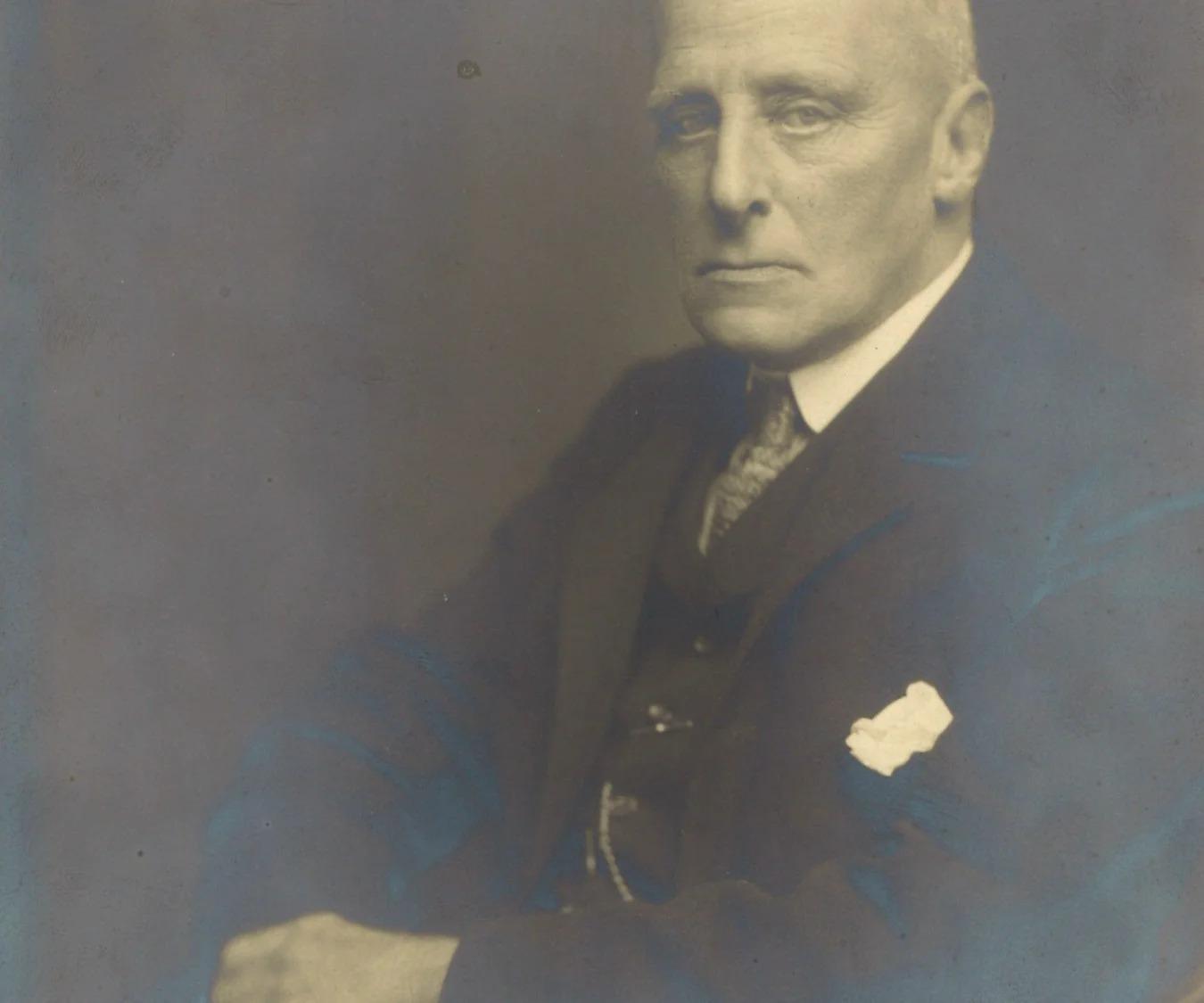
Charles Lupton is the Princess of Wales’s great-great-great-uncle
It went on: “While he was continually striving for the alleviation and cure of suffering, his chief concern was in preventing it.”
A century on and Charles and Kate, like their historical family members, both work to raise awareness and funds for cancer charities.
The King has emphasised the importance of early detection. He is patron of both Cancer Research UK and Macmillan Cancer Support. The Prince and Princess of Wales are joint patrons of the Royal Marsden NHS Foundation Trust.
In December Kate visited the southwest London hospital and dedicated a rose in its “ever after garden”.