
There is good news on the horizon for anyone needing a helping hand with slimming down after Christmas. A second wave of weight-loss medication is on the way in 2026 — and it is likely to be cheaper than jabs such as Ozempic, Mounjaro and Wegovy.
Weight-loss drugs, known as GLP-1 agonists, are being developed in pill form, meaning people can switch from having to inject themselves once a week to popping a daily tablet.
As well as being more convenient, pills are cheaper to store and manufacture, meaning the drugs are likely to be more affordable than Wegovy or Mounjaro, which can cost about £250 a month.
The first such pill, called orforglipron, is made by the US pharma giant Eli Lilly and has been shown to help people lose 12 per cent of their bodyweight in trials. It is expected to be approved by medical regulators in the UK and the US in the coming months.
More than two million Britons are already taking weight-loss injections, but do not be surprised if this figure grows: there are 15 million obese adults in the UK.
Medical breakthroughs are not just confined to the field of obesity. Those working in cancer say we are in the middle of a golden age of research, with advances in immunotherapy meaning diagnoses that were previously a death sentence are now curable.
Alex Farber, media correspondent
On screen, the BBC is kicking off its year with John le Carré’s spy saga The Night Manager and slick City thriller Industry but the real drama in 2026 will be taking place behind the scenes at New Broadcasting House.
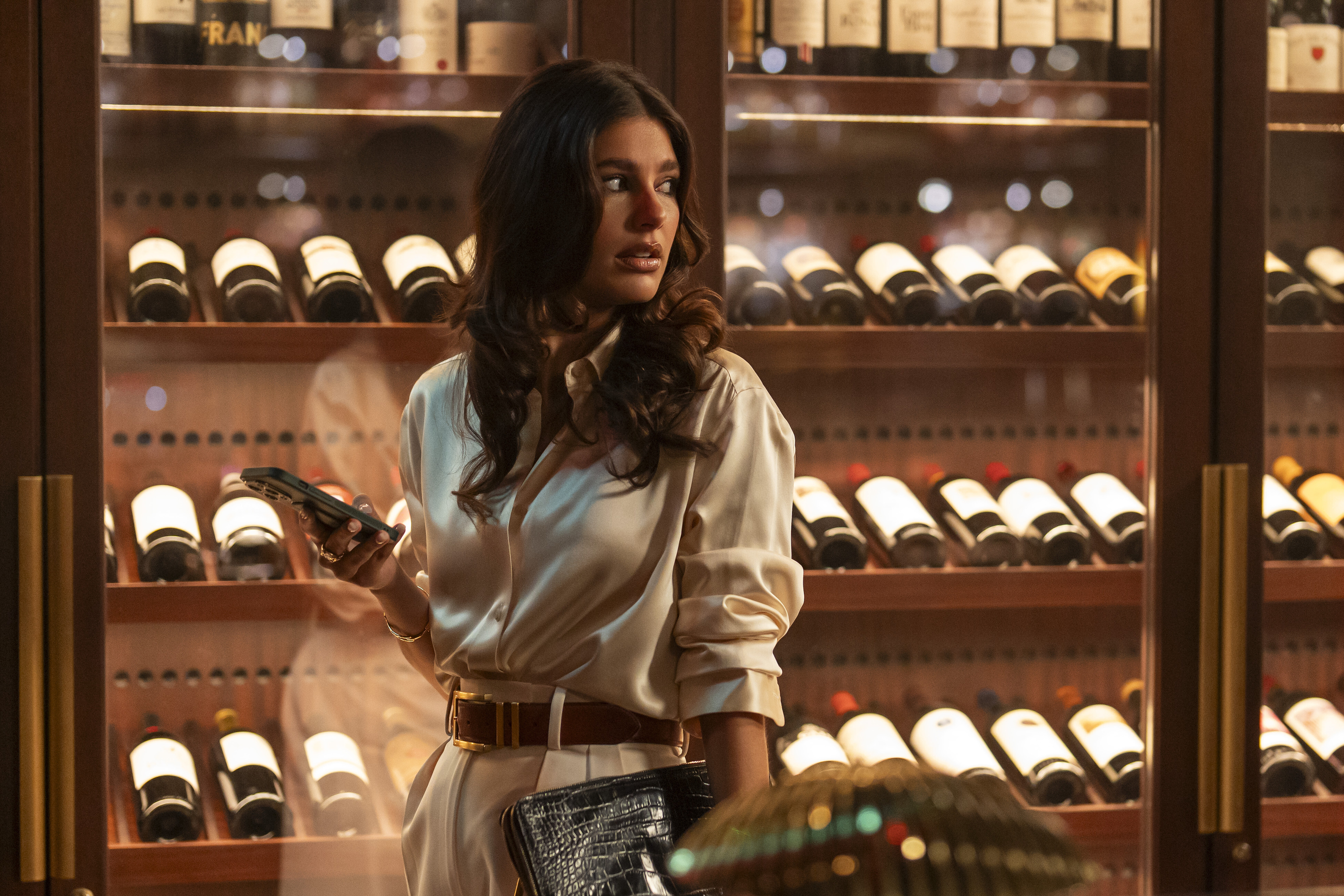
Camila Morrone stars in the second series of The Night Manager
INK FACTORY/BBC/PA
Last year it was forced to replace the presenters Huw Edwards, Gary Lineker and Gregg Wallace but this year the succession planning has moved to the boardroom with the unexpected resignation of the director-general and head of news in a single evening.
The exits of Tim Davie and Deborah Turness were prompted by President Trump after the BBC was forced to apologise for a Panorama programme that misedited the speech he gave before the 2021 Capitol riots.
Rhodri Talfan Davies, BBC director of nations and thought to be highly regarded by Davie, is expected to become interim director-general before a permanent successor is decided.
Jay Hunt, a former BBC News editor, BBC1 controller and Channel 4 chief creative officer, is considered the candidate to beat if the temptation of becoming the first female director-general is sufficient to lure her away from a lucrative and low-profile role in charge of Apple TV in Europe.
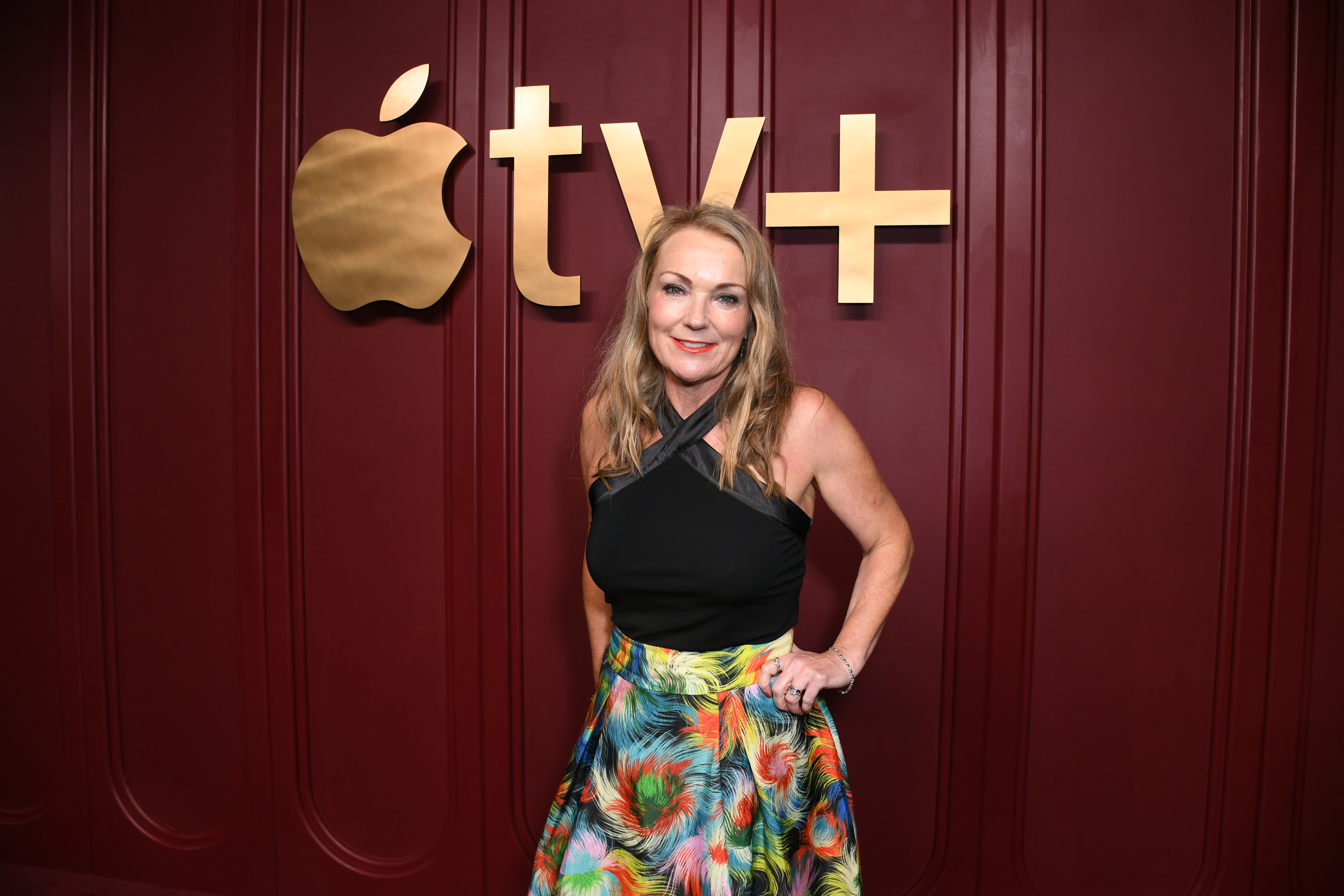
Jay Hunt
JC OLIVERA/GETTY IMAGES
Will Trump bankrupt the BBC by successfully suing it for $10 billion over the Panorama farrago? Unlikely, but it is feasible that after its apology the station finds itself having to settle to avoid a costly legal battle.
Kate Mansey, royal editor
After a tumultuous year in which Andrew Mountbatten-Windsor was stripped of his royal titles, the Windsors will be hoping that there are better days ahead.
The King starts the year after receiving the “good news” that his cancer treatment can be reduced. While he is not in remission, it means that he no longer needs weekly sessions.
At 77, Charles will hope this gives him more time and energy to concentrate on other matters, including some foreign travel. Talks are under way about visits to the US, for the 250th anniversary of independence, and Antigua, for the Commonwealth heads of government meeting in the autumn. The Prince and Princess of Wales are expected to undertake some foreign visits in the coming year as Kate’s health continues to improve.
There may be family problems, however, to concern Charles. In January his younger son, the Duke of Sussex, is expected to return to the High Court for his ongoing case against Associated Newspapers, publisher of the Daily Mail and Mail on Sunday.

Harry has appealed to Shabana Mahmood, the home secretary, to have his taxpayer-funded armed security reinstated after losing a court battle against the Home Office.
In April, to mark what would have been the 100th birthday of Queen Elizabeth II, plans are expected to be published for what will eventually become a permanent memorial to her in St James’s Park.
Meanwhile, the process of exiling Andrew continues. He has until the end of October to vacate his home at Royal Lodge and take up residence in a cottage on the Sandringham estate. For sources close to the King, the move cannot come soon enough.
Adam Vaughan, environment editor
The future of Britain’s waterways could be decided in 2026. The biggest overhaul of water regulation since privatisation in 1989 is expected to be announced early in the year. We know the white paper will accept five recommendations of an independent review of the sector, including abolishing Ofwat, creating a new “super regulator” and giving teeth to an ombudsman.
However, we do not know how many of the Independent Water Commission’s 83 other suggestions will be accepted by Emma Reynolds, the environment secretary. Those include rationalising decades of overlapping legislation, the creation of nine regional water authorities, and reforming regulations that show only 16 per cent of England’s inland and coastal waters meet “good” ecological status.
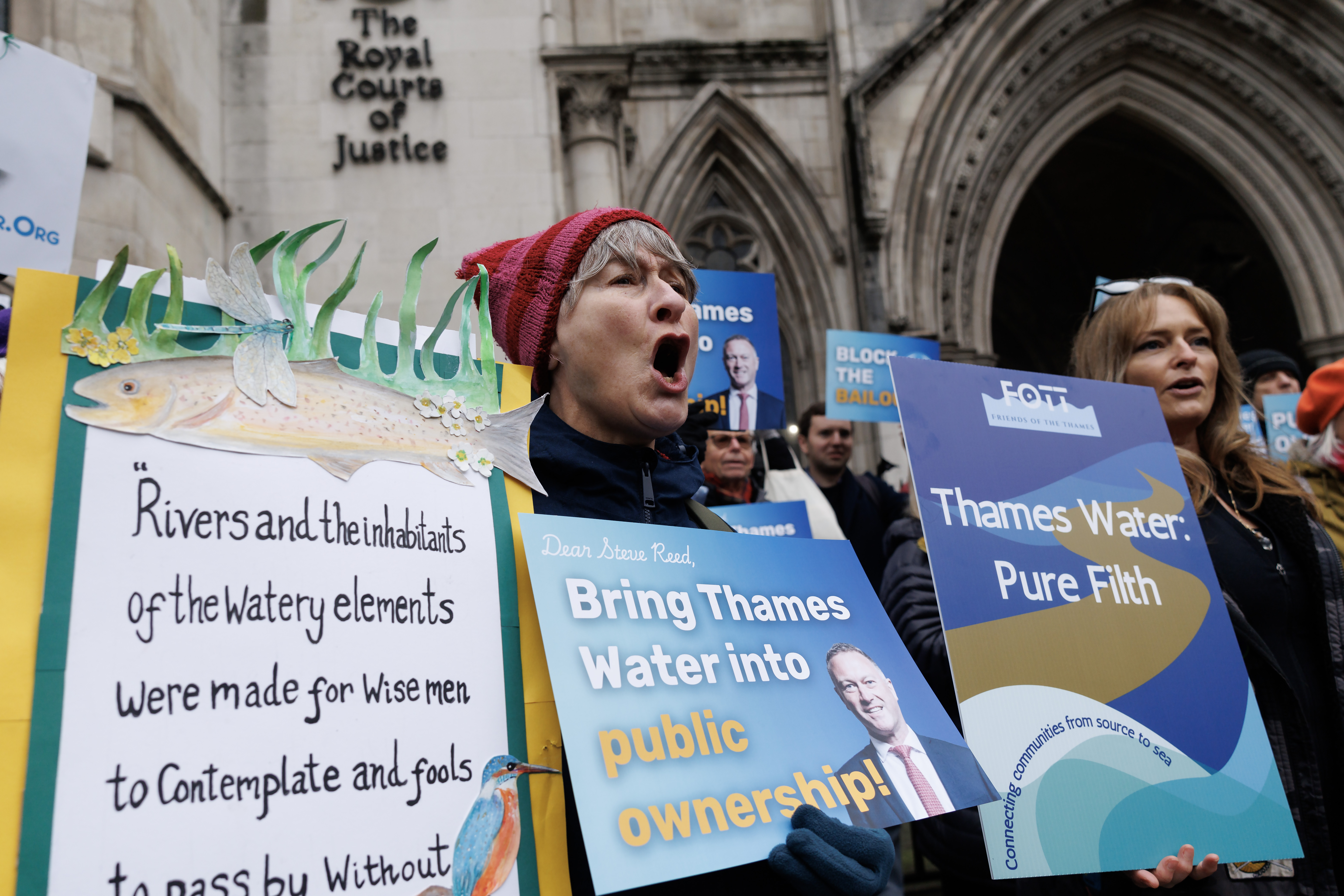
Activists have been protesting against the failings of water companies such as Thames Water
DAN KITWOOD/GETTY IMAGES
The paper, which was due before Christmas but was delayed, will serve as the blueprint for a bill the government is expected to introduce later in 2026. In the spring, we will find out whether sewage spills into waterways are being curbed by the record £104 billion of investment by water companies between 2025 and 2030. A failure to turn the tide could erode public trust in companies even further.
Then there is the wild card of debt-laden Thames Water, which has been teetering on the brink of collapse for months. Rescue talks with the creditors of the country’s biggest water company are expected to roll into 2026. If creditors, regulators and government cannot agree a deal, the company will fall into temporary nationalisation known as a special administration regime.
Matt Dathan, home affairs editor
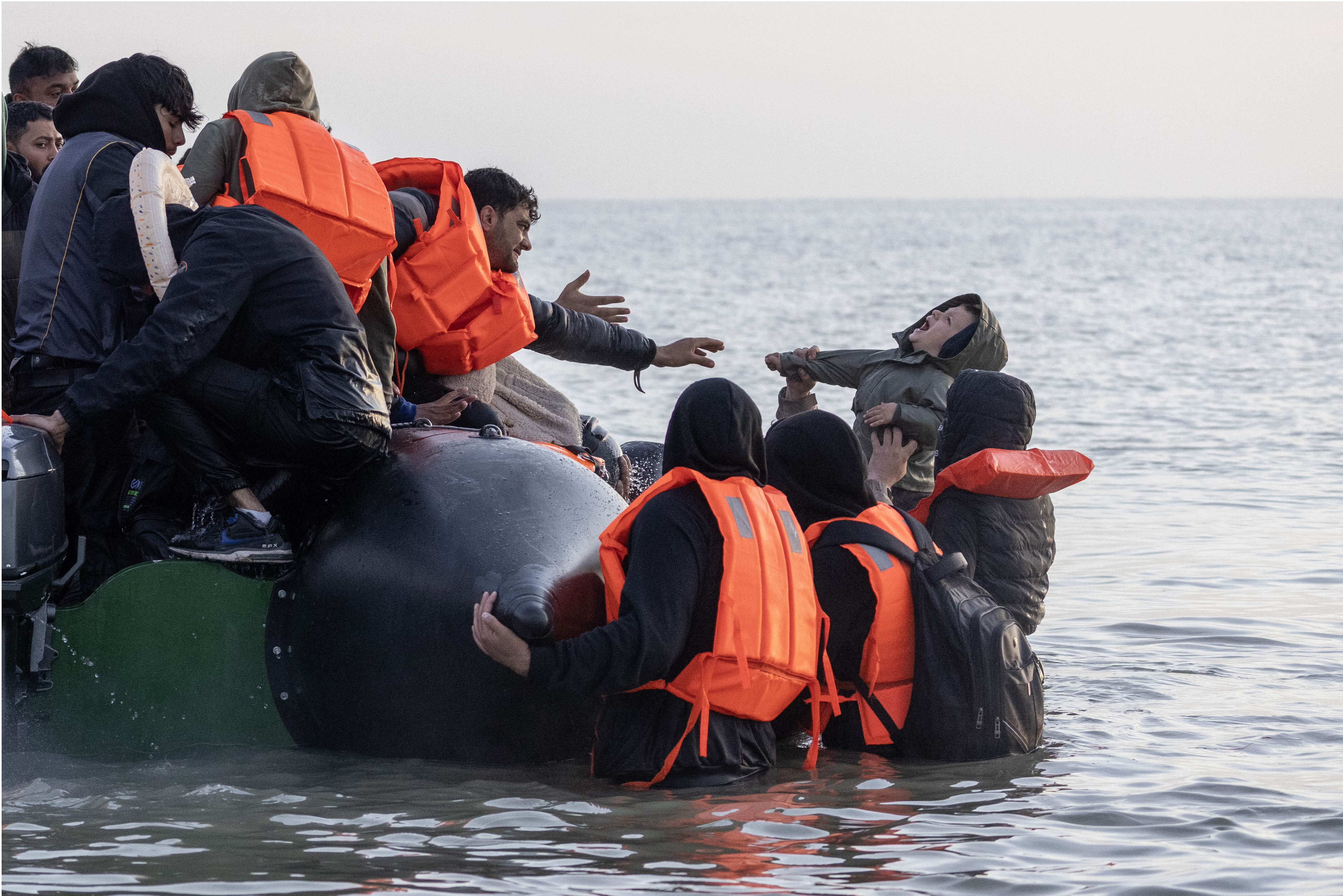
If one thing is certain to continue in 2026 it is the sight of small boats crossing the Channel.
Even the most optimistic minister does not think it will be possible to reduce the number to zero, but Sir Keir Starmer will have to start showing some progress if he has any hopes of fending off the continuing surge of Nigel Farage’s Reform UK.
TIMES PHOTOGRAPHER JACK HILL
Perhaps even more powerful to voters, because they see the results closer to home, is the number of migrants in hotels, which have risen by nearly a quarter under Labour, to 36,273.
Another certainty of 2026 will be the prominence of Shabana Mahmood. The home secretary will begin implementing a generational overhaul of asylum laws in an effort to deter migrants making the crossing.
Ministers hope that the one-in, one-out migrant returns deal with France will “ramp up” sufficiently before the pilot ends in June, so it can show Paris that it is worth continuing, although barely more than 150 have been deported under the scheme.
Mahmood is also eyeing up radical reform in policing, with a white paper set to be published early in the new year that could result in the biggest shake-up since the 1960s. The proposals include reducing the number of police forces in England and Wales from 43 under a new regional model.
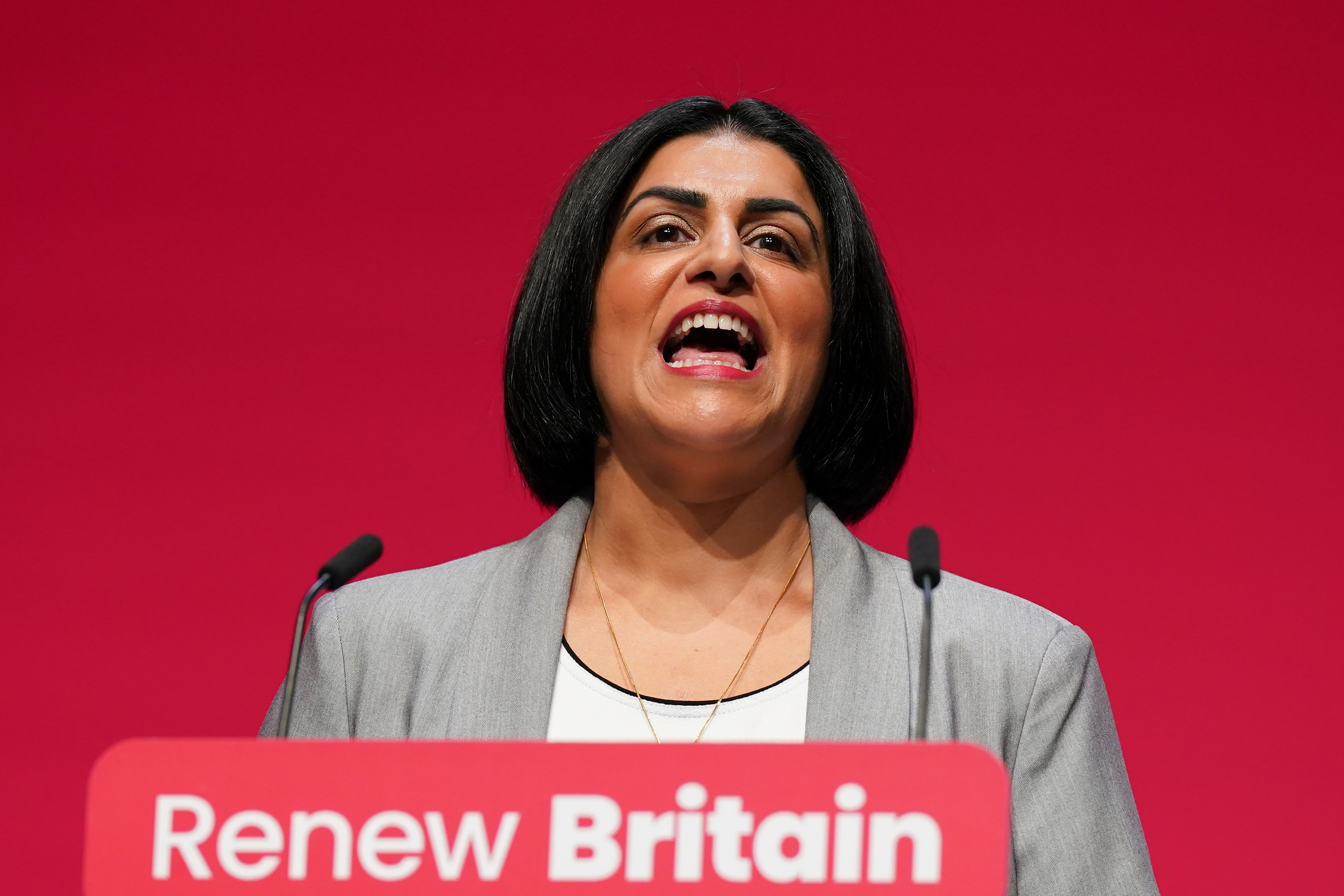
Shabana Mahmood is pushing through big reforms as home secretary
IAN FORWYTH/GETTY IMAGES
But the trickiest task for David Lammy and the Ministry of Justice will be the move to scrap half of all jury trials, which has led to a rebellion among Labour MPs, prompting talk of a government climbdown.
David Sanderson, arts correspondent
A messy bed, a 1,000-year-old embroidery and Heathcliff bedding Cathy await the nation this year.
Tracey Emin’s notorious artistic creation wakes from slumber in February, before the Bayeux Tapestry’s return to its homeland in the summer and just before what is expected to be a very 21st-century adaptation of Wuthering Heights.
Emerald Fennell’s interpretation of Emily Brontë’s 1847 novel, starring Margot Robbie and Jacob Elordi as Cathy and Heathcliff, is due to hit cinemas — provided the small-screen giant Netflix currently taking over Hollywood studios allows the big screen still to exist.
Among the other films expected are Christopher Nolan’s The Odyssey, based on Homer’s ancient epic; and Hamnet, an adaptation of Maggie O’Farrell’s novel with Paul Mescal as William Shakespeare.
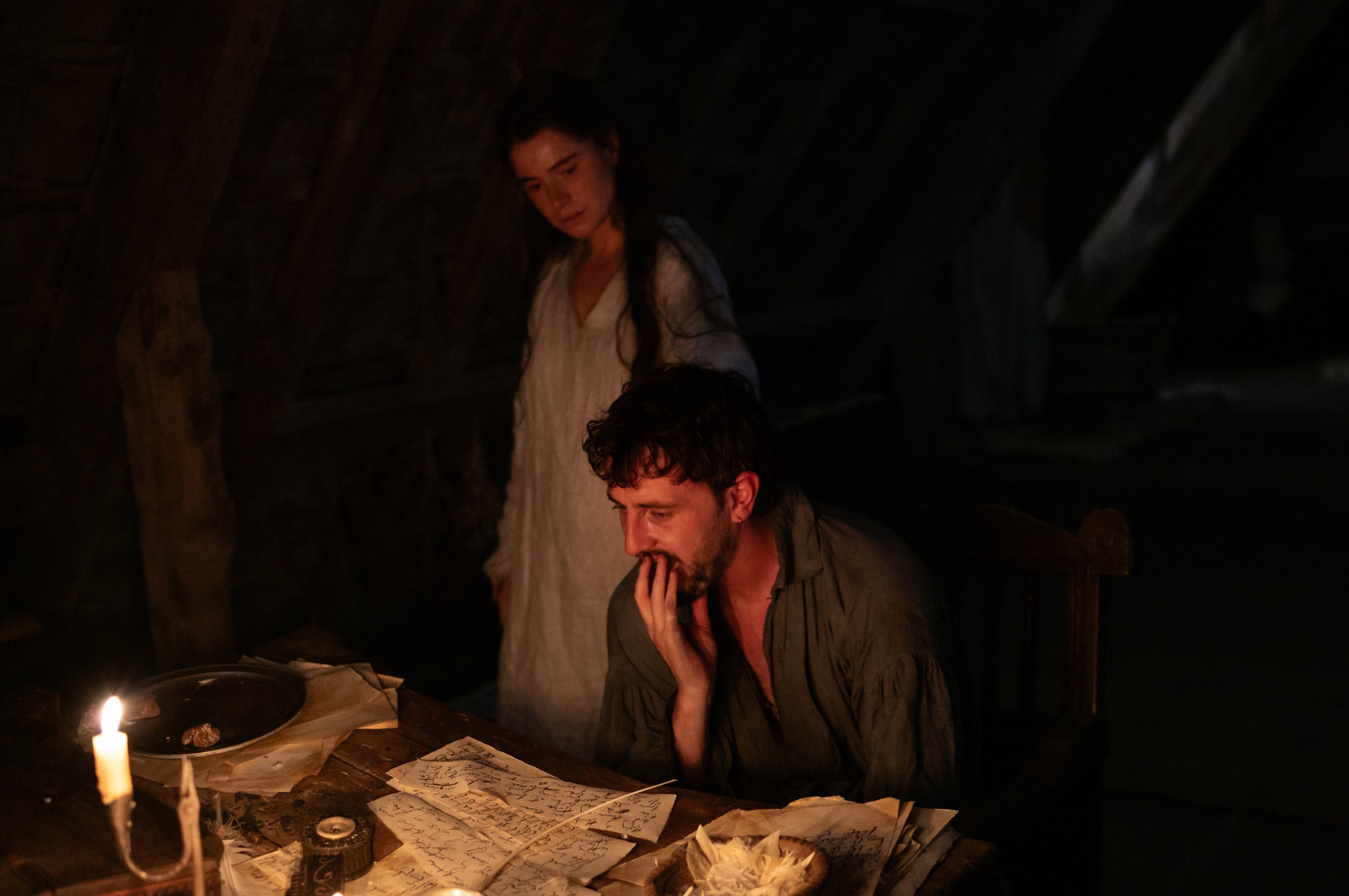
Jessie Buckley and Paul Mescal star in Hamnet
AGATA GRZYBOWSKA/FOCUS FEATURE LLC
Fiction-lovers should be catered for with new books expected from O’Farrell, Ali Smith, Francis Spufford and Robert Harris, who is due to return to Ancient Rome later in the year with Agrippa.
Perhaps the most anticipated “Booker territory” novel, however, is George Saunders’s Vigil, his first long-form fiction foray since his 2017 prizewinner Lincoln in the Bardo.
Tate Modern’s Emin retrospective will mark the end of Maria Balshaw’s tenure at the helm of contemporary art, while the Southbank Centre will celebrate the 75th anniversary of the Festival of Britain by highlighting the creativity of Danny Boyle and Anish Kapoor, among others.
Kaya Burgess, science correspondent
Since the last Apollo astronauts left the lunar surface in December 1972, human beings have hardly left our home planet. In more than half a century since then, space missions have mainly travelled to low-Earth orbit, to destinations such as the International Space Station.

Humanity will visit the moon for the first time since the 1972 landing
HARRISON H SCHMITT/AFP/GETTY IMAGES
In the spring this will change. A crew of four astronauts will travel 250,000 miles on Nasa’s Artemis II mission, orbiting the moon before return to Earth on a ten-day round trip that will mark humanity’s first return to our largest satellite in most people’s lifetimes.
We also await test launches of the first rockets from the SaxaVord Spaceport in the Shetland Islands to finally turn Britain into a true spacefaring nation, while the Large Hadron Collider in Switzerland will be shut down to begin a crucial upgrade to turn it into a mega powerful “high luminosity” particle-detecting machine.
Kaya Burgess, religious affairs correspondent
After an unprecedented resignation at Lambeth Palace and a death at the Vatican, 2025 was a year in which the Church of England, Roman Catholic Church, Church in Wales and the Catholic Church in England and Wales all had new leaders chosen. In 2026, all these newcomers will face huge challenges. They will also be hoping that the bounceback in attendance figures after the pandemic could turn into real, long-lasting growth.
Dame Sarah Mullally formally takes up the Canterbury post after a ceremony at St Paul’s Cathedral on January 28, and then will have a spectacular enthronement at Canterbury Cathedral on March 25. First, we await the outcome of a complaint against Mullally over her handling of abuse allegations in her role as Bishop of London, with similar criticisms having led to her predecessor’s resignation.

Dame Sarah Mullally
GRETH FULLER/PA
Richard Moth will be installed as the Catholic Archbishop of Westminster on February 14. Pope Leo is planning a trip to Africa, with Algeria, Cameroon and Equatorial Guinea among possible destinations.
Sanchez Manning, social affairs correspondent
The country awaits the publication of two key pieces of guidance that will define how public and private bodies handle transgender issues.
The first is the Equality and Human Rights Commission’s (EHRC) updated code of practice, which the women’s and equalities minister has been accused of sitting on since it was submitted to the government in September.
This statutory guidance will set out how organisations such as hospitals, gyms and clubs should administer single-sex spaces based on biological sex, drawn up in the wake of the landmark Supreme Court judgment in April.
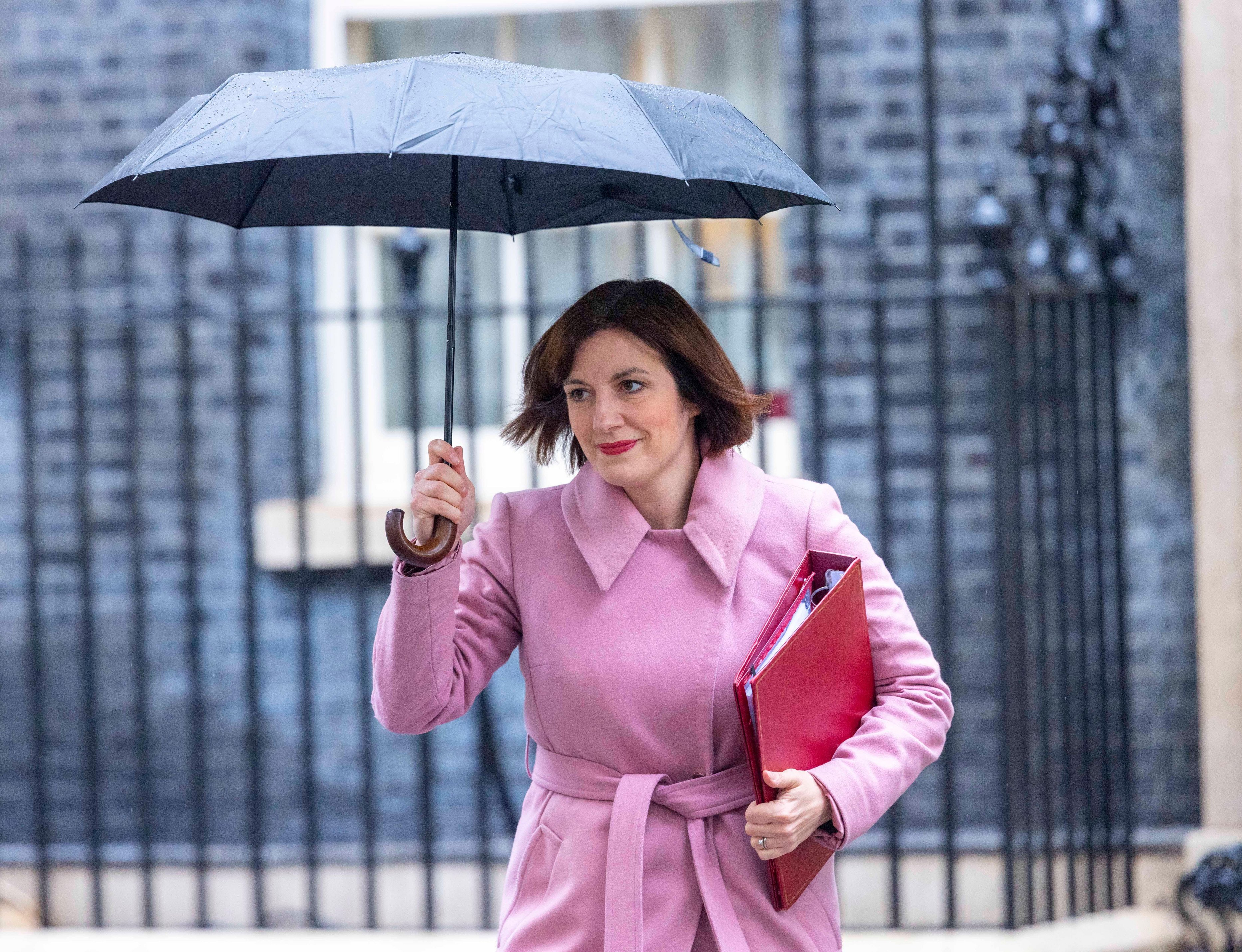
Bridget Phillipson, the education secretary, who is overseeing the EHRC guidance
MARK THOMAS/ALAMY
The government is defending the delay in publication by saying it is taking time to study the 300-page document.
More important advice that may emerge in 2026 — after a three-year wait — is the guide for schools on policies for transgender pupils. It was put on hold in 2023 when Victoria Prentis, as attorney-general, warned that the outright ban being considered by ministers on allowing pupils to socially transition to present as another gender would be unlawful.
Mark Sellman, technology correspondent
Every quarterly report from Nvidia, Microsoft, Google and Meta will read closely by those looking for signs of a pop in the great AI bubble.

The new iPhone 17 appears to have sold well without Apple pushing its AI features
MAXIM SHEMETOV/REUTERS
It will not be an easy watch for those invested in the market, either directly or through their pensions. There was a possible canary in the coalmine at the end of 2025: Apple had bumper sales of its iPhone 17, which was marketed with virtually no AI hype.
The battle over proposed changes to copyright law by the government, to address how AI programs gather data, will come to a head. Expect a deal rather than sweeping changes in legislation.
Two themes will dominate consumer tech news next year: smart glasses and foldables. Meta has thrown down the gauntlet to rivals with its Ray-Ban Display, the first glasses that project a heads-up display. Snap is expected to follow with its version, and Google is producing a revived product in 2026.
Apple is expected to release a foldable iPhone next year, which will focus attention on a feature pioneered by Samsung. Selling in the £1,300-£1,700 range, foldable phones are a premium product, but competition from China is pushing prices down and forcing innovation, such as the tri-fold model from Huawei, which has been followed by Samsung.

Samsung’s innovation in foldable phones has inspired competitors
SEONGJOON CHO/BLOOMBERY/GETTY IMAGES
Cybersecurity will continue to dominate headlines if there are more high-profile hacks similar to those against Marks & Spencer, Jaguar Land Rover and Co-op. There will be greater pressure on organisations to protect themselves, either by law or decreasing risk exposure. Passwords will thankfully slowly start to slip away, replaced by more secure passkeys.