
Home
»
Greece
»
Greece Travel News
»
France and Spain Join Netherlands, Greece, UK, Italy, Austria, and Others in Cracking Down on Short Term Rental Regulations Across Europe to Regulate Overtourism in 2026: Everything Travelers Need to Know
Published on
January 1, 2026

France and Spain join the Netherlands, Greece, the UK, Italy, Austria, and others in cracking down on short-term rental regulations across Europe to regulate overtourism in 2026, aiming to protect housing and control rising costs. This growing trend of stricter short-term rental (STR) rules comes in response to increasing concerns over the commercialization of residential properties, which has exacerbated housing shortages in many major European cities. As local governments work to balance the needs of residents with the demands of the tourism industry, travelers will face new regulations that include annual night caps, mandatory registration, and stricter zoning laws. While these measures are designed to make housing more accessible to locals, they also mean fewer short-term rental options, higher accommodation prices, and the need for careful planning. This article explores how these regulatory changes will impact travelers in 2026 and what you need to know to navigate the evolving landscape of short-term rentals in Europe.
France: Paris Implements STR Crackdown to Balance Housing Needs

Paris, one of Europe’s most iconic cities, has faced an ongoing struggle with housing shortages due to the increasing commercialization of residential properties. In response, the French capital has introduced a series of strict regulations aimed at curbing the growth of short-term rentals. Property owners in Paris are now required to register their short-term rentals, and the city has placed a cap of 120 nights per year on any given rental property.
This crackdown on short-term rentals is designed to ensure that residential housing remains accessible to Parisians, while still accommodating the city’s tourism needs. However, this regulation has led to a reduction in available rentals, particularly in the central areas of the city. As a result, tourists can expect higher accommodation prices, especially during peak travel seasons like fashion week or the Olympics. To avoid disappointment, travelers should book accommodations well in advance and verify that the property is registered with local authorities.
United Kingdom: A Longstanding 90-Night Cap in London

In the United Kingdom, the regulation of short-term rentals has long been under scrutiny, with London being at the forefront of these efforts. London’s regulations cap short-term rentals at 90 nights per year, allowing property owners to rent out their homes for up to 90 nights annually without the need for a special permit. If a rental exceeds this limit, property owners must submit a planning application to secure permission. This cap has been in place for some time, but with increasing pressure on the housing market, it has become a critical measure to ensure that residential properties are not overtaken by short-term rental operations.
While this cap helps prevent the commercialization of housing in London, tourists will find that the limited number of short-term rentals available during peak seasons may make it harder to secure affordable accommodation. Travelers to London should plan well in advance and anticipate higher prices, especially during high-demand periods, as the limited supply of available rentals drives costs up.
Italy: Florence Bans New STRs in Historic Center

Florence, Italy, a UNESCO World Heritage site known for its stunning architecture and rich cultural heritage, has taken a bold step in regulating short-term rentals. In an effort to preserve the city’s historical charm and maintain housing availability for local residents, Florence has introduced a ban on new short-term rental registrations in its historic city center. This move focuses on maintaining the city’s identity and ensuring that residential properties are available for the local population, rather than being converted into tourist accommodations.
As a result of this regulation, visitors will find fewer options for short-term rentals in the heart of Florence. Tourists may need to seek accommodations further outside the city center or consider traditional hotels. While this policy aims to protect the city’s heritage, it could lead to higher costs for tourists who are looking for accommodation in central Florence.
Spain: Palma de Mallorca Bans STRs in Apartment Buildings

Palma de Mallorca, a popular tourist destination in Spain, has enacted a partial ban on short-term rentals. The new regulations prohibit short-term rentals in apartment buildings, allowing them only in isolated houses or villas. This policy aims to protect residential areas from the negative impact of tourism, preserving local housing availability.
As a result, tourists hoping to book short-term rentals in Palma de Mallorca will need to focus on finding standalone homes or villas, as apartments in the city are no longer available for short-term rental use. This restriction may limit accommodation options, making it more difficult to find affordable places to stay in the city.
Germany: Berlin Focuses STR Regulations on Housing Preservation

Berlin, a city known for its rich cultural offerings and vibrant atmosphere, has adopted a strict approach to short-term rentals. Berlin’s STR regulations include mandatory registration, zoning restrictions, and caps on the number of nights a property can be rented out per year. Depending on the district, rentals are capped at either 60 or 90 nights annually. The goal of these measures is to alleviate housing shortages by encouraging landlords to return their properties to the long-term rental market.
While this policy has had some success in addressing housing shortages, it has also reduced the number of short-term rentals available for tourists. As a result, visitors to Berlin may find it more challenging to secure affordable accommodation, especially during peak periods. Travelers should plan ahead and be prepared to pay higher prices for the limited availability of legal short-term rentals.
Netherlands: Amsterdam Implements Stricter STR Regulations
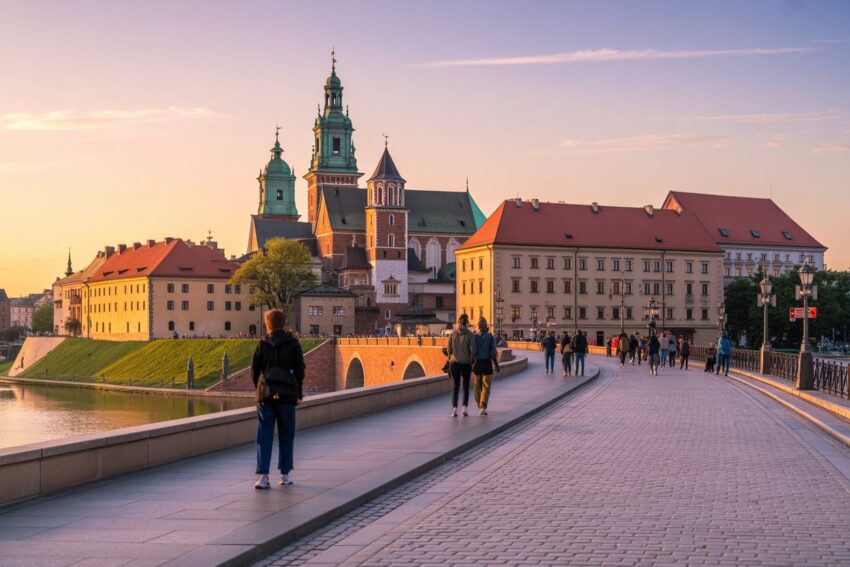
Amsterdam, known for its picturesque canals and vibrant nightlife, has implemented a comprehensive set of regulations aimed at controlling the growth of short-term rentals. As part of its crackdown, Amsterdam has introduced a registration requirement for property owners and imposed a strict night cap on the number of days a property can be rented out. Currently, the city limits short-term rentals to just 30 nights per year.
This tight regulation has significantly reduced the availability of STRs in the city, leading to increased demand and higher prices for both short-term rentals and hotels. For tourists hoping to visit Amsterdam, securing accommodation in advance has become essential. Budget-conscious travelers should be aware that the availability of legal rental options is limited, and they may need to book well in advance to secure an affordable stay.
Austria: Vienna’s Strict Oversight of STRs

Vienna has introduced a national law that imposes a 90-night annual limit on short-term rentals. Hosts are required to obtain special permits to operate their rental properties, and longer stays often require approval from co-owners of the building. These regulations aim to balance the need for tourist accommodation with the availability of housing for local residents.
As a result, the number of short-term rental properties in Vienna is decreasing, and tourists may find it harder to secure a rental in the city. With the reduced supply, demand for legal STRs is pushing prices higher. Travelers to Vienna should be prepared for potentially higher accommodation costs and should book in advance to ensure availability.
Portugal: Lisbon Freezes New STR Licenses
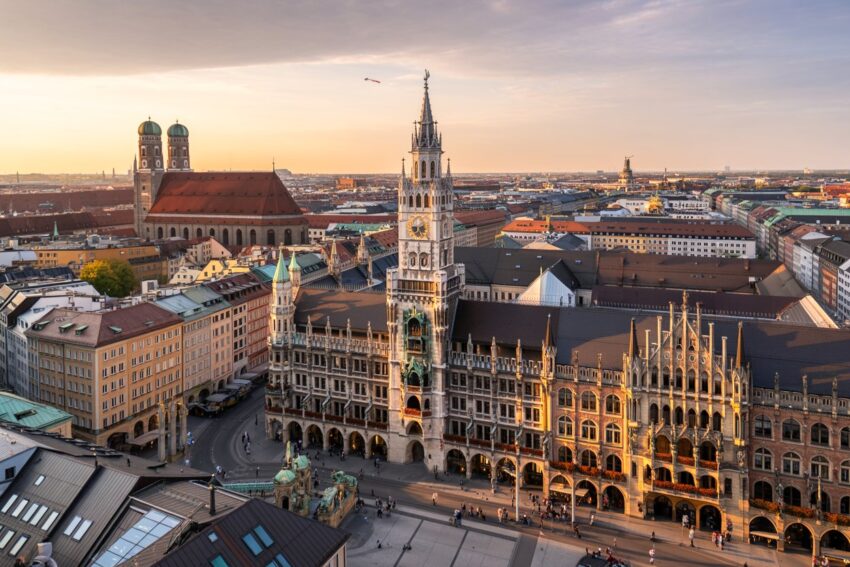
Lisbon, a city famous for its vibrant culture and stunning views, has implemented a freeze on the issuance of new short-term rental licenses in most urban areas. While existing licenses remain valid, they are subject to review every five years. This freeze is part of an effort to address growing concerns about the impact of short-term rentals on Lisbon’s housing market, where an increasing number of properties have been converted into STRs.
As a result of the freeze, tourists will find fewer available rental options in popular areas, and the remaining STRs are likely to be more expensive due to the limited supply. Visitors to Lisbon should plan their accommodations carefully and book as early as possible to secure the best deals.
Greece: Athens Bans New STR Licenses in Central Areas

Athens, known for its ancient history and rich culture, is set to introduce a ban on new short-term rental licenses in its central areas starting in January 2025. This measure is part of a broader effort to address the city’s housing crisis, where short-term rentals have been blamed for driving up rental prices and reducing the availability of housing for local residents.
With fewer short-term rental options available in central Athens, tourists may need to look for accommodation in neighborhoods outside the city center. The city also plans to increase taxes on existing rentals, further impacting prices. As a result, visitors to Athens should expect higher prices for the remaining legal short-term rental options.
Czechia: Prague Prepares for STR Regulation Changes

Prague, one of Europe’s most charming cities, is preparing to implement new regulations for short-term rentals. While the legislation is still being finalized, Prague plans to introduce mandatory registration for STRs and may implement night caps on the number of rental days. These changes are in line with new EU-wide regulations that aim to control the growth of short-term rentals across Europe.
Tourists planning to visit Prague in 2026 should stay informed about these upcoming changes, as they could impact the availability and pricing of short-term rental properties. Given the ongoing changes in regulations, it’s important for travelers to secure their accommodations early to avoid disruptions.
Key Regulatory Trends Across Europe: What’s Driving the Change?
Several key trends are emerging as cities across Europe clamp down on short-term rentals. The growing concerns over housing shortages and the impact of tourism on local communities are driving these changes. Here are some of the most notable trends:
1. Annual Night Caps: A growing number of cities, including London, Vienna, and Amsterdam, are introducing annual night caps on short-term rentals. These caps typically range from 30 to 90 nights per year and are designed to prevent residential properties from being overtaken by tourism. This ensures that housing remains available for local residents, while still accommodating the tourism industry.
2. Mandatory Registration and Data Sharing: In response to the growing need for oversight, cities across Europe are introducing mandatory registration for short-term rental properties. This is part of new EU-wide regulations that require all STRs to be registered online, providing local authorities with crucial data to enforce rules and crack down on illegal rentals.
3. Zoning and Permit Requirements: Cities are increasingly adopting zoning laws that require special permits for short-term rentals. These permits are typically granted only for properties used for tourism-related purposes, not for residential use. This helps to prevent the commercialization of housing in areas where residents need affordable accommodation.
4. Hefty Fines for Non-Compliance: Cities like Vienna have taken a tough stance by introducing hefty fines for hosts and platforms that violate local STR regulations. Fines can reach up to €50,000 per apartment for non-compliance, ensuring that rental markets remain regulated and that tourism does not undermine the availability of housing.
France and Spain join the Netherlands, Greece, the UK, Italy, Austria, and others in cracking down on short-term rental regulations across Europe to regulate overtourism in 2026, aiming to protect housing and control rising costs.
Conclusion: Navigating Europe’s Evolving STR Landscape
France and Spain’s decision to join the Netherlands, Greece, the UK, Italy, Austria, and others in cracking down on short-term rental regulations across Europe to regulate overtourism in 2026 reflects a broader effort to balance the needs of both residents and tourists. These new measures are crucial for addressing housing shortages, protecting local communities, and controlling rising accommodation costs in popular tourist destinations. While these changes may limit short-term rental options and increase prices for travelers, they are necessary to ensure that tourism does not undermine the availability of affordable housing for locals. Travelers will need to adapt to this evolving landscape by planning ahead, securing accommodations early, and being mindful of the new regulations. Ultimately, these regulatory shifts aim to create a more sustainable travel environment, fostering better relationships between tourists and residents while preserving the character of cities across Europe.
