The UK Health Security Agency has issued alerts across England, warning of a ‘substantial impact on health’
07:09, 02 Jan 2026Updated 07:17, 02 Jan 2026
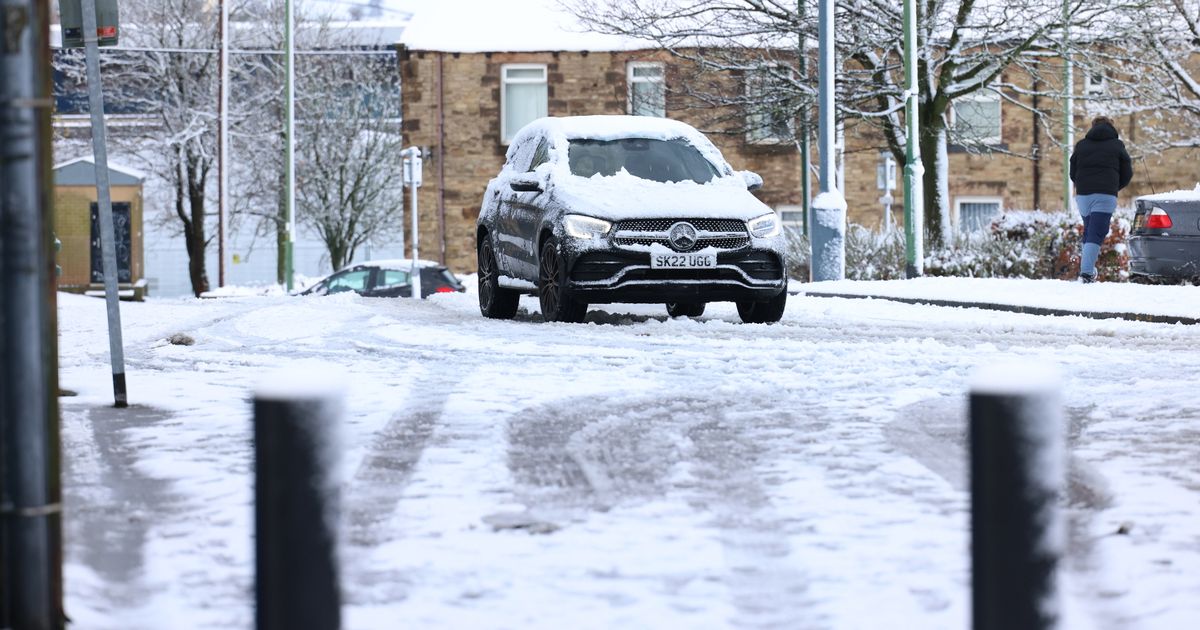
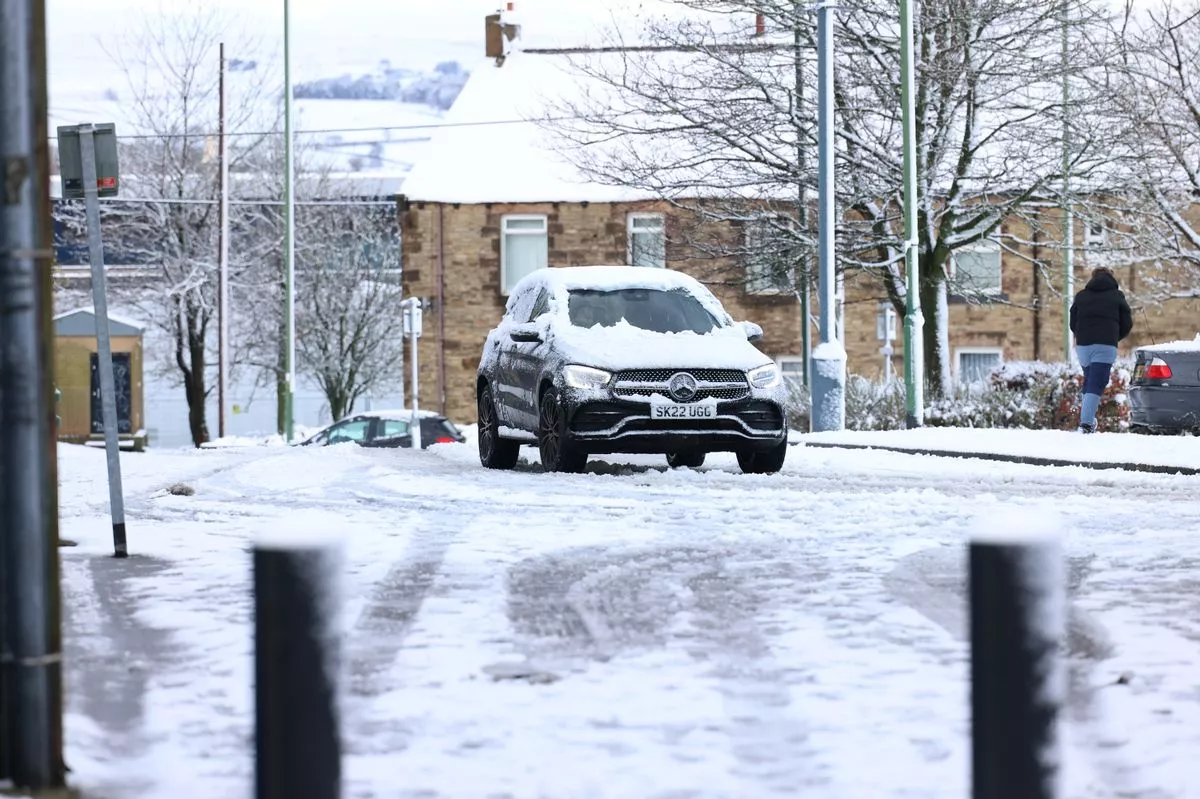 Heavy snow is forecast for the weekend(Image: Craig Connor/ChronicleLive)
The UK is preparing for a bout of snow and ice this weekend, with meteorologists warning there could be significant travel disruption. A warning has been issued for parts of the North East for imminent snow and ice this weekend. The Met Office has issued a Yellow alert for the full 24 hours of Saturday, January 3.
Chilly conditions are set to move southeastwards across England and Wales on Friday, causing widespread interference with transport systems.
Some locations may witness around 2cm of snowfall, whilst elevated areas could see up to 5cm. Motorists in the Highlands and north-east of Scotland have already contended with hazardous conditions on New Year’s Day due to heavy snow, with forecasters predicting blizzard-like conditions to hit on Friday and continue over the weekend.
Amber weather alerts for snow will stay in effect until midday on Saturday, covering areas within a wider yellow weather warning zone. The Met Office has warned that the amber-alert areas in Scotland could face power cuts and vehicles becoming stranded on roads.
Friday could see snow accumulations of up to 20cm on lower ground and potentially as much as 40cm on higher ground. Residents in the affected areas have been advised that the severe winter conditions are likely to persist throughout the weekend, reports the Mirror.
In describing the amber alert, the Met Office explained: “Heavy snow showers will become more frequent and may merge to give longer spells of snow at times.
“The area and period covered by this warning are when the heaviest and most disruptive snow is thought most likely during the current cold spell, with existing yellow warnings covering a wider area and a longer period.”
The forecaster added: “Windy conditions will also result in some drifting of snow and temporary blizzard conditions.”
Police Scotland’s head of road policing, Chief Superintendent Scott McCarren, advised: “Our advice is to plan ahead and consider if your journey is really necessary during the bad weather or if it can be delayed until conditions improve.
“If you need to travel, please drive to the conditions, be prepared for delays and allow extra time for your journey. Please don’t drive through road closures, the decision to close roads is not taken lightly and is done for public safety.”
On Friday, a yellow alert for snow and ice was issued covering substantial portions of England and Wales from midnight through to midday, stretching from Chester and Greater Manchester southwards to London and Kent. Additional yellow alerts have been implemented for Northern Ireland, effective from midnight until 10am on Friday.
The public has been advised to prepare for longer journey times whether travelling by car, bus or rail. The AA has predicted that vehicle journeys could reach 20.7 million nationwide on January 2, after a more subdued New Year’s Day which saw an estimated 18.0 million trips.
A Met Office spokesperson said: “We expect this cold spell to persist into the weekend and on into next week, with further warnings possible as temperatures remain well below average and snow showers continue in places.”
The UK Health Security Agency (UKHSA) has issued warnings throughout England for the start of the year, which will stay in place until 10am on January 6. The UKHSA has indicated this suggests the conditions are “likely” to significantly affect health and social care provision, including a “rise in deaths” especially among those with pre-existing health issues or people aged 65 and over.
Dr Paul Coleman, consultant in health protection at the UKHSA, cautioned: “The weather is forecast to be very cold across England over the coming few days.
“Low temperatures like these can have serious impacts on the health of some people, particularly older people and those with serious health conditions.
“Exposure to cold can lead to increased risk of heart attacks, strokes and chest infections. It is therefore really important, as the colder weather sets in, to check in on friends, family and neighbours that are most vulnerable.”