(Credits: Far Out / Alamy)
Fri 2 January 2026 9:25, UK
It might be preferential for us to imagine that music, and art in general, allows those to succeed who have the most talent in their chosen field. But anybody with an ear to the music industry, or notes that James Cameron’s Avatar is the highest-grossing movie of all time, will tell you that this notion is plainly false.
So much more goes into making a success of yourself in an artistic field than purely talent. For most of the music industry, as well as sounding great, you need to look great, too. It was the case for pop music since its inception, but got kicked up a notch during the 1980s.
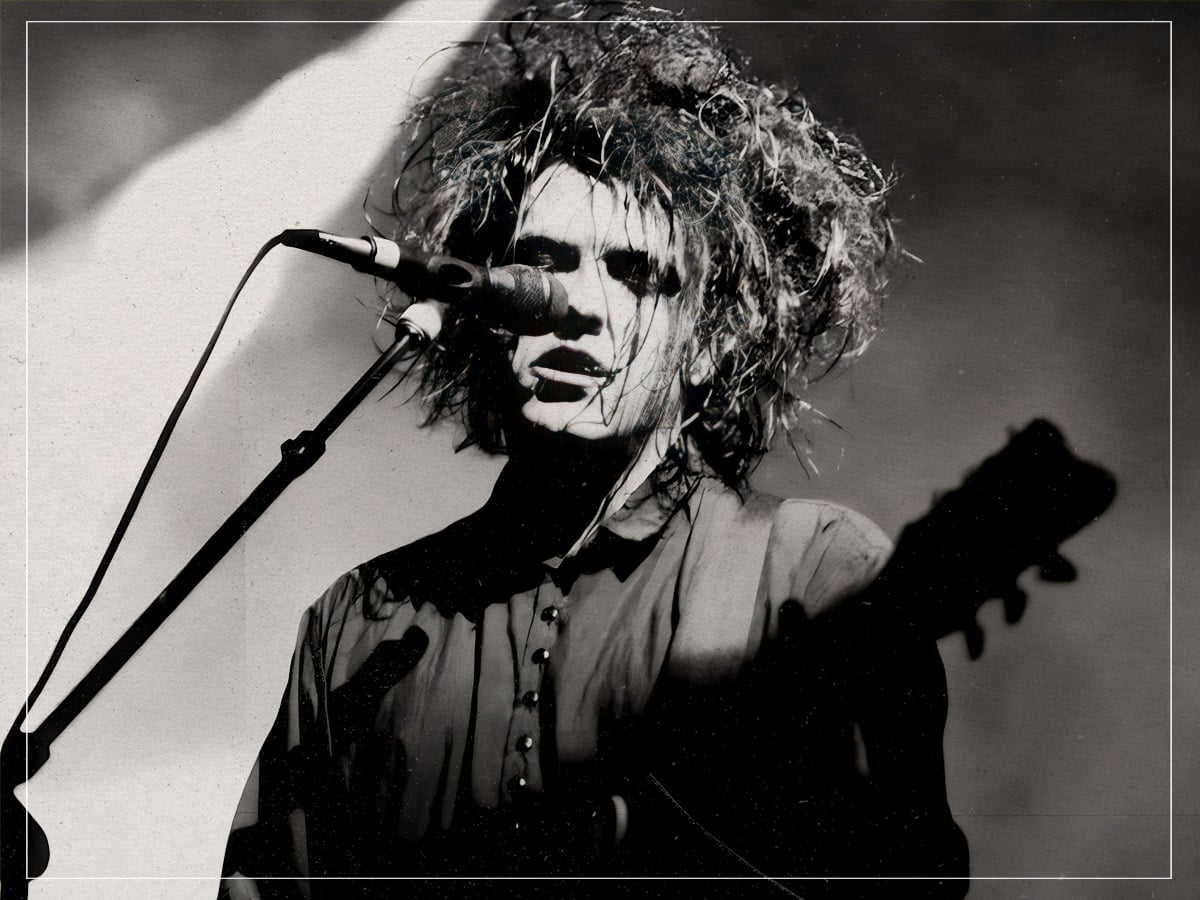
The entire music world was thrown for a loop once MTV took over. Previously, most of the biggest bands in the world earned their success from being played on the radio, but the new era was about being as photogenic as possible and stars strutting their stuff in every video they made. The Cure were firstly about their music rather than aesthetics, but no one could take their eyes off Robert Smith when he started out.
Born and bred in the punk scene, The Cure weren’t intended for the mainstream, but they brought a gothic tinge to rock that had rarely raided the charts. Although the band were never as successful as acts like pop superstar Madonna at the time, the late 1980s were a much different story, paving the way for the alternative movement while nabbing the occasional hit with singles ‘Boys Don’t Cry’ and ‘Just Like Heaven’.
As the musical landscape shifted towards alternative rock in the early ‘90s, Smith was hurt when the band were robbed of the number one spot on the album charts to Def Leppard’s Adrenalize. Commenting in a press conference after its release, Smith branded Leppard as fakes in the media, saying (via Ultimate Classic Rock), “I was ticked off that it wasn’t No. 1. And that’s my method of saying I despise Def Leppard and everything they’ve ever done. I can’t believe how popular Def Leppard are. It sickens me to see them all sitting there in Union Jacks, and yet Joe Elliott adopts that horrible, fake, rock-American accent”.
At the time, Leppard were still riding high of their blockbuster masterpiece Hysteria. Though the band had suffered a loss after guitarist Steve Clark’s tragic death, Smith wasn’t so kind to their new sound, saying to Associated Press: “To the casual listener, they sound exactly like the last album. I try desperately to avoid hearing them. But sitting at a traffic light, through open car windows, you sometimes hear them. I’ll alienate the heavy-metal side of our audience now”.
Outside of the differences in aesthetics, Def Leppard and The Cure had much more in common regarding influences. Whereas Smith was influenced by post-punk during his musical salad days, Leppard were drawn towards the outrageous side of punk, wearing their influences of bands like The Sex Pistols on their sleeve.
Since they both came out at a similar time, The Cure and Def Leppard crossed paths when they were inducted into The Rock and Roll Hall of Fame during the same ceremony back in 2018. Smith was not nearly as cutthroat this time around, and said in his acceptance speech, “In that time, obviously there have been a lot of people who’ve played a part in The Cure story, for better or worse. I would like to thank everyone who’s been in the band”.
In the years since the induction and mudslinging, Leppard has come to appreciate the eclectic side of rock and roll. During the ’00s, their covers album Yeah! Featured a mix of different music from the 70s that they grew up on, from the sounds of Queen, Mott the Hoople, and The Faces to name just a few.
In preparation for their greatest hits album, Leppard even covered one of The Cure’s peers, Depeche Mode, for a version of ‘Personal Jesus’. There might be mutual respect amongst the bands these days, but don’t expect Robert Smith to turn in a cover of ‘Photograph’ any time soon.
Related Topics